
Custom Manufacturing, Project Outsourcing, your Trusted Partner from China
The quest for effective and environmentally sound fire safety solutions has propelled phosphorus-based flame retardants (PFRs) to the forefront of material science. For R&D scientists and product formulators, understanding the intricate mechanisms by which these compounds impart flame retardancy is key to optimizing their use. PFRs are renowned for their dual-action capabilities, influencing both the solid (condensed) phase and the gaseous phase during a fire event.
Condensed-Phase Mechanisms: Building a Protective Shield
The primary mode of action for many phosphorus flame retardants occurs in the condensed phase. When a material containing PFRs is subjected to heat, the phosphorus-containing additive typically undergoes thermal decomposition to form phosphoric acid, polyphosphoric acid, or other acidic species. These acidic compounds act as potent dehydrating agents. They promote the thermal decomposition of the polymer matrix into char, rather than flammable volatile gases. This process is often referred to as charring or carbonization.
For procurement managers looking to buy materials with enhanced fire safety, understanding this char-forming capability is essential for selecting the right PFR for their specific polymer application. The effectiveness of this mechanism is often related to the phosphorus content and the chemical structure of the retardant.
Gas-Phase Mechanisms: Quenching the Flame
In addition to their condensed-phase activity, some phosphorus flame retardants can also exert influence in the gas phase. During combustion, volatile phosphorus-containing species are released into the flame zone. These species can interfere with the radical chain reactions that sustain the flame. Specifically:
These gas-phase actions complement the condensed-phase mechanisms, providing a comprehensive approach to fire suppression. This makes phosphorus flame retardants a versatile and highly effective choice for a wide range of applications.
Synergistic Effects and Supplier Expertise
The efficacy of PFRs can often be enhanced when used in combination with other flame retardant systems, such as nitrogen-based compounds or inorganic fillers. These synergistic effects allow for lower overall additive loadings while achieving superior fire performance. For businesses looking to optimize their formulations, partnering with a knowledgeable phosphorus flame retardant manufacturer and supplier is invaluable. Such partners can provide insights into the best PFRs for specific polymers, explain their complex mechanisms, and offer competitive pricing for bulk purchases.
By understanding these fundamental flame retardant mechanisms, R&D professionals and procurement specialists can make informed decisions, ensuring they purchase PFRs that deliver optimal fire safety, environmental compliance, and cost-effectiveness for their products.
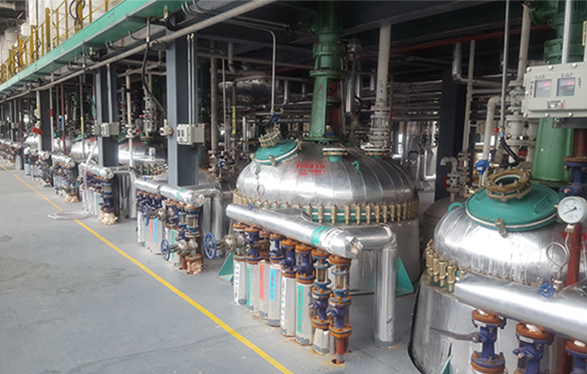
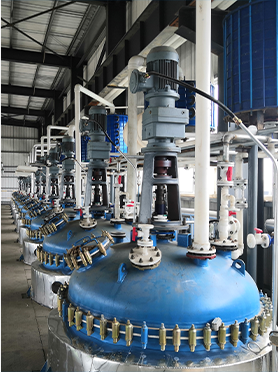
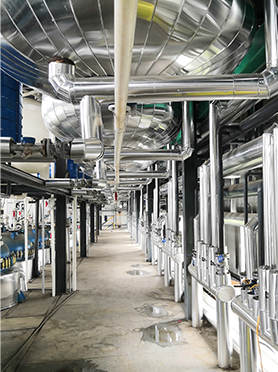
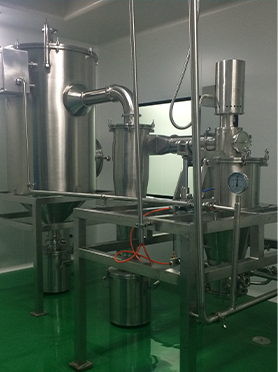
Manufacturing Facilities
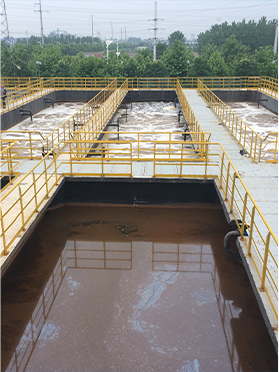
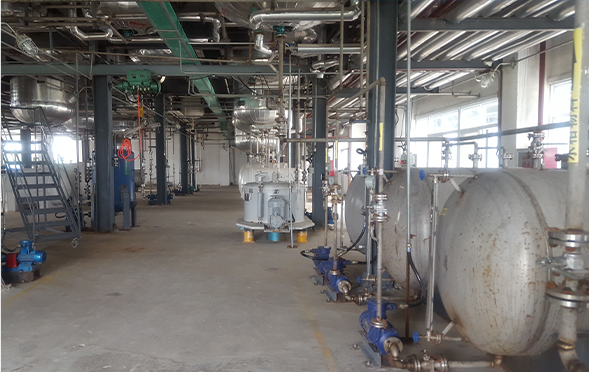
Professional Export Experience
to Global Customers
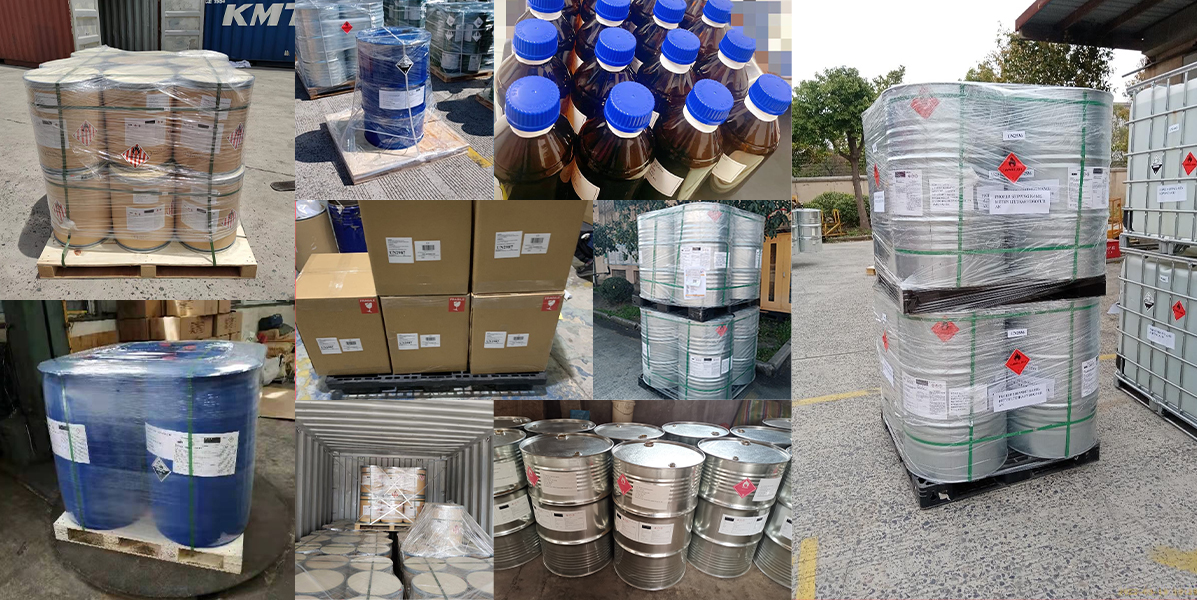
1. 20 years of R&D, manufacturing and sales experience, serving customers in 60 countries and regions around the world;
2. Own R&D laboratory, pilot platform and large-scale production workshop, which can meet the audit requirements of global customers;
3. We can satisfy customers' perfect transition from small scale lab requirements (gram level) to commercialization requirements (hundred tons level).
A: We don't have Minimum Order Quantity, exact quantity should be provided before quotation for us to calculate the exact cost.
A: We don't provide free samples due to lots of request and expensive international courier's cost, we can deduct the sample charge after commercial order placed.
A: Our payment terms: Small or sample order: T/T IN ADVANCE. Commercial order: First order should be by T/T IN ADVANCE or L/C at sight, and following orders T/T 30~90days is acceptable subject to approval of credit application.