
Custom Manufacturing, Project Outsourcing, your Trusted Partner from China
For chemists engaged in cutting-edge research or industrial-scale production, a thorough understanding of the synthesis and safe handling of key chemical intermediates is indispensable. (4-Bromophenyl)trimethylsilane (CAS 6999-03-7) is one such compound, offering a unique combination of functionalities that make it highly valuable. This article explores its common synthesis routes and essential safety precautions for its use.
Synthesis Pathways for (4-Bromophenyl)trimethylsilane
The synthesis of (4-Bromophenyl)trimethylsilane (CAS 6999-03-7) typically involves the functionalization of readily available starting materials. One prevalent method utilizes 1,4-dibromobenzene as a precursor. Through a process involving organometallic reagents, such as n-butyllithium, to selectively lithiate one of the bromine positions, followed by reaction with trimethylchlorosilane, the desired TMS-substituted product can be formed. This reaction is often carried out at very low temperatures (e.g., -78°C) in ethereal solvents to control selectivity and yield. Researchers looking to buy or manufacture this compound will find that understanding these synthesis methods helps in evaluating the quality and potential impurities.
Another approach might involve silylating a brominated aromatic precursor. Regardless of the specific route, the goal is to achieve high purity of the final product, typically above 97%, which is crucial for its downstream applications in pharmaceuticals, agrochemicals, and advanced materials. Manufacturers specializing in fine chemicals often have optimized processes to ensure high yields and minimal byproducts.
Safety Precautions and Handling Guidelines
Like many organic chemicals, (4-Bromophenyl)trimethylsilane requires careful handling to ensure safety. Based on available safety data, it is typically classified with a GHS07 signal word, indicating potential hazards. Common hazard statements include H315 (Causes skin irritation) and H319 (Causes serious eye irritation). Therefore, when working with this compound, it is imperative to wear appropriate personal protective equipment (PPE), including chemical-resistant gloves, safety goggles, and lab coats. Work should ideally be conducted in a well-ventilated area or a fume hood to minimize inhalation of vapors.
Precautionary statements such as P264 (Wash hands thoroughly after handling), P280 (Wear protective gloves/protective clothing/eye protection/face protection), and P305+P351+P338 (IF IN EYES: Rinse cautiously with water for several minutes. Remove contact lenses, if present and easy to do. Continue rinsing) should be strictly followed. In case of skin contact, immediate washing with soap and water is recommended. Proper storage, usually in a sealed container at room temperature and protected from moisture, is also vital for maintaining product integrity and safety.
Inquiry and Procurement Tips
When inquiring about (4-Bromophenyl)trimethylsilane from manufacturers or suppliers, it's advisable to request the Material Safety Data Sheet (MSDS) or Safety Data Sheet (SDS). This document provides comprehensive information on hazards, first-aid measures, firefighting procedures, and safe handling and storage. Understanding these details will empower users to work with the chemical safely and efficiently. For those looking to buy this product, specifying 'CAS 6999-03-7' ensures accurate identification. Companies seeking a reliable supplier should look for those that clearly communicate safety information and provide accessible SDS.
In summary, a firm grasp of the synthesis methods and stringent adherence to safety protocols are fundamental when working with (4-Bromophenyl)trimethylsilane (CAS 6999-03-7). By prioritizing safety and understanding the chemical's properties, users can maximize its potential in their research and industrial applications.
Manufacturing Facilities
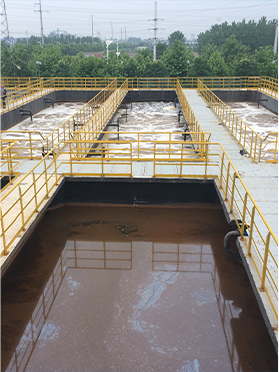
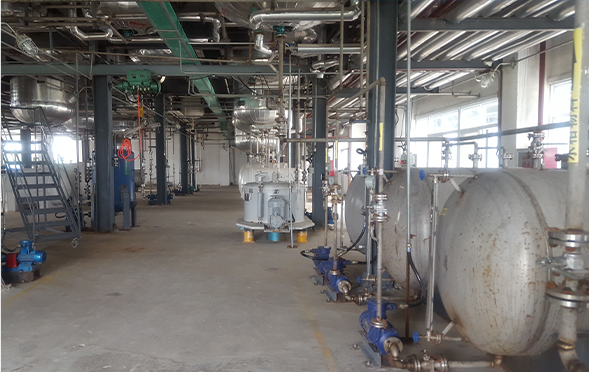
Professional Export Experience
to Global Customers
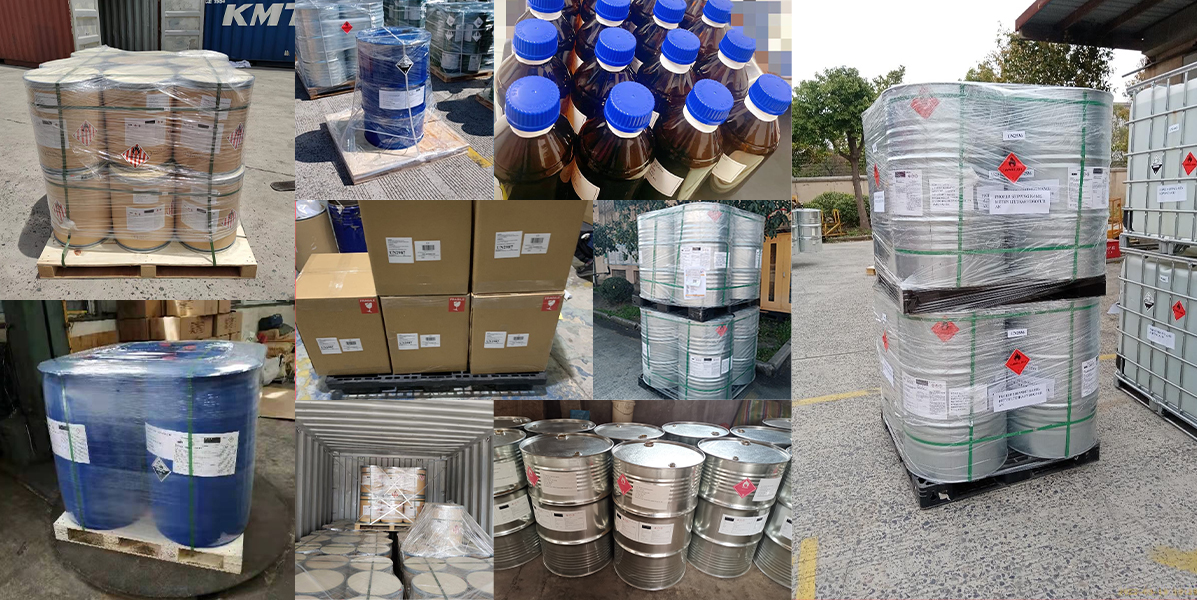
1. 20 years of R&D, manufacturing and sales experience, serving customers in 60 countries and regions around the world;
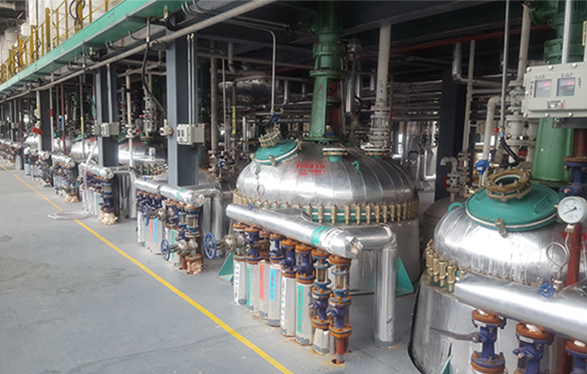
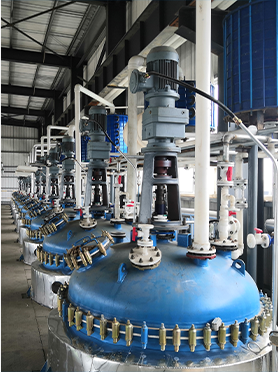
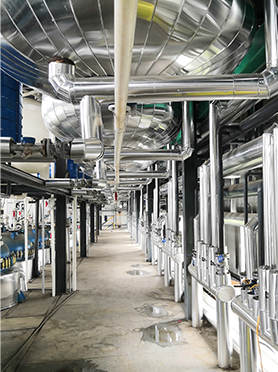
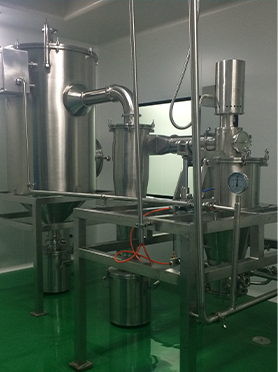
2. Own R&D laboratory, pilot platform and large-scale production workshop, which can meet the audit requirements of global customers;
3. We can satisfy customers' perfect transition from small scale lab requirements (gram level) to commercialization requirements (hundred tons level).
A: We don't have Minimum Order Quantity, exact quantity should be provided before quotation for us to calculate the exact cost.
A: We don't provide free samples due to lots of request and expensive international courier's cost, we can deduct the sample charge after commercial order placed.
A: Our payment terms: Small or sample order: T/T IN ADVANCE. Commercial order: First order should be by T/T IN ADVANCE or L/C at sight, and following orders T/T 30~90days is acceptable subject to approval of credit application.