
Custom Manufacturing, Project Outsourcing, your Trusted Partner from China
For professionals in the chemical and materials industries, a deep understanding of product specifications is paramount for successful application and procurement. Triethyl Phosphate (TEP), a widely used chemical with CAS number 78-40-0, is no exception. Whether it's being utilized for its flame-retardant properties, as a plasticizer, or in chemical synthesis, the detailed specifications of TEP directly influence its performance and suitability for a given task. This article delves into the key specifications of TEP, highlighting why they are crucial for industrial users, and guides you on how to source from quality manufacturers and suppliers.
The most immediate characteristic of Triethyl Phosphate is its appearance: an achromatic transparent liquid. This visual cue is the first indicator of product quality, suggesting purity and the absence of significant solid contaminants or discoloration. Deviations from this standard appearance might warrant further investigation into the product's handling and storage history.
Central to TEP's efficacy is its assay or purity. Typically, industrial-grade TEP is specified with an assay of 99.5% or higher. This high purity ensures that the intended chemical reactions or material modifications occur as expected, without interference from impurities. For demanding applications, such as in pharmaceuticals or specialized polymer formulations, even higher purity grades might be sought. When you buy TEP, always confirm the assay specification from your chosen supplier.
Beyond assay, several other quality indicators are critical:
Understanding the physical and chemical nature of TEP is also vital for safe handling and effective application:
These specifications are not merely technical data; they are the benchmarks that ensure TEP will perform as expected in its role as a flame retardant, plasticizer, or chemical intermediate. When you are ready to purchase TEP, engage with manufacturers and suppliers who provide detailed specification sheets and can offer technical support. Comparing prices and lead times from different sources will also be essential for your procurement strategy.
In conclusion, a thorough understanding of Triethyl Phosphate's specifications—from its appearance and assay to its key physical properties—is indispensable for industrial users. By prioritizing these details and sourcing from reputable providers, you can ensure you obtain TEP that meets your exact requirements, leading to optimized product performance and manufacturing efficiency. Always request a comprehensive quote to make an informed purchasing decision.
Manufacturing Facilities
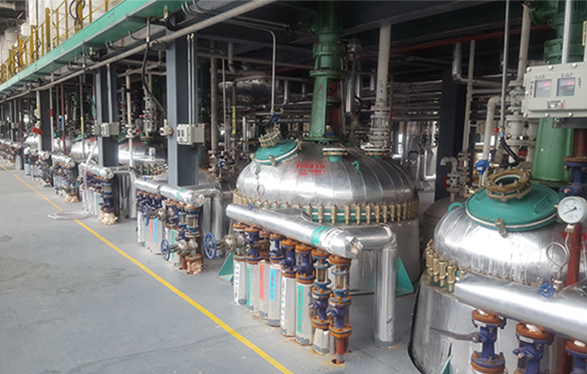
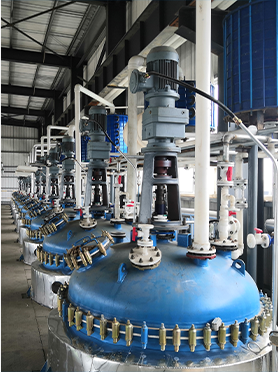
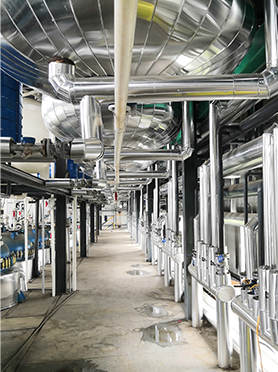
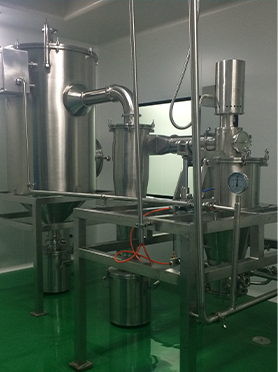
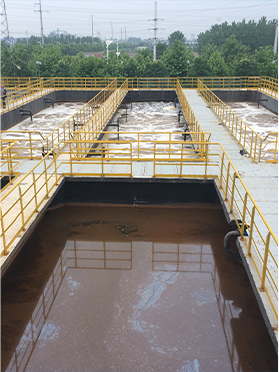
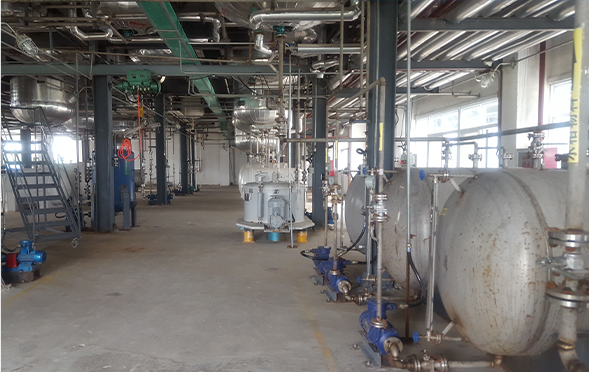
Professional Export Experience
to Global Customers
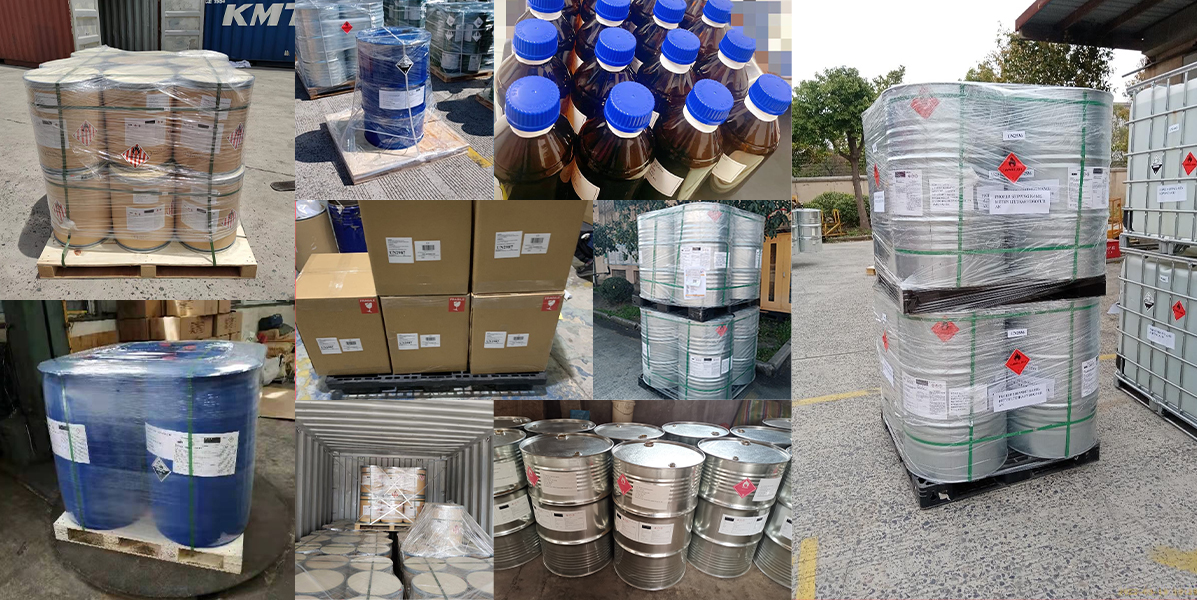
1. 20 years of R&D, manufacturing and sales experience, serving customers in 60 countries and regions around the world;
2. Own R&D laboratory, pilot platform and large-scale production workshop, which can meet the audit requirements of global customers;
3. We can satisfy customers' perfect transition from small scale lab requirements (gram level) to commercialization requirements (hundred tons level).
A: We don't have Minimum Order Quantity, exact quantity should be provided before quotation for us to calculate the exact cost.
A: We don't provide free samples due to lots of request and expensive international courier's cost, we can deduct the sample charge after commercial order placed.
A: Our payment terms: Small or sample order: T/T IN ADVANCE. Commercial order: First order should be by T/T IN ADVANCE or L/C at sight, and following orders T/T 30~90days is acceptable subject to approval of credit application.