
Custom Manufacturing, Project Outsourcing, your Trusted Partner from China
Valeric acid, also recognized as pentanoic acid and identified by CAS number 109-52-4, is a saturated fatty acid with a five-carbon chain. This organic compound is a clear, colorless liquid, known for its characteristic pungent odor, which is somewhat unpleasant in its pure state but transforms into agreeable fruity notes when esterified. Understanding its fundamental properties is crucial for professionals in the chemical, flavor, and fragrance industries who seek to procure this versatile C5 carboxylic acid.
Industrially, valeric acid is primarily synthesized through the oxo process. This method involves the hydroformylation of 1-butene with syngas (a mixture of carbon monoxide and hydrogen) to produce valeraldehyde, which is subsequently oxidized to yield valeric acid. Alternative, more sustainable routes, such as those involving biomass-derived sugars via levulinic acid, are also gaining traction, reflecting a growing interest in bio-based chemical production. For businesses looking to buy valeric acid, understanding these production methods can shed light on potential cost variations and product nuances. Manufacturers play a vital role in ensuring the consistent quality and availability of this essential chemical feedstock.
The applications of valeric acid are diverse and significant. In the flavor and fragrance industry, its esters, such as ethyl valerate and amyl valerate, are widely employed due to their pleasant fruity and floral aromas, making them key ingredients in perfumes, cosmetics, and food flavorings. Beyond sensory applications, valeric acid serves as a critical intermediate in the synthesis of various fine chemicals, including pharmaceuticals and pesticides. Its chemical structure makes it an effective building block for complex organic molecules, underlining its importance for chemical synthesis operations.
When procuring valeric acid, buyers often seek specific purity grades. Pharmaceutical intermediates might require higher purity levels compared to certain industrial synthesis applications. Identifying reliable manufacturers and suppliers in China, for instance, can offer a strategic advantage in terms of both cost and supply chain efficiency. Engaging with suppliers who can provide comprehensive technical data, such as detailed chemical and physical properties, and a clear understanding of their manufacturing capabilities, is essential for making informed purchasing decisions. Whether you are a researcher exploring new applications or a procurement manager ensuring supply chain stability, reliable sourcing of valeric acid is paramount.
In summary, valeric acid is a foundational chemical with a wide range of industrial uses, from imparting desirable aromas and flavors to serving as a critical intermediate in chemical synthesis. Its production methods and inherent properties make it a valuable commodity. For any company looking to purchase valeric acid, partnering with reputable manufacturers and suppliers ensures access to this essential C5 carboxylic acid, supporting innovation and operational success.
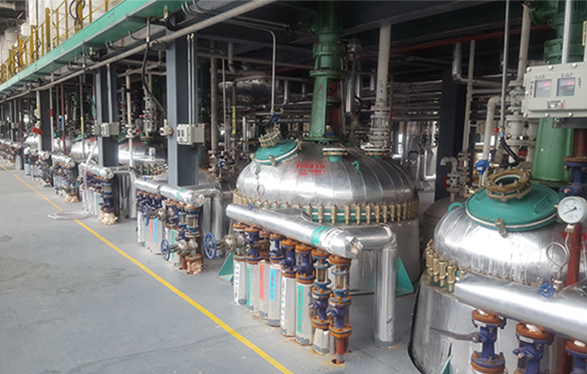
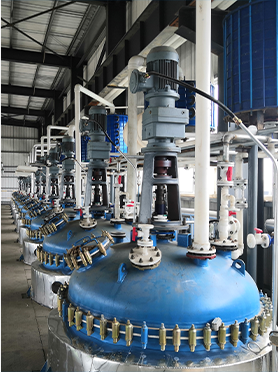
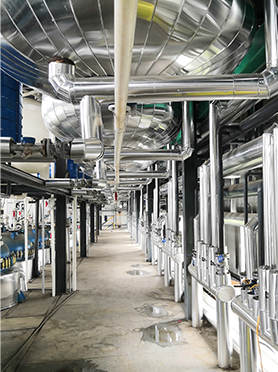
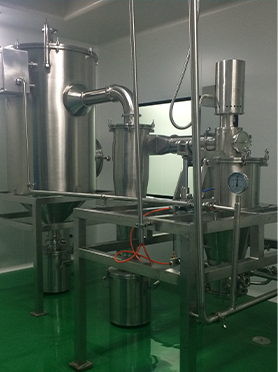
Manufacturing Facilities
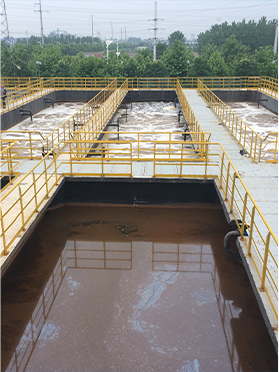
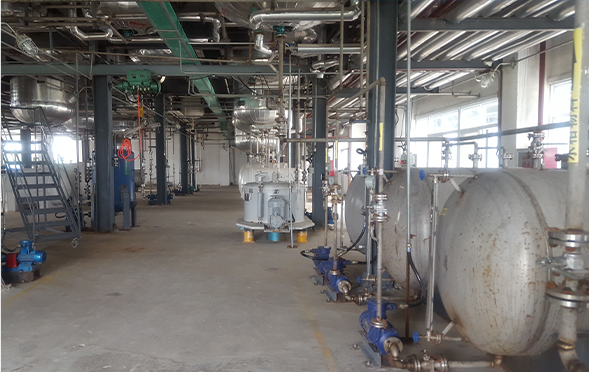
Professional Export Experience
to Global Customers
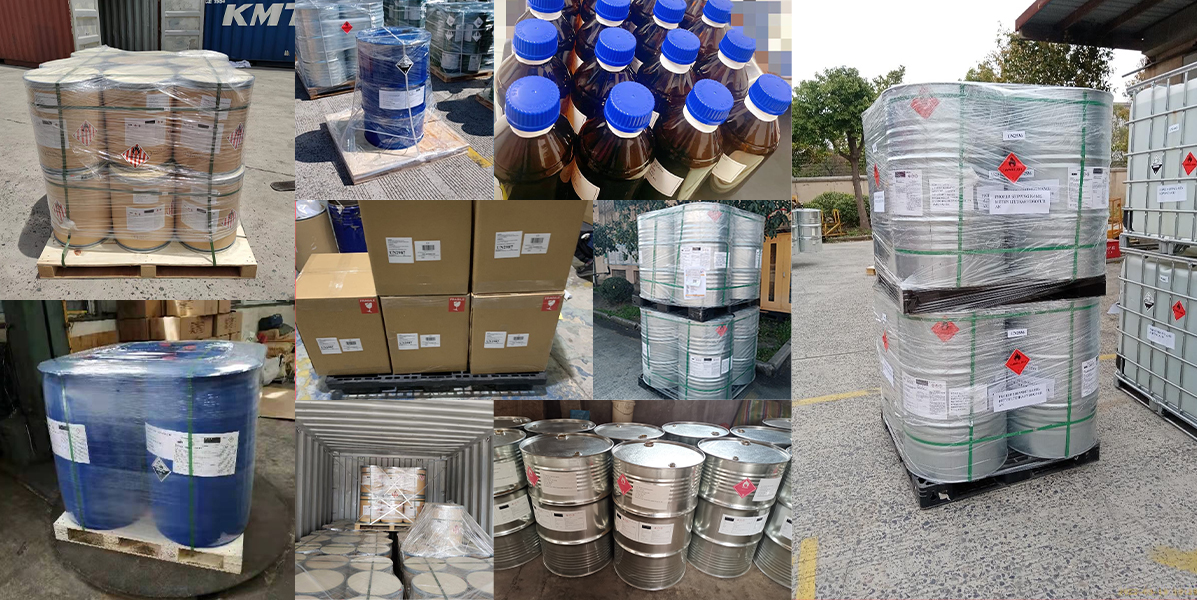
1. 20 years of R&D, manufacturing and sales experience, serving customers in 60 countries and regions around the world;
2. Own R&D laboratory, pilot platform and large-scale production workshop, which can meet the audit requirements of global customers;
3. We can satisfy customers' perfect transition from small scale lab requirements (gram level) to commercialization requirements (hundred tons level).
A: We don't have Minimum Order Quantity, exact quantity should be provided before quotation for us to calculate the exact cost.
A: We don't provide free samples due to lots of request and expensive international courier's cost, we can deduct the sample charge after commercial order placed.
A: Our payment terms: Small or sample order: T/T IN ADVANCE. Commercial order: First order should be by T/T IN ADVANCE or L/C at sight, and following orders T/T 30~90days is acceptable subject to approval of credit application.