
Custom Manufacturing, Project Outsourcing, your Trusted Partner from China
Zinc Stearate is a ubiquitous compound in modern industrial chemistry, valued for its diverse functionalities across numerous sectors. As a crucial additive, understanding its properties, production methods, and primary applications is essential for professionals in formulation, manufacturing, and procurement.
Physically, Zinc Stearate is typically observed as a fine, white, powdery substance. It has a characteristic soapy feel and is insoluble in water and ethanol, but soluble in hot organic solvents and acids. Its density is approximately 1.095 g/cm³, and it melts around 118-125°C. The chemical formula is C36H70O4Zn, and its CAS number is 557-05-1. This combination of physical and chemical attributes dictates its behavior and efficacy in various applications.
The production of Zinc Stearate generally involves two main methods: the water (or wet) method and the melting (or dry) method. The water method uses water as a medium, often involving metal hydroxides and stearic acid under controlled temperature and pressure, followed by separation and drying. The melting method directly reacts metal oxides, such as zinc oxide, with molten stearic acid in the presence of a catalyst. Both methods aim to yield a high-purity product. For those seeking to procure this chemical, understanding these production nuances can inform purchasing decisions, especially when looking for a specific grade from a zinc stearate manufacturer China.
The applications of Zinc Stearate are remarkably extensive. In the plastics industry, it functions as an excellent internal and external lubricant and a release agent, facilitating easier processing and improving surface finish. For rubber, it acts as a release agent and can improve vulcanization characteristics. The coatings and paints sector benefits from its use as a matting agent, water repellent, and dispersion aid, enhancing durability and application properties. Manufacturers often look for a competitive zinc stearate price when sourcing for these large-volume applications.
Beyond these core areas, Zinc Stearate finds use in inks, paper manufacturing (for water resistance and smoothness), cosmetics (as a lubricant), and even in some pharmaceutical formulations as a processing aid. Its versatility is a testament to its adaptable properties. When sourcing, a reliable cas 557-05-1 supplier is crucial for ensuring consistent quality, whether you are buying small quantities or exploring wholesale zinc stearate powder options.
In summary, Zinc Stearate is a foundational chemical additive characterized by its fine powder form, lubricating capabilities, thermal stability, and water-repellent properties. Its efficient production and broad applicability make it an indispensable material for a wide array of industrial processes and products. Understanding these fundamental aspects empowers users to leverage its benefits effectively and source it strategically.
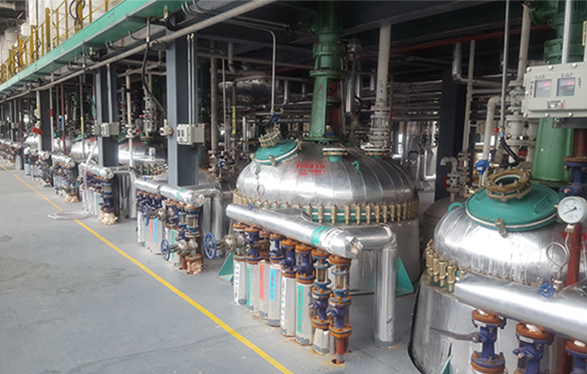
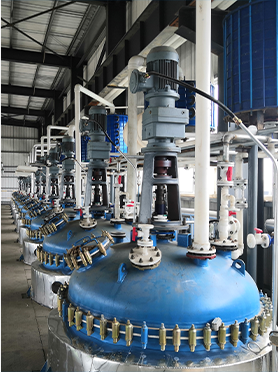
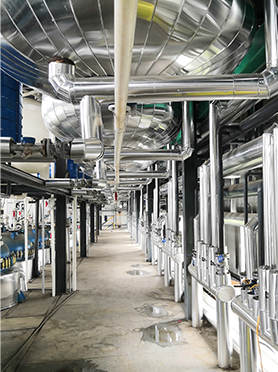
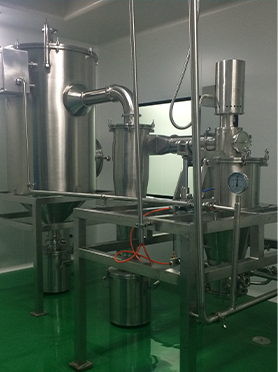
Manufacturing Facilities
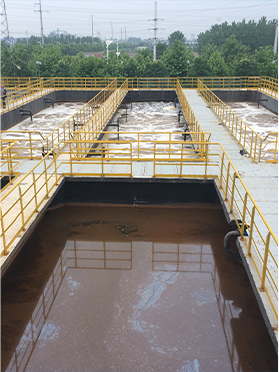
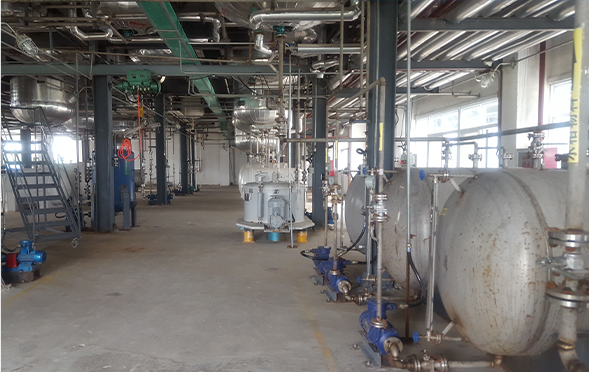
Professional Export Experience
to Global Customers
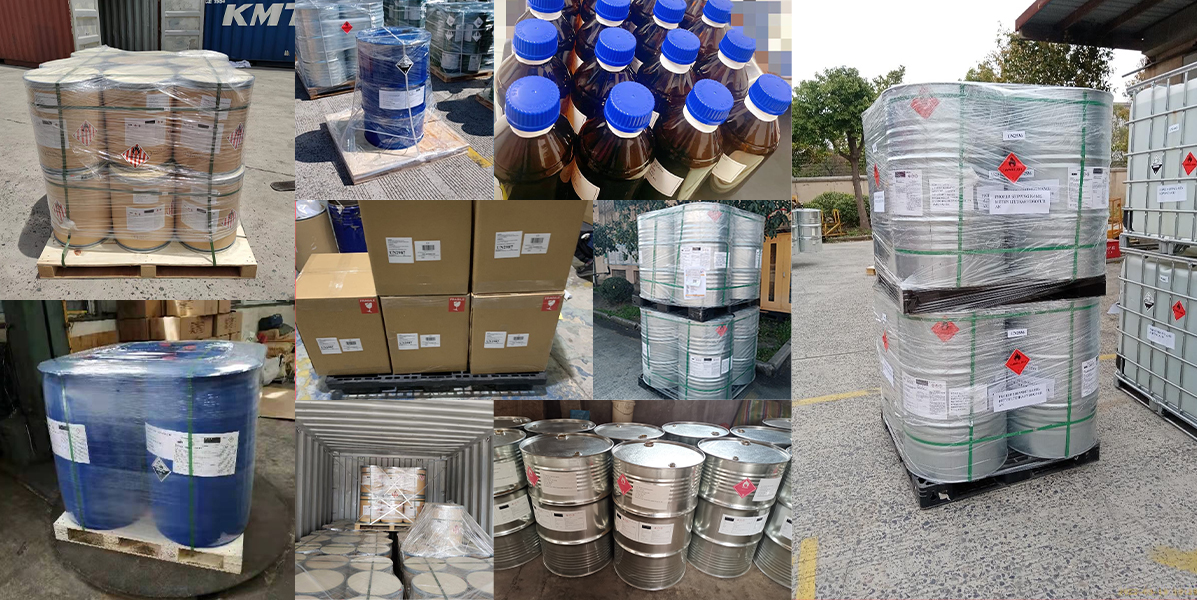
1. 20 years of R&D, manufacturing and sales experience, serving customers in 60 countries and regions around the world;
2. Own R&D laboratory, pilot platform and large-scale production workshop, which can meet the audit requirements of global customers;
3. We can satisfy customers' perfect transition from small scale lab requirements (gram level) to commercialization requirements (hundred tons level).
A: We don't have Minimum Order Quantity, exact quantity should be provided before quotation for us to calculate the exact cost.
A: We don't provide free samples due to lots of request and expensive international courier's cost, we can deduct the sample charge after commercial order placed.
A: Our payment terms: Small or sample order: T/T IN ADVANCE. Commercial order: First order should be by T/T IN ADVANCE or L/C at sight, and following orders T/T 30~90days is acceptable subject to approval of credit application.