
Custom Manufacturing, Project Outsourcing, your Trusted Partner from China
In many applications, the long-term aesthetic appeal and performance of UV-cured materials are as critical as the initial curing speed. One of the most common degradation issues is yellowing, which occurs when cured polymers are exposed to UV light or heat over time. This phenomenon can be particularly problematic in white or clear coatings. Fortunately, the selection of an appropriate photoinitiator can significantly mitigate this issue. Phenylbis(2,4,6-trimethylbenzoyl)phosphine oxide (CAS 162881-26-7) is recognized for its excellent resistance to UV-induced yellowing, a key reason why manufacturers choose to buy it from reliable suppliers like us.
Understanding UV Yellowing in Cured Polymers
UV yellowing is typically a result of photochemical degradation within the polymer matrix. When exposed to UV radiation, residual photoinitiator fragments or certain structural components within the cured polymer can undergo further reactions. These reactions can lead to the formation of chromophores – molecular structures that absorb visible light and thus appear colored, often yellow. Factors influencing yellowing include the type of photoinitiator used, its concentration, the presence of other additives, and the intensity and duration of UV exposure.
Phenylbis(2,4,6-trimethylbenzoyl)phosphine oxide: Combating Yellowing
Phenylbis(2,4,6-trimethylbenzoyl)phosphine oxide is a bis-acylphosphine oxide photoinitiator that offers a significant advantage in terms of color stability. Its molecular design results in fragmentation products that are less prone to causing yellowing compared to many other classes of photoinitiators. While most photoinitiators are consumed during the curing process, trace amounts of highly reactive byproducts can remain. The decomposition products of Phenylbis(2,4,6-trimethylbenzoyl)phosphine oxide are generally considered more photostable and less chromogenic, meaning they do not readily absorb visible light and cause discoloration.
The benefits of using this photoinitiator for UV yellowing resistance include:
Applications Benefiting from UV Yellowing Resistance
Industries where long-term color stability is crucial often rely on photoinitiators like Phenylbis(2,4,6-trimethylbenzoyl)phosphine oxide. If your manufacturing involves:
…then investing in a photoinitiator that provides excellent UV yellowing resistance is a wise choice.
Source Your High-Quality Photoinitiator
As a leading manufacturer and supplier of specialized chemicals in China, we understand the importance of material quality and performance. If your goal is to achieve durable, aesthetically pleasing UV-cured products with excellent resistance to yellowing, Phenylbis(2,4,6-trimethylbenzoyl)phosphine oxide is an optimal choice. We encourage you to contact us for a competitive quote and to learn how our reliable supply can support your production needs. Ensure your products stand the test of time with superior photoinitiator technology.
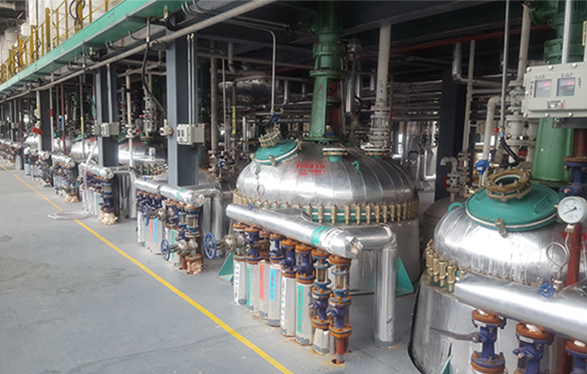
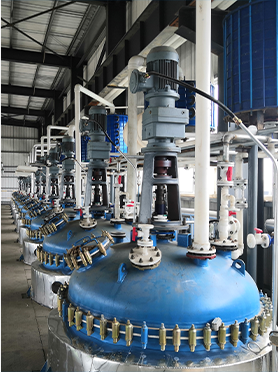
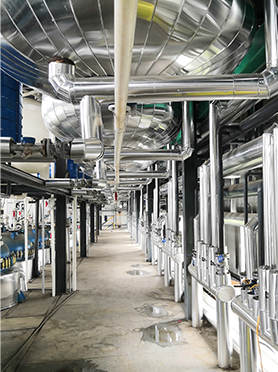
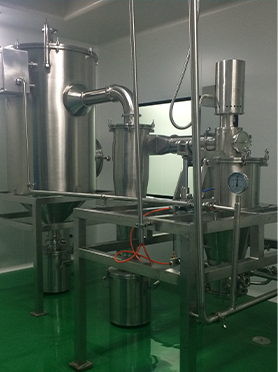
Manufacturing Facilities
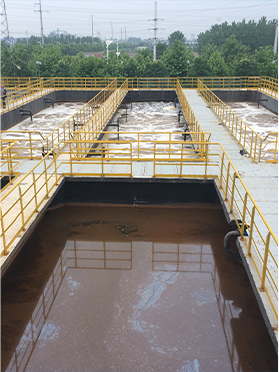
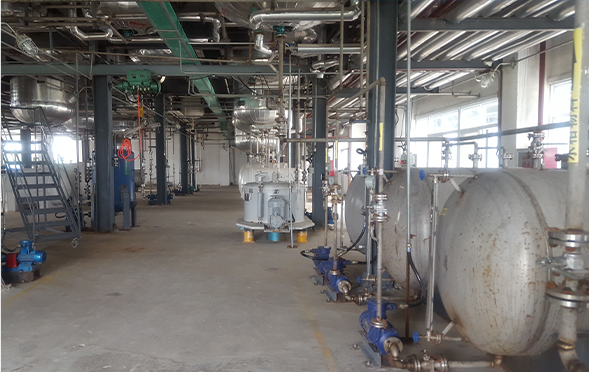
Professional Export Experience
to Global Customers
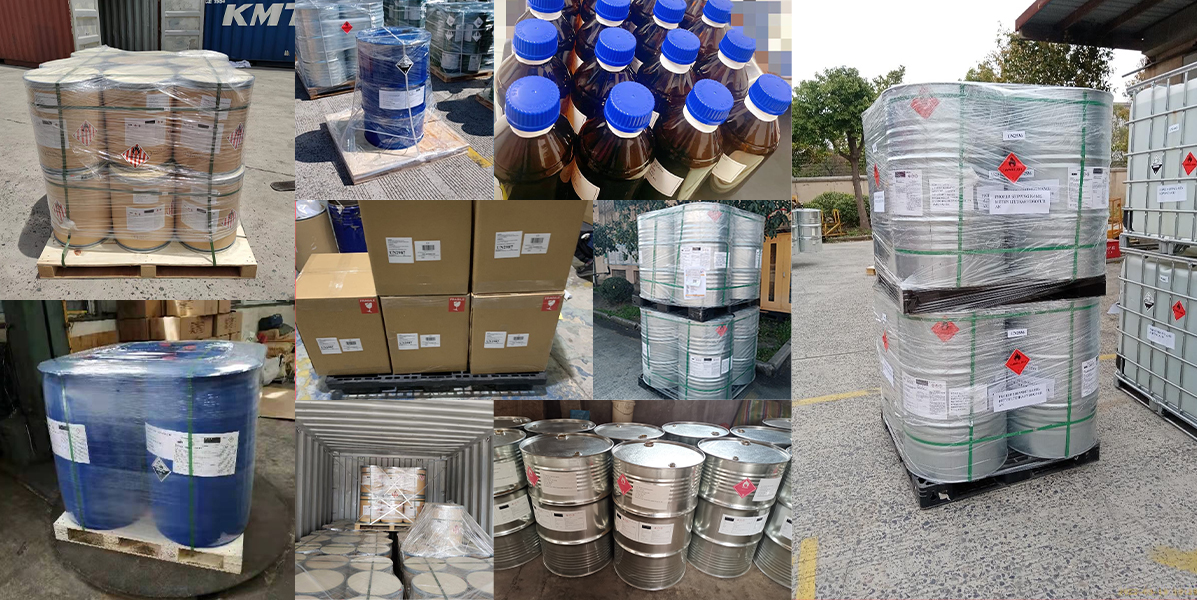
1. 20 years of R&D, manufacturing and sales experience, serving customers in 60 countries and regions around the world;
2. Own R&D laboratory, pilot platform and large-scale production workshop, which can meet the audit requirements of global customers;
3. We can satisfy customers' perfect transition from small scale lab requirements (gram level) to commercialization requirements (hundred tons level).
A: We don't have Minimum Order Quantity, exact quantity should be provided before quotation for us to calculate the exact cost.
A: We don't provide free samples due to lots of request and expensive international courier's cost, we can deduct the sample charge after commercial order placed.
A: Our payment terms: Small or sample order: T/T IN ADVANCE. Commercial order: First order should be by T/T IN ADVANCE or L/C at sight, and following orders T/T 30~90days is acceptable subject to approval of credit application.