
Custom Manufacturing, Project Outsourcing, your Trusted Partner from China
Vanillin, the principal aromatic compound of vanilla beans, is recognized globally by its CAS number 121-33-5. While naturally extracted vanillin is prized, its scarcity and high cost have led to the dominance of synthetic production methods. Understanding these diverse production pathways, from traditional lignin and guaiacol-based synthesis to modern biosynthetic approaches, is crucial for B2B buyers seeking a reliable supply of this key fine chemical. China, as a global leader in chemical manufacturing, offers significant advantages in sourcing Vanillin produced through these varied methods.
Traditional Synthesis Routes: Lignin and Guaiacol
Historically, Vanillin production relied heavily on lignin, a byproduct of the wood pulping industry. The process involves the alkaline oxidation of lignosulfonates, often from softwood, at high temperatures and pressures. This method, while utilizing waste materials, can yield Vanillin with a complex flavor profile due to the presence of trace aromatic impurities. Companies that specialize in this process offer a product with unique characteristics.
Another significant synthetic route starts with guaiacol, a derivative of petrochemicals. The most common guaiacol-based synthesis involves reacting it with glyoxylic acid, followed by oxidation and decarboxylation. This method is highly efficient and yields pure Vanillin, making it a preferred choice for many manufacturers. Many leading vanillin manufacturers in China utilize this advanced petrochemical route for consistent quality and large-scale production.
Emerging Biosynthetic Pathways
In response to growing demand for naturally derived ingredients and sustainable practices, biosynthetic production of Vanillin has gained traction. This approach utilizes microorganisms or enzymes to convert precursor molecules like ferulic acid (found in rice bran) or eugenol (from clove oil) into Vanillin. While offering a 'natural' label, these methods can sometimes be more costly and may not yet match the scale of synthetic production. However, for specific market segments, biosynthetic Vanillin is a key consideration.
Sourcing Vanillin from China: Advantages for B2B Buyers
Chinese chemical manufacturers are at the forefront of Vanillin production, utilizing various synthesis routes, with a strong emphasis on guaiacol-based methods due to their efficiency and purity. When you choose to buy Vanillin from China, you benefit from:
As a dedicated vanillin supplier, we are committed to providing high-quality Vanillin sourced from state-of-the-art production facilities. Whether you require Vanillin produced via guaiacol synthesis or other advanced methods, we ensure product integrity and a dependable supply chain.
In essence, the production of Vanillin (CAS 121-33-5) is a testament to chemical innovation. By understanding the different production routes and leveraging the capabilities of experienced manufacturers, B2B buyers can secure a high-quality and cost-effective supply of this essential chemical. Partner with us to source your Vanillin requirements with confidence.
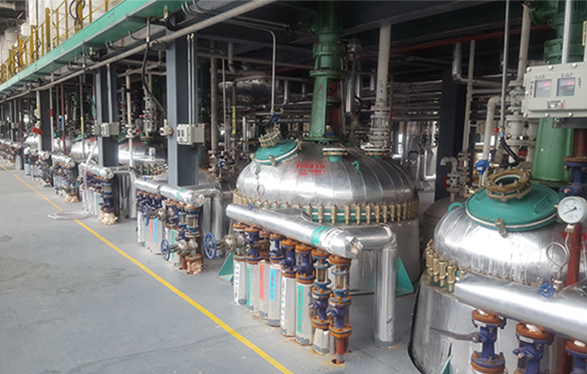
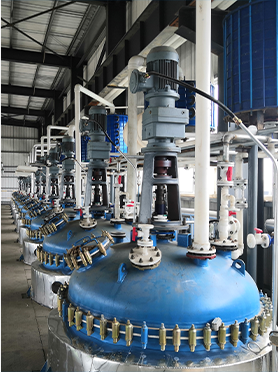
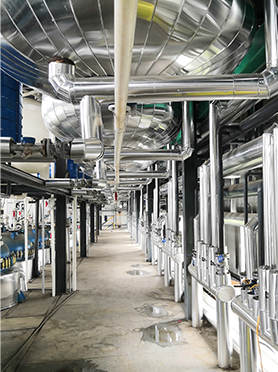
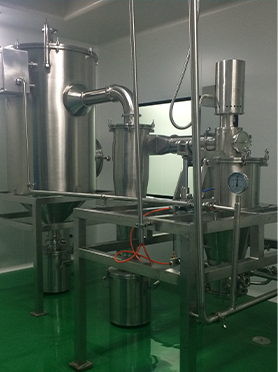
Manufacturing Facilities
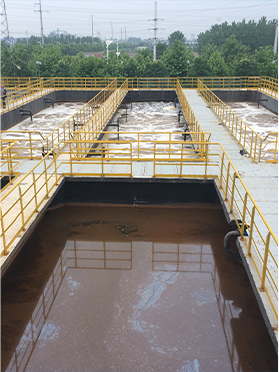
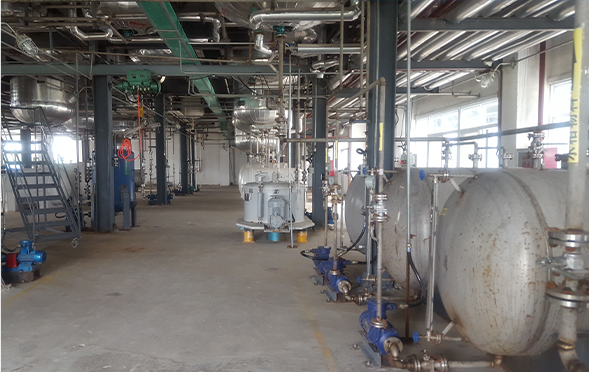
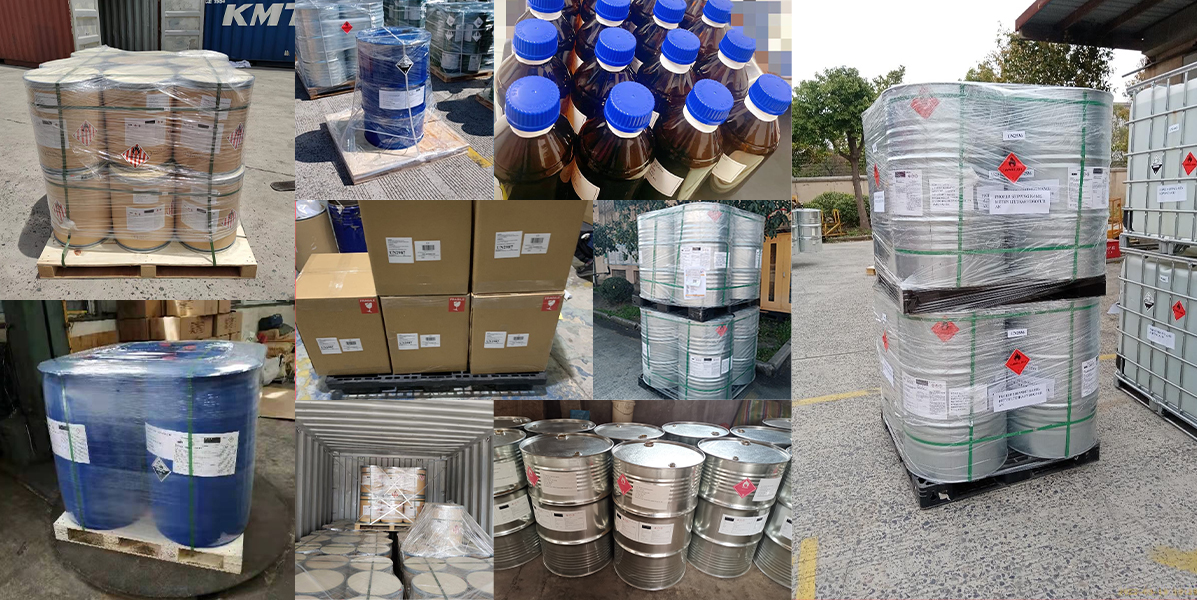
Professional Export Experience
to Global Customers
1. 20 years of R&D, manufacturing and sales experience, serving customers in 60 countries and regions around the world;
2. Own R&D laboratory, pilot platform and large-scale production workshop, which can meet the audit requirements of global customers;
3. We can satisfy customers' perfect transition from small scale lab requirements (gram level) to commercialization requirements (hundred tons level).
A: We don't have Minimum Order Quantity, exact quantity should be provided before quotation for us to calculate the exact cost.
A: We don't provide free samples due to lots of request and expensive international courier's cost, we can deduct the sample charge after commercial order placed.
A: Our payment terms: Small or sample order: T/T IN ADVANCE. Commercial order: First order should be by T/T IN ADVANCE or L/C at sight, and following orders T/T 30~90days is acceptable subject to approval of credit application.