
Custom Manufacturing, Project Outsourcing, your Trusted Partner from China
The performance and longevity of Organic Light-Emitting Diode (OLED) devices are intrinsically linked to the quality and purity of the organic semiconductor materials used in their construction. Among the myriad of complex molecules employed, specialized boron compounds like 1,12-dicarba-closo-dodecaborane(12) (CAS: 20644-12-6) are emerging as critical components. For OLED manufacturers aiming to produce state-of-the-art displays and lighting, understanding the significance of such intermediates and securing a reliable supply chain is paramount.
1,12-Dicarba-closo-dodecaborane(12), a specific isomer of dicarbadodecaborane, offers a unique set of structural and electronic properties that are highly beneficial in OLED technology. Its cage-like structure, featuring a boron-rich framework with two carbon atoms, provides excellent thermal stability and can influence the electronic band gap of organic semiconductors. This makes it an ideal candidate for use in various layers of an OLED, including emissive layers and host materials, where precise control over charge transport and light emission is crucial.
The demand for high-purity materials in the electronics industry cannot be overstated. Even trace impurities in organic semiconductors can lead to device degradation, reduced efficiency, and shortened lifespan. Therefore, OLED manufacturers must source intermediates like 1,12-dicarba-closo-dodecaborane(12) that meet rigorous purity specifications, often exceeding 97% or even 99%. This is where the expertise of specialized chemical manufacturers and suppliers, particularly those in China known for their advanced synthesis capabilities, becomes indispensable. When seeking to buy this compound, prioritizing suppliers who can consistently deliver such high purity is essential.
Procurement managers tasked with sourcing these critical materials often look for suppliers who not only guarantee quality but also offer competitive pricing and reliable delivery. The ability to obtain detailed Certificates of Analysis (CoA) and access to samples for thorough testing are standard requirements. For manufacturers scaling up production, understanding the MOQ (Minimum Order Quantity) and the overall price structure for bulk purchase becomes a significant consideration.
The ongoing innovation in OLED technology necessitates a continuous supply of novel and high-performance building blocks. Compounds like 1,12-dicarba-closo-dodecaborane(12) are at the forefront of this evolution, enabling the development of brighter, more energy-efficient, and longer-lasting displays. Partnering with a trusted supplier of CAS 20644-12-6 ensures that manufacturers have access to the essential materials needed to maintain their competitive edge in the rapidly advancing electronics market. We are committed to being that reliable partner, providing the high-quality dicarbadodecaborane that fuels the future of OLED technology.
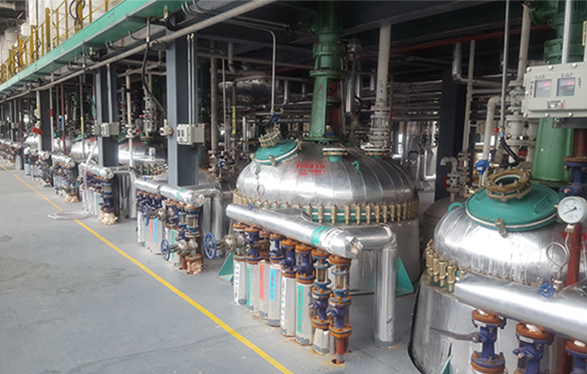
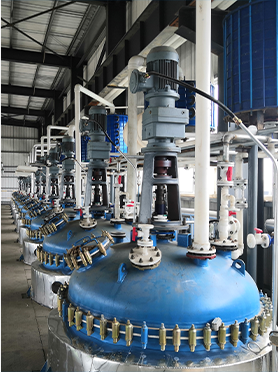
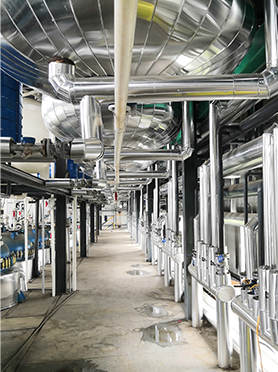
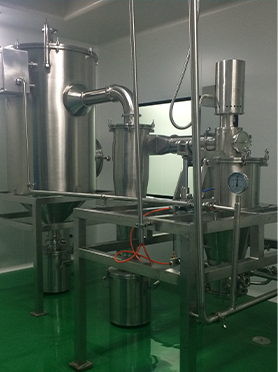
Manufacturing Facilities
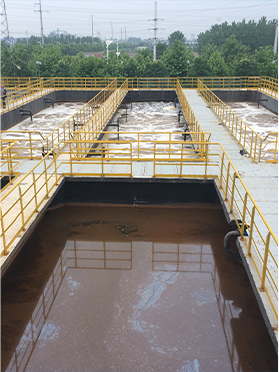
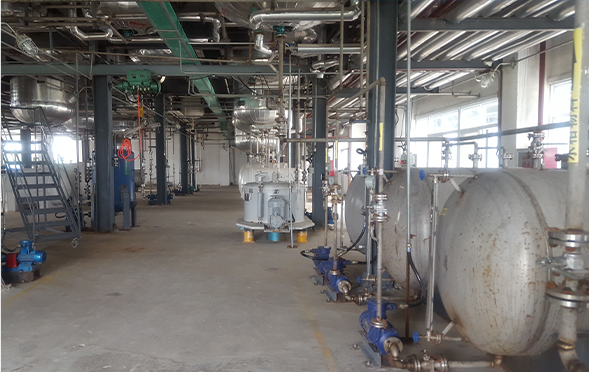
Professional Export Experience
to Global Customers
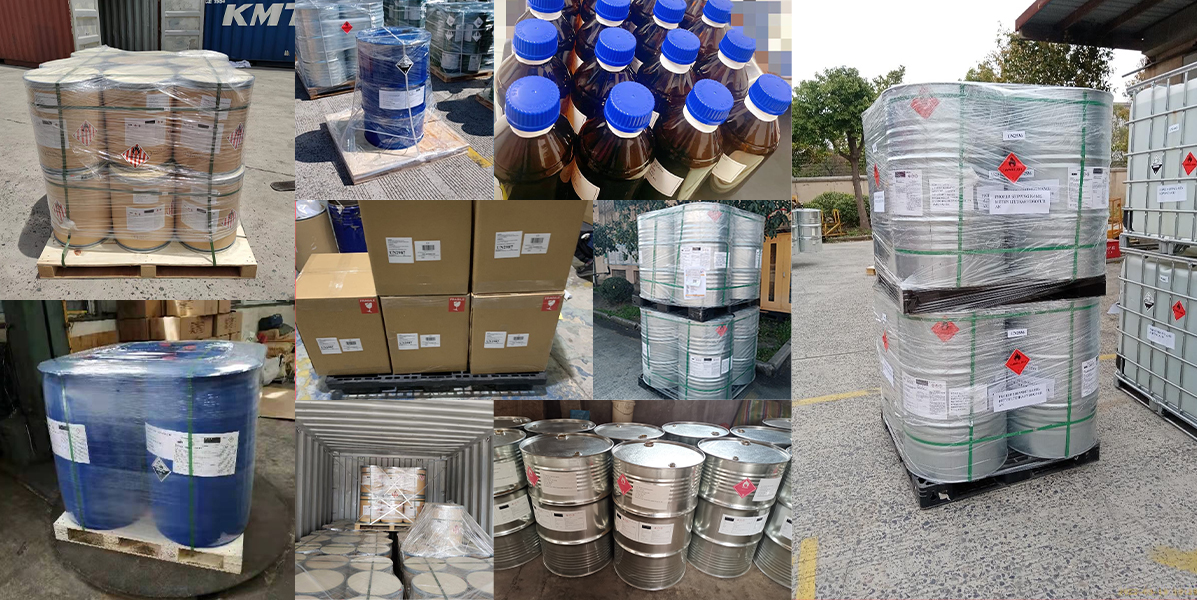
1. 20 years of R&D, manufacturing and sales experience, serving customers in 60 countries and regions around the world;
2. Own R&D laboratory, pilot platform and large-scale production workshop, which can meet the audit requirements of global customers;
3. We can satisfy customers' perfect transition from small scale lab requirements (gram level) to commercialization requirements (hundred tons level).
A: We don't have Minimum Order Quantity, exact quantity should be provided before quotation for us to calculate the exact cost.
A: We don't provide free samples due to lots of request and expensive international courier's cost, we can deduct the sample charge after commercial order placed.
A: Our payment terms: Small or sample order: T/T IN ADVANCE. Commercial order: First order should be by T/T IN ADVANCE or L/C at sight, and following orders T/T 30~90days is acceptable subject to approval of credit application.