
Custom Manufacturing, Project Outsourcing, your Trusted Partner from China
In the vast landscape of industrial chemistry, certain molecules stand out for their foundational importance. Isoprene, scientifically known as 2-methyl-1,3-butadiene and identified by CAS number 78-79-5, is unequivocally one such compound. Its unique molecular structure makes it the indispensable monomer for creating synthetic rubber that closely mimics the desirable properties of natural rubber. For any manufacturer in the automotive, industrial, or consumer goods sectors that relies on high-performance elastomers, understanding and securing a reliable supply of Isoprene is paramount.
The primary driver for Isoprene's demand is its role in the production of cis-1,4-polyisoprene. This synthetic polymer replicates the elasticity, resilience, and flexibility of natural rubber, making it a preferred choice for numerous applications. Tires, particularly for high-performance vehicles, benefit immensely from the characteristics imparted by polyisoprene. Beyond tires, it finds extensive use in footwear, medical devices, and various industrial components where durability and flexibility are critical.
Furthermore, Isoprene is a key building block for other important polymers. It serves as a co-monomer in the synthesis of butyl rubber, a material renowned for its exceptional impermeability to gases. This makes butyl rubber ideal for applications such as inner tubes, pharmaceutical stoppers, and protective clothing. Isoprene is also a crucial component in Styrene-Isoprene-Styrene (SIS) block copolymers, widely used in the formulation of adhesives, sealants, and asphalt modification, offering excellent tack and flexibility.
For businesses looking to buy Isoprene, partnering with a reputable Isoprene manufacturer in China offers significant advantages. Access to high-purity Isoprene (often exceeding 99.0% purity) ensures that polymerization reactions proceed efficiently and yield products with the desired mechanical properties. A stable supply chain, coupled with competitive Isoprene price points, is crucial for maintaining production schedules and managing costs effectively. When you're researching Isoprene CAS 78-79-5 chemical properties or seeking a dependable Isoprene for synthetic rubber, consider a supplier committed to quality and consistent delivery.
The industrial production of Isoprene typically involves petrochemical processes, often as a byproduct of ethylene production or through dedicated synthesis routes. Understanding these production methods helps in appreciating the factors influencing availability and pricing. As the demand for advanced materials continues to grow, securing a stable and high-quality source of Isoprene is a strategic imperative for many manufacturers. We pride ourselves on being a trusted wholesale Isoprene supplier, ready to support your manufacturing needs with exceptional product quality and service.
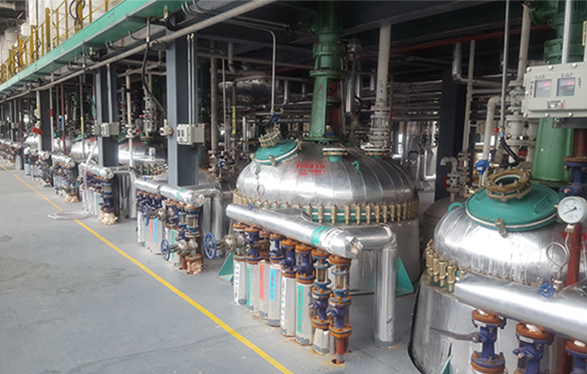
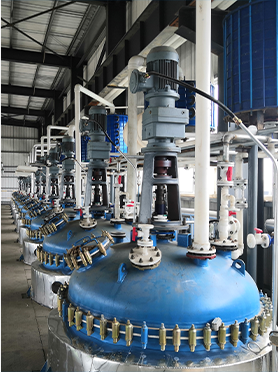
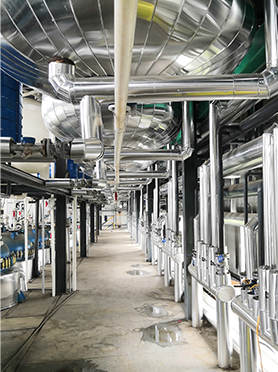
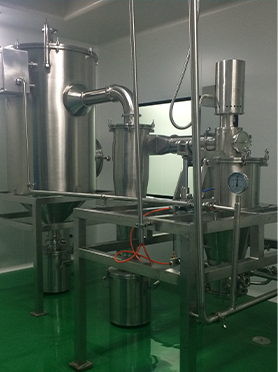
Manufacturing Facilities
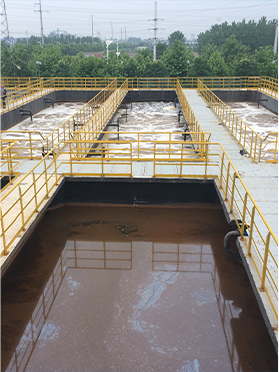
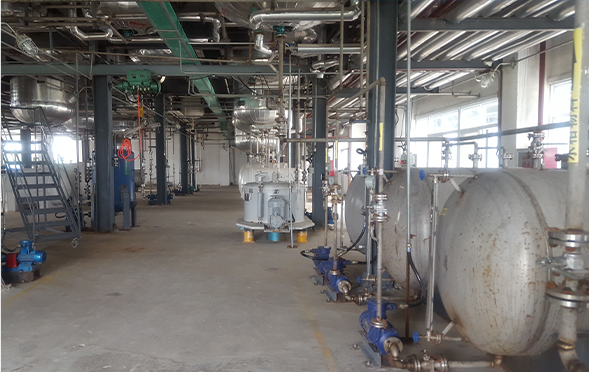
Professional Export Experience
to Global Customers
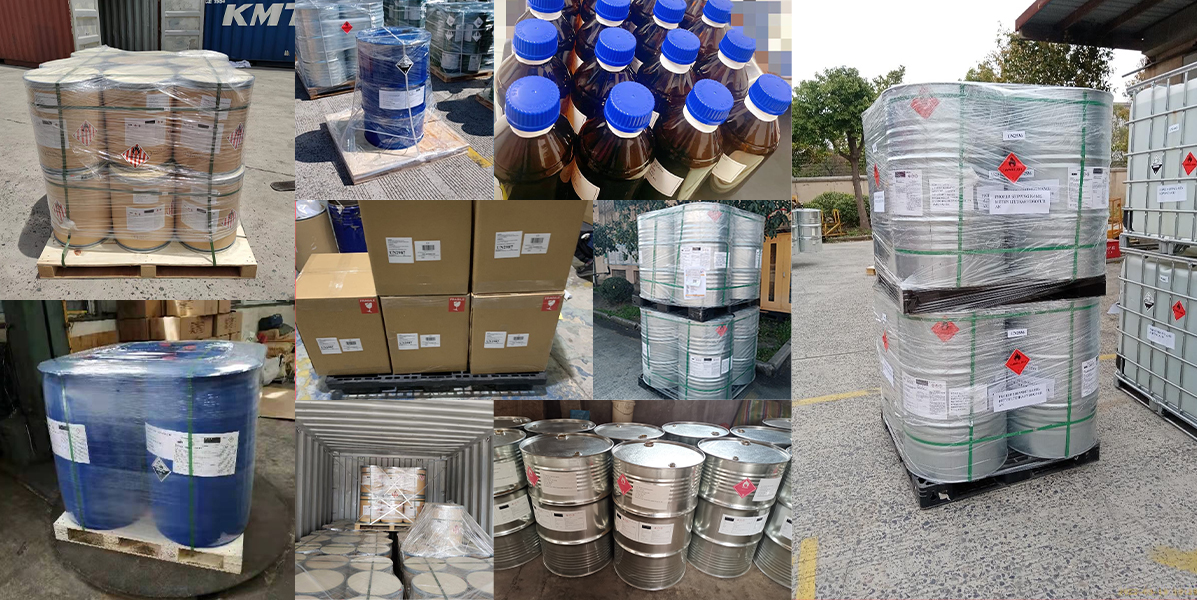
1. 20 years of R&D, manufacturing and sales experience, serving customers in 60 countries and regions around the world;
2. Own R&D laboratory, pilot platform and large-scale production workshop, which can meet the audit requirements of global customers;
3. We can satisfy customers' perfect transition from small scale lab requirements (gram level) to commercialization requirements (hundred tons level).
A: We don't have Minimum Order Quantity, exact quantity should be provided before quotation for us to calculate the exact cost.
A: We don't provide free samples due to lots of request and expensive international courier's cost, we can deduct the sample charge after commercial order placed.
A: Our payment terms: Small or sample order: T/T IN ADVANCE. Commercial order: First order should be by T/T IN ADVANCE or L/C at sight, and following orders T/T 30~90days is acceptable subject to approval of credit application.