Lactobionic Acid
- CAS No.96-82-2
- GradeIndustrial / Pharmaceutical
- Availability● In Stock
High-purity lactobionic acid (CAS 96-82-2), a multifunctional cosmetic active with antioxidant, moisturizing, and chelating properties, ideal for premium skincare formulations.
Request Bulk PricingProduct Technical Details
Product Overview
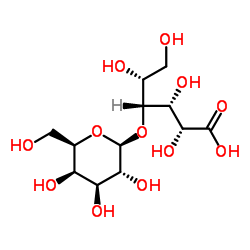
Lactobionic acid is a naturally derived polyhydroxy acid (PHA) formed by the oxidation of lactose, consisting of gluconic acid linked to galactose. Recognized for its gentle yet effective profile, it serves as a biomimetic ingredient originally identified in Caspian yogurt. Unlike more aggressive alpha-hydroxy acids (AHAs), lactobionic acid offers mild exfoliation while delivering superior hydration and skin barrier support, making it highly suitable for sensitive and aging skin types.
Specifications
| Molecular Formula | C₁₂H₂₂O₁₂ |
|---|---|
| Molecular Weight | 358.30 g/mol |
| Appearance | White or almost white crystalline powder |
| Melting Point | 113–118 °C (lit.) |
| pH (1% aqueous solution) | 2.3 |
| Water Solubility | 10 g/100 mL |
| Assay | 98.54% |
| Specific Optical Rotation | +24.6° |
| Heavy Metals | <10 ppm |
| Microbial Limits | Complies with pharmacopeial standards (E. coli, Salmonella, Pseudomonas aeruginosa: negative) |
Industrial Applications
Lactobionic acid is widely utilized in high-end cosmetic and dermatological formulations due to its multifunctional properties:
- Moisturization: Acts as a powerful humectant, attracting and retaining moisture in the stratum corneum.
- Antioxidant Protection: Chelates pro-oxidant metal ions (e.g., Fe²⁺, Cu²⁺), reducing oxidative stress and supporting skin longevity.
- Gentle Exfoliation: Promotes desquamation without compromising skin barrier integrity, ideal for post-procedure or reactive skin.
- Stabilizer & Chelator: Enhances product shelf-life by preventing metal-catalyzed degradation of active ingredients.
- Acidulant: Provides mild pH adjustment in aqueous systems without irritation.
Its biocompatibility, low toxicity, and compliance with stringent microbial and heavy metal limits make it a preferred choice for clean beauty, medical aesthetics, and nutricosmetic applications. Recommended storage at ≤ -20°C ensures long-term stability and performance consistency.