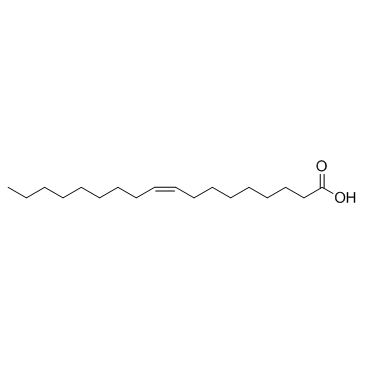
Oleic Acid
- CAS No.112-80-1
- GradeIndustrial / Pharmaceutical
- Availability● In Stock
High purity Oleic Acid (CAS 112-80-1) serving as a versatile fatty acid intermediate for industrial, cosmetic, and chemical synthesis applications with global supply.
Request Bulk PricingProduct Technical Details
Product Overview
Oleic Acid, systematically known as cis-9-Octadecenoic acid, represents a vital monounsaturated omega-9 fatty acid prevalent within the global chemical landscape. As a naturally occurring substance found in numerous animal and vegetable fats and oils, this chemical compound serves as a foundational building block for sophisticated synthesis processes. Our manufacturing facility delivers high-purity grades designed to meet stringent international standards, ensuring consistency for downstream applications ranging from polymer production to personal care formulations. The cis-configuration of the double bond at the ninth carbon position imparts unique fluidity and reactivity characteristics essential for diverse industrial uses.
The physical characteristics of this material include a colorless to light yellow transparent liquid appearance at standard temperatures. With a melting point ranging between 13 to 14 degrees Celsius and a boiling point near 360 degrees Celsius, it exhibits stable thermal properties suitable for diverse processing conditions. The high refractive index and specific density further confirm its identity and purity levels, making it a reliable choice for quality-sensitive industries requiring precise chemical performance.
Technical Specifications
Quality control is paramount in our production workflow. Each batch undergoes rigorous analysis using advanced chromatography and titration methods to verify compliance with factory standards and client requirements. The following table outlines the key analytical parameters that define our premium Oleic Acid offering, ensuring transparency and reliability for our partners:
| Items of Analysis | Standard of Analysis | Test Results |
|---|---|---|
| Appearance | Colorless to light yellow transparent liquid | Conforms |
| Color | ≤30 Hazen | 10-20 |
| Purity | ≥99.00% | 99.69% |
| Elaidic acid | ≤0.3% | 0.070% |
| Palmitic acid | ≤0.5% | 0.042% |
| Linoleic acid | ≤0.5% | 0.061% |
| Other impurities | ≤0.5% | 0.137% |
| Acid Value (mg KOH/g) | 190-203 | 197.77 |
| Peroxide Value (meq/kg) | ≤5.0 | 0.95 |
| Saponification value (mg KOH/g) | 195-205 | 200.64 |
| Water | ≤0.2% | 0.092% |
| Conclusion | Conforms to Factory Standard | |
Industrial Applications
The versatility of Oleic Acid enables its utilization across a broad spectrum of manufacturing verticals. In the polymer industry, it acts as a crucial precursor for dimer acid and alkyd resin production, contributing to the durability and flexibility of final plastic products. Textile manufacturers rely on this fatty acid for creating effective detergents and softening agents that enhance fabric quality without compromising fiber integrity. Furthermore, its role in metalworking fluids provides essential lubrication and corrosion protection during precision machining processes.
Within the cosmetic and daily chemical sectors, this ingredient functions as an emollient and emulsifier, improving the texture and stability of lotions, soaps, and cleaning agents. Its compatibility with skin and biodegradable nature aligns with modern sustainability goals and regulatory requirements for personal care products. Additional applications include use in ink formulation, pesticide emulsifiers, and mineral flotation agents, demonstrating its multifaceted utility in heavy and light industry alike. It is also employed in the production of synthetic fibers such as nylon, showcasing its importance in material science.
Packaging and Storage
To maintain product integrity during transit and storage, we utilize 170kg steel-plastic composite barrels equipped with nitrogen-filled packaging. This method prevents oxidation and contamination, preserving the chemical stability of the fatty acid over extended periods. Clients should store the material in a cool, ventilated environment away from direct sunlight and rain to prevent degradation. It is essential to separate this product from alkalis, flammable materials, and ignition sources to ensure workplace safety and regulatory compliance according to hazardous material handling guidelines.
Our commitment to excellence extends beyond product quality to include comprehensive documentation and support. We provide Certificates of Analysis (COA) with every shipment, ensuring transparency and traceability for quality assurance teams. Partner with us for a reliable supply chain solution that supports your manufacturing efficiency and product performance goals. Contact our sales team today to discuss specific grade requirements and volume pricing options tailored to your operational needs.