
Advanced Photocatalytic Synthesis of Substituted Quinolines for Commercial Scale-Up and High-Purity Pharmaceutical Intermediates
The pharmaceutical and fine chemical industries are constantly seeking robust methodologies to functionalize aromatic heterocyclic scaffolds, which serve as critical backbones for numerous active pharmaceutical ingredients. Patent CN113979937B introduces a transformative approach to preparing substituted aromatic heterocyclic compounds from aromatic heterocyclic precursors, specifically leveraging a novel photocatalytic system. This technology addresses the longstanding challenges associated with traditional radical addition reactions, which often necessitate harsh chemical environments. By employing a composite photocatalyst comprising 3,4,9,10-perylene diacid anhydride and graphitic carbon nitride (PTCDA/g-C3N4), the method enables the induction of free radical addition reactions under mild air or oxygen atmospheres. This innovation eliminates the dependency on strong oxidizing agents, thereby fundamentally altering the safety and economic profile of synthesizing these valuable intermediates. For R&D directors and procurement specialists, this represents a significant shift towards greener, more sustainable manufacturing protocols that do not compromise on yield or purity standards.
The Limitations of Conventional Methods vs. The Novel Approach
The Limitations of Conventional Methods
Historically, the functionalization of aromatic heterocycles, particularly through Minisci-type reactions, has relied heavily on the use of potent chemical oxidants such as ammonium persulfate to generate the necessary carbon-centered radicals. While effective in a laboratory setting, these traditional methods present severe drawbacks when considered for industrial application. The strong oxidizing nature of these reagents leads to significant corrosion of reaction equipment, necessitating the use of expensive, corrosion-resistant materials and frequent maintenance schedules. Furthermore, the handling and disposal of such hazardous oxidants impose strict regulatory burdens and increase the overall environmental footprint of the manufacturing process. The harsh conditions often required can also lead to unwanted side reactions, complicating the purification process and potentially lowering the overall purity of the final pharmaceutical intermediates. These factors collectively contribute to higher operational costs and supply chain vulnerabilities for manufacturers relying on legacy synthetic routes.
The Novel Approach
In stark contrast, the methodology disclosed in CN113979937B utilizes a visible-light-driven photocatalytic system that operates efficiently without the addition of external strong oxidants. The core of this innovation lies in the PTCDA/g-C3N4 composite, which exhibits superior thermal and photostability, allowing it to facilitate radical generation using only molecular oxygen from the air. This shift from chemical oxidation to photocatalytic oxidation drastically reduces the corrosive potential of the reaction mixture, preserving the integrity of standard stainless steel reactors. The reaction proceeds under mild temperatures, typically between 25°C and 35°C, which minimizes energy consumption and thermal stress on the system. By removing the need for hazardous oxidants, the process not only enhances operational safety but also simplifies the downstream workup, as there are fewer inorganic byproducts to remove. This novel approach aligns perfectly with the industry's drive towards cost reduction in fine chemical manufacturing while maintaining high standards of chemical efficiency.
Mechanistic Insights into PTCDA/g-C3N4 Catalyzed Radical Addition
The mechanistic pathway of this synthesis involves the excitation of the PTCDA/g-C3N4 photocatalyst under visible light irradiation, typically within the 460 to 520 nanometer wavelength range. Upon excitation, the catalyst facilitates the generation of free radicals from pre-substituted compounds such as epoxides or primary alcohols, which act as the radical precursors. These carbon-centered radicals then undergo addition to the protonated electron-deficient aromatic heterocyclic ring, specifically targeting the active positions on the quinoline scaffold. The use of an acid, such as hydrochloric acid or trifluoroacetic acid, is crucial for protonating the heterocycle, thereby increasing its electrophilicity and susceptibility to nucleophilic radical attack. This precise control over the reaction environment ensures high regioselectivity and minimizes the formation of isomeric impurities. The stability of the PTCDA/g-C3N4 composite ensures that the catalytic cycle can proceed efficiently over extended periods without significant degradation, which is a critical factor for maintaining consistent batch-to-batch quality in commercial production settings.
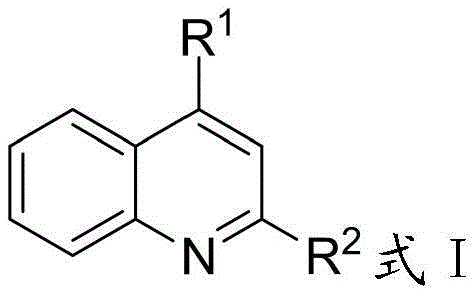
Controlling the impurity profile is paramount for any synthetic route intended for pharmaceutical applications, and this photocatalytic method offers distinct advantages in this regard. By avoiding strong oxidants, the reaction avoids the generation of oxidative byproducts that are often difficult to separate from the target molecule. The mild reaction conditions also prevent thermal decomposition of sensitive functional groups that might be present on the aromatic heterocycle or the radical precursor. The purification process described involves standard techniques such as pH adjustment, extraction with ethyl acetate, and column chromatography, which are well-established and scalable. The ability to achieve high yields, as demonstrated in the patent examples ranging from 70% to 91%, indicates a clean reaction profile with minimal side reactions. For quality control teams, this translates to a more predictable impurity spectrum, simplifying the validation process and ensuring that the high-purity pharmaceutical intermediates meet stringent regulatory specifications required for downstream drug synthesis.
How to Synthesize Substituted Aromatic Heterocyclic Compound Efficiently
The operational protocol for this synthesis is designed to be straightforward yet precise, ensuring reproducibility across different scales of production. The process begins with the preparation of the reaction mixture, where the aromatic heterocyclic compound, the pre-substituted compound (such as tetrahydrofuran or a primary alcohol), the PTCDA/g-C3N4 photocatalyst, and the acid are combined in a suitable solvent like acetonitrile. It is essential to maintain the specific mass ratio of the photocatalyst components to ensure optimal activity. Once the mixture is homogenized, it is subjected to visible light irradiation under an air or oxygen atmosphere. Temperature control is maintained between 25°C and 35°C, often requiring active cooling due to the heat generated by the LED light source. The reaction progress is monitored via gas chromatography until the starting material is consumed. Following the reaction, the mixture is quenched, neutralized, and purified to isolate the target product. Detailed standardized synthesis steps see the guide below.
- Mix aromatic heterocyclic compounds, pre-substituted compounds like epoxides or primary alcohols, PTCDA/g-C3N4 photocatalyst, and acid in a solvent system.
- Expose the mixture to air or oxygen atmosphere under 460-520nm LED light irradiation at 25-35°C to induce radical addition.
- Quench the reaction with ammonium chloride, neutralize, extract, and purify via column chromatography to obtain the target substituted product.
Commercial Advantages for Procurement and Supply Chain Teams
For procurement managers and supply chain heads, the adoption of this photocatalytic technology offers substantial strategic benefits beyond mere chemical efficiency. The elimination of strong oxidants directly correlates to a significant reduction in the cost of raw materials and the logistical complexities associated with handling hazardous chemicals. This shift enhances supply chain reliability by reducing dependency on specialized oxidant suppliers and mitigating the risks associated with the storage and transport of corrosive substances. Furthermore, the reduced corrosiveness of the reaction mixture extends the lifespan of manufacturing equipment, leading to lower capital expenditure on reactor maintenance and replacement. These factors collectively contribute to a more resilient and cost-effective supply chain, enabling manufacturers to offer competitive pricing without sacrificing quality. The mild conditions also facilitate easier commercial scale-up of complex organic compounds, as the safety profile is significantly improved compared to traditional exothermic oxidation reactions.
- Cost Reduction in Manufacturing: The removal of expensive and hazardous strong oxidants from the process recipe leads to direct material cost savings. Additionally, the reduced corrosion of equipment lowers the total cost of ownership for manufacturing assets, as there is less frequent need for replacement or specialized lining. The energy efficiency of using LED light sources compared to high-temperature thermal processes further contributes to operational expenditure reductions. These cumulative savings allow for a more competitive pricing structure for the final pharmaceutical intermediates, providing a clear economic advantage in the marketplace.
- Enhanced Supply Chain Reliability: By utilizing air or oxygen as the oxidant source, the process removes a potential bottleneck associated with the supply of chemical oxidants. This simplifies the raw material portfolio and reduces the risk of production stoppages due to supply shortages of critical reagents. The stability of the photocatalyst also suggests potential for recycling or extended use, further stabilizing the supply of catalytic materials. This reliability is crucial for maintaining consistent delivery schedules to downstream pharmaceutical clients who depend on just-in-time inventory models.
- Scalability and Environmental Compliance: The mild reaction conditions and absence of heavy metal catalysts or strong oxidants make this process highly scalable with fewer environmental regulatory hurdles. Waste treatment is simplified as the effluent contains fewer hazardous oxidative byproducts, reducing the cost and complexity of waste management. This aligns with global trends towards green chemistry and sustainability, enhancing the corporate social responsibility profile of the manufacturer. The ease of scale-up ensures that increasing production volumes to meet market demand can be achieved without significant re-engineering of the process.
Frequently Asked Questions (FAQ)
The following questions address common technical and commercial inquiries regarding the implementation of this photocatalytic synthesis method. These answers are derived directly from the technical specifications and beneficial effects outlined in the patent documentation. They are intended to provide clarity on the operational feasibility and strategic advantages of adopting this technology for the production of high-value chemical intermediates. Understanding these details is essential for stakeholders evaluating the integration of this process into their existing manufacturing portfolios.
Q: How does this photocatalytic method reduce equipment corrosion compared to traditional Minisci reactions?
A: Traditional Minisci reactions rely on strong oxidants like ammonium persulfate which are highly corrosive to reactor vessels. This patent utilizes a PTCDA/g-C3N4 photocatalyst system that operates under air or oxygen without additional strong oxidants, significantly mitigating equipment degradation and maintenance costs.
Q: What are the specific advantages of the PTCDA/g-C3N4 composite catalyst in this synthesis?
A: The composite catalyst combines the thermal and light stability of PTCDA with the semiconductor properties of g-C3N4. This synergy allows for efficient radical generation under mild visible light irradiation (460-520nm) and ambient temperatures, ensuring high catalytic performance and reusability potential.
Q: Can this method be scaled for commercial production of complex pharmaceutical intermediates?
A: Yes, the reaction conditions are mild (25-35°C) and do not require hazardous strong oxidants, making it safer and more feasible for large-scale manufacturing. The use of common solvents like acetonitrile and simple workup procedures supports robust commercial scale-up of complex organic compounds.
Partnering with NINGBO INNO PHARMCHEM: Your Reliable Substituted Aromatic Heterocyclic Compound Supplier
NINGBO INNO PHARMCHEM stands at the forefront of adopting advanced synthetic technologies to deliver superior chemical solutions to the global market. Our expertise in scaling diverse pathways from 100 kgs to 100 MT/annual commercial production ensures that we can effectively translate laboratory innovations like the PTCDA/g-C3N4 photocatalytic method into robust industrial processes. We maintain stringent purity specifications and operate rigorous QC labs to guarantee that every batch of substituted aromatic heterocyclic compounds meets the exacting standards required by the pharmaceutical industry. Our commitment to technical excellence allows us to navigate the complexities of modern organic synthesis, providing our partners with reliable access to high-quality intermediates that drive their drug development pipelines forward.
We invite potential partners to engage with our technical procurement team to discuss how this innovative synthesis route can optimize your supply chain. By requesting a Customized Cost-Saving Analysis, you can gain detailed insights into the economic benefits of switching to this greener methodology. We encourage you to contact us for specific COA data and route feasibility assessments tailored to your specific project needs. Our team is ready to collaborate on reducing lead time for high-purity pharmaceutical intermediates, ensuring that your projects stay on schedule and within budget while adhering to the highest standards of quality and safety.
Engineering Bottleneck?
Can't scale up this synthesis? Upload your target structure or CAS, and our CDMO team will evaluate the industrial feasibility within 24 hours. Request Evaluation →