
Advanced Synthesis of Butene Liquid Crystal Intermediates via Efficient Mesylation Technology
Advanced Synthesis of Butene Liquid Crystal Intermediates via Efficient Mesylation Technology
The rapid evolution of the display industry, particularly in the sectors of high-grade STN and TFT mixed crystals, demands intermediates of exceptional purity and structural precision. Patent CN101407482B introduces a groundbreaking methodology for synthesizing butene liquid crystal intermediates, specifically focusing on alkyl-cyclohexyl methyl mesylates. This technology addresses the critical bottlenecks found in traditional synthetic routes by utilizing a direct mesylation strategy that ensures quantitative conversion and superior product quality. The core innovation lies in the replacement of cumbersome tosylation processes with a streamlined reaction using methanesulfonyl chloride in polar aprotic solvents. 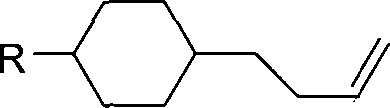 As a reliable liquid crystal intermediate supplier, understanding these mechanistic advantages is essential for securing a stable supply chain for next-generation electronic materials.
The Limitations of Conventional Methods vs. The Novel Approach
The Limitations of Conventional Methods
Historically, the synthesis of butene liquid crystal monomers has relied heavily on the preparation of p-toluenesulfonic acid esters (tosylates) as key intermediates. As illustrated in prior art such as patent JP2003095997, the conventional pathway involves reacting alkyl-cyclohexyl methanol with p-toluenesulfonyl chloride under alkaline catalysis.  This traditional approach suffers from significant drawbacks, including incomplete transformation of the raw alcohol and the generation of crude products with low purity that cannot be directly utilized in subsequent steps. The post-treatment process is notoriously complex, requiring repeated washing with water and multiple solvent extractions to isolate the product from the aqueous phase. These extensive purification steps often lead to substantial product loss, especially when dealing with polycyclic sulfonates that are difficult to dissolve, thereby necessitating large volumes of extraction solvents and increasing both operational costs and environmental waste.
The Novel Approach
In stark contrast, the novel approach detailed in CN101407482B utilizes methanesulfonyl chloride to generate methylsulphonic acid alkyl-cyclohexyl methyl esters, effectively bypassing the inefficiencies of the tosylate route. This method capitalizes on the high reactivity of methanesulfonyl chloride, which allows for rapid and complete reaction with the raw alcohol in solvents like tetrahydrofuran (THF). The resulting mesylate intermediates exhibit excellent solubility characteristics during the reaction but can be easily precipitated upon the addition of water, simplifying the isolation process dramatically. By eliminating the need for complex extraction and recrystallization steps, this novel approach not only enhances the overall yield but also ensures that the final product achieves a purity level suitable for direct use in high-performance liquid crystal applications without further refinement.
Mechanistic Insights into Methanesulfonyl Chloride Esterification
The core chemical transformation involves a nucleophilic substitution reaction where the hydroxyl group of the alkyl-cyclohexyl methanol attacks the sulfur atom of the methanesulfonyl chloride.  In the presence of a basic catalyst such as triethylamine or pyridine, the reaction proceeds efficiently within a temperature range of -10°C to 100°C. The base serves a dual purpose: it activates the alcohol slightly and, more critically, scavenges the hydrogen chloride byproduct formed during the esterification, driving the equilibrium towards the formation of the mesylate. The use of THF as a polar aprotic solvent is pivotal, as it dissolves both the organic reactants and the inorganic salts formed, facilitating a homogeneous reaction environment that promotes quantitative conversion. Unlike the bulkier tosyl group, the smaller mesyl group imposes less steric hindrance, allowing for faster reaction kinetics and reducing the likelihood of side reactions that could compromise the integrity of the sensitive cyclohexyl rings.
Impurity control is inherently built into this mechanism due to the specificity of the sulfonylation reaction and the unique physical properties of the product. The patent highlights that the reaction generates virtually no side products, a claim supported by the high HPLC purity (>97%) observed in the examples. The workup procedure leverages the differential solubility of the product versus the impurities; by evaporating a portion of the THF and adding water, the mesylate product precipitates out as a solid while soluble impurities and residual salts remain in the mother liquor. A subsequent wash with aqueous ethanol effectively removes any remaining acidic residues or unreacted starting materials. This precipitation-based purification is far superior to liquid-liquid extraction for these specific structures, as it minimizes mechanical losses and avoids the emulsification issues often encountered with polycyclic compounds, ensuring a consistent and high-quality impurity profile essential for electronic grade materials.
How to Synthesize Alkyl-cyclohexyl Methyl Mesylate Efficiently
The synthesis protocol outlined in the patent provides a robust framework for producing these critical intermediates with high reproducibility. The process begins by dissolving the specific raw alcohol and a stoichiometric amount of a basic catalyst, preferably triethylamine, in an anhydrous solvent such as THF or dioxane. The reaction is initiated by the dropwise addition of methanesulfonyl chloride at controlled temperatures, typically between 0°C and 50°C, to manage the exotherm and ensure selectivity. Following the reaction period, which can range from 1 to 10 hours depending on the specific substrate, the solvent is partially recovered to concentrate the mixture. The addition of water induces precipitation of the product, which is then filtered and washed with aqueous ethanol to yield the final high-purity mesylate.
- Dissolve the raw material alcohol and a basic catalyst such as triethylamine in an anhydrous aprotic solvent like THF.
- Add methanesulfonyl chloride dropwise at a controlled temperature between -10°C and 100°C while stirring continuously.
- After reaction completion, recover solvent, add water to precipitate the product, filter, and wash with aqueous ethanol to obtain high-purity mesylate.
Commercial Advantages for Procurement and Supply Chain Teams
For procurement managers and supply chain directors, the adoption of this mesylation technology offers tangible benefits that extend beyond mere chemical efficiency. The shift from tosylates to mesylates fundamentally alters the cost structure and operational footprint of liquid crystal intermediate manufacturing. By utilizing methanesulfonyl chloride, which is generally more cost-effective and possesses a lower molecular weight than p-toluenesulfonyl chloride, manufacturers can achieve significant raw material cost reductions on a per-mole basis. Furthermore, the elimination of complex extraction and recrystallization steps translates directly into reduced solvent consumption and lower waste disposal costs, aligning with modern green chemistry initiatives and reducing the overall environmental compliance burden.
- Cost Reduction in Manufacturing: The streamlined process eliminates the need for expensive and time-consuming purification techniques such as multiple solvent extractions and recrystallizations. Since the product precipitates directly from the reaction mixture upon water addition, the reliance on large volumes of extraction solvents is removed, leading to substantial savings in solvent procurement and recovery costs. Additionally, the higher atomic efficiency of methanesulfonyl chloride compared to its tosyl counterpart means less mass is required to achieve the same molar conversion, further driving down the direct material costs associated with producing high-purity electronic chemical intermediates.
- Enhanced Supply Chain Reliability: The simplicity of the post-treatment process significantly shortens the batch cycle time, allowing for faster throughput and more responsive production scheduling. Traditional methods involving repeated washing and extraction are prone to delays and variability, whereas the precipitation method described here is robust and easily scalable. This reliability ensures a more consistent supply of critical intermediates, reducing the risk of production bottlenecks for downstream liquid crystal manufacturers who depend on just-in-time delivery for their display panel production lines.
- Scalability and Environmental Compliance: Scaling this process from laboratory to industrial production is straightforward due to the absence of complex phase separation steps that often fail at larger scales. The ability to recover and reuse the anhydrous reaction solvent without extensive treatment further enhances the sustainability of the operation. By minimizing the generation of aqueous waste streams laden with organic solvents, this method simplifies wastewater treatment requirements and helps facilities maintain strict adherence to environmental regulations, making it a preferred choice for long-term sustainable manufacturing strategies.
Frequently Asked Questions (FAQ)
The following questions address common technical and commercial inquiries regarding the synthesis and application of these butene liquid crystal intermediates. The answers are derived directly from the experimental data and process descriptions found in the patent literature, providing clarity on the operational parameters and quality standards expected in commercial production.
Q: Why is methanesulfonyl chloride preferred over p-toluenesulfonyl chloride for this synthesis?
A: Methanesulfonyl chloride has a lower molecular weight and is generally less expensive than p-toluenesulfonyl chloride. Furthermore, the resulting methanesulfonate esters are highly reactive and easier to purify via precipitation, avoiding complex extraction steps required for tosylates.
Q: What are the critical parameters for ensuring high purity in the mesylate intermediate?
A: Maintaining anhydrous conditions using solvents like THF and controlling the molar ratio of alcohol to methanesulfonyl chloride (typically 1:0.9 to 1:10) are crucial. The use of a basic catalyst like triethylamine ensures complete conversion and neutralizes generated HCl.
Q: How does this process improve supply chain reliability for liquid crystal manufacturers?
A: The simplified post-treatment involving water precipitation eliminates the need for multiple solvent extractions and recrystallizations. This drastically reduces processing time and solvent consumption, allowing for faster batch turnover and more consistent delivery schedules.
Partnering with NINGBO INNO PHARMCHEM: Your Reliable Butene Liquid Crystal Intermediate Supplier
NINGBO INNO PHARMCHEM stands at the forefront of fine chemical manufacturing, leveraging advanced technologies like the mesylation process described in CN101407482B to deliver superior value to our global partners. Our technical team possesses extensive experience scaling diverse pathways from 100 kgs to 100 MT/annual commercial production, ensuring that the transition from pilot scale to full-scale manufacturing is seamless and efficient. We maintain stringent purity specifications and operate rigorous QC labs to guarantee that every batch of butene liquid crystal intermediate meets the exacting standards required for high-performance TFT and STN display applications.
We invite you to collaborate with us to optimize your supply chain and reduce your manufacturing costs. Contact our technical procurement team today to request a Customized Cost-Saving Analysis tailored to your specific volume requirements. We are ready to provide specific COA data and comprehensive route feasibility assessments to demonstrate how our optimized synthesis methods can enhance your operational efficiency and product quality.