
Advanced Linaclotide Synthesis via Mmt Protection and Biomimetic Oxidation
Advanced Linaclotide Synthesis via Mmt Protection and Biomimetic Oxidation
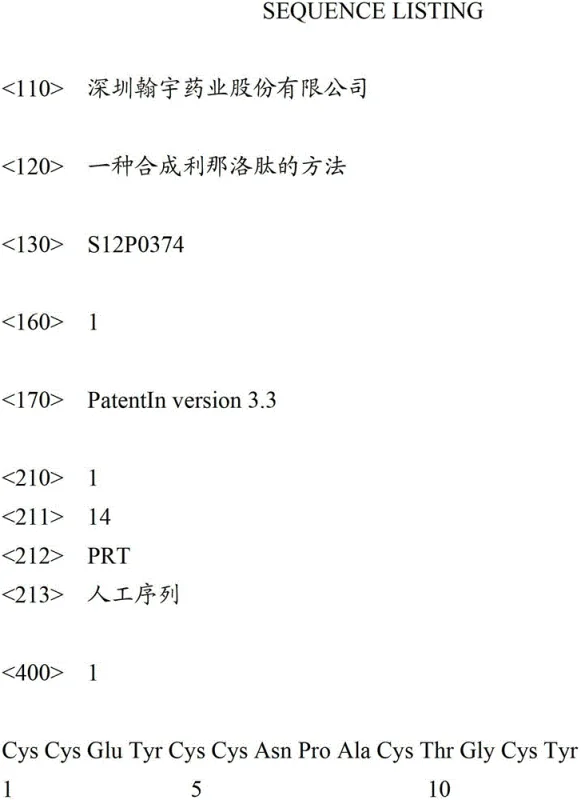
The pharmaceutical industry constantly seeks robust methodologies for the production of complex peptide therapeutics, and the synthesis of Linaclotide stands as a prime example of such chemical engineering challenges. Patent CN102875655A discloses a groundbreaking approach to synthesizing this 14-amino acid guanylate cyclase-C agonist, which is critical for treating chronic idiopathic constipation and irritable bowel syndrome with constipation. The core innovation lies in the strategic selection of the Mmt (4-methoxytrityl) protecting group for the cysteine side chains, coupled with a biomimetic GSH/GSSG oxidation system. This combination addresses the historical bottlenecks of low purity and poor yield that have plagued previous synthetic routes. By optimizing the solid-phase peptide synthesis (SPPS) parameters and the subsequent oxidative folding conditions, this method achieves a linear peptide purity between 75% and 80%, a significant leap forward in process efficiency. For R&D directors and procurement specialists, understanding this pathway is essential for securing a reliable Linaclotide supplier capable of delivering high-quality active pharmaceutical ingredients.
The Limitations of Conventional Methods vs. The Novel Approach
The Limitations of Conventional Methods
Historically, the synthesis of cysteine-rich peptides like Linaclotide has been fraught with difficulties regarding impurity profiles and overall process yield. Traditional methods often employed Trt (trityl) or Acm (acetamidomethyl) protecting groups, which presented distinct disadvantages during the scale-up phase. For instance, methods utilizing Trt protection frequently resulted in linear peptide purities as low as 40%, necessitating rigorous and costly intermediate purification steps before oxidation could even commence. Furthermore, conventional oxidation systems often lacked the specificity required to correctly form the three native disulfide bonds (Cys1-Cys6, Cys2-Cys10, and Cys5-Cys13), leading to a myriad of misfolded isoforms and scrambled byproducts. These impurities not only reduced the final yield to less than 10% but also complicated the downstream purification process, increasing the cost of goods sold and extending the manufacturing lead time significantly.
The Novel Approach
In stark contrast, the method disclosed in CN102875655A introduces a refined protocol that dramatically enhances the quality of the crude intermediate. By switching to the Mmt protecting group for all cysteine residues, the synthesis minimizes side reactions and aggregation during the stepwise coupling on the Wang resin. This strategic modification ensures that the cleaved linear peptide possesses a purity profile exceeding 75%, effectively eliminating the need for intermediate purification prior to the critical oxidation step. Additionally, the adoption of a glutathione-based redox system (GSH/GSSG) mimics the physiological environment of disulfide bond formation, promoting the correct folding topology with high fidelity. This novel approach not only simplifies the operational workflow but also boosts the total recovery of the final API to a range of 11% to 27%, representing a substantial improvement in process economics and resource utilization for commercial manufacturing.
Mechanistic Insights into Mmt-Protection and GSH-Mediated Oxidation
The success of this synthesis hinges on the delicate balance of steric and electronic properties provided by the Mmt group. Unlike the standard Trt group, the methoxy substituent on the Mmt trityl ring alters the acid lability and stability profile, allowing for efficient coupling while preventing premature deprotection or side-chain alkylation during the elongation of the peptide chain. The synthesis proceeds via a one-by-one coupling mode on a Wang resin with a substitution degree of approximately 0.5 mmol/g, ensuring optimal loading and minimizing inter-chain interactions that could lead to deletion sequences. Following the assembly, the resin-bound peptide is treated with a cleavage cocktail comprising trifluoroacetic acid (TFA), triisopropylsilane (TIS), and water. This specific formulation effectively removes the Mmt groups along with other side-chain protectors like tBu and OtBu, releasing the free thiol groups necessary for the subsequent oxidative folding without generating excessive scavenging byproducts that could contaminate the peptide.
The oxidative folding step is equally critical, utilizing a GSH/GSSG system where the molar ratio of reduced to oxidized glutathione is meticulously controlled between 5:1 and 15:1, with 10:1 being optimal. This redox buffer maintains the reaction potential within a narrow window that favors the thermodynamic formation of the native disulfide bonds over kinetically trapped misfolded states. The reaction is conducted at a controlled pH of 7.8 to 8.0 and temperatures ranging from 0°C to 30°C, conditions that are mild enough to prevent peptide degradation yet energetic enough to drive the equilibration towards the correct native structure. This biomimetic approach significantly reduces the formation of non-native disulfide linkages, thereby simplifying the final purification burden and ensuring that the resulting Linaclotide meets stringent purity specifications with single impurities controlled below 0.5%.
How to Synthesize Linaclotide Efficiently
The implementation of this synthesis route requires precise control over reaction parameters to replicate the high yields reported in the patent data. The process begins with the preparation of the Fmoc-Tyr(tBu)-Wang resin, followed by the sequential coupling of the 14 amino acids using activation systems such as HOBt/DIPCDI. Special attention must be paid to the coupling of the cysteine residues to ensure complete reaction and minimize racemization. Once the full sequence is assembled, the cleavage and oxidation steps must be performed with strict adherence to the specified reagent ratios and pH levels to maximize the formation of the correct disulfide bridges. The detailed standardized synthesis steps, including specific reagent quantities and reaction times for each stage, are outlined in the guide below for technical reference.
- Perform solid-phase synthesis using Wang resin and Fmoc-amino acids, specifically utilizing Mmt protection for all Cysteine side chains to ensure high linear peptide purity.
- Cleave the protected peptide from the resin using a TFA-based cocktail to remove all protecting groups and release the linear crude peptide.
- Oxidize the linear peptide using a GSH/GSSG redox system at pH 7.8-8.0 to form the three correct disulfide bonds without intermediate purification.
Commercial Advantages for Procurement and Supply Chain Teams
For procurement managers and supply chain heads, the transition to this Mmt-based synthesis protocol offers compelling economic and operational benefits that extend beyond simple yield improvements. The elimination of the intermediate purification step prior to oxidation represents a significant reduction in processing time and solvent consumption, directly translating to lower manufacturing costs. By streamlining the workflow from linear peptide cleavage to final oxidative folding, the process reduces the number of unit operations required, thereby decreasing the potential for material loss and equipment occupancy time. This efficiency gain allows for a more agile response to market demand, ensuring a consistent supply of high-purity Linaclotide without the bottlenecks associated with complex multi-step purification workflows.
- Cost Reduction in Manufacturing: The use of the Mmt protecting group and the direct oxidation strategy eliminates the need for expensive preparative HPLC purification of the linear intermediate, which is a major cost driver in peptide synthesis. This simplification reduces the consumption of chromatography media and organic solvents, leading to substantial cost savings in raw materials and waste disposal. Furthermore, the higher total recovery means that less starting material is required to produce the same amount of final API, optimizing the overall cost structure and enhancing the competitiveness of the final product in the global marketplace.
- Enhanced Supply Chain Reliability: The robustness of the GSH/GSSG oxidation system ensures consistent batch-to-batch quality, reducing the risk of production failures or out-of-specification results that can disrupt supply continuity. The reagents involved, such as glutathione and standard Fmoc-amino acids, are commercially available from multiple sources, mitigating the risk of single-source dependency. This reliability is crucial for maintaining long-term supply agreements with pharmaceutical partners who require guaranteed delivery schedules and consistent quality attributes for their regulatory filings.
- Scalability and Environmental Compliance: The mild reaction conditions and the use of biomimetic oxidants make this process highly scalable from laboratory to commercial production volumes without significant re-engineering. The reduction in hazardous waste generation, owing to the avoidance of heavy metal catalysts or harsh oxidizing agents, aligns with modern green chemistry principles and environmental regulations. This compliance facilitates smoother regulatory approvals and reduces the environmental footprint of the manufacturing facility, appealing to stakeholders focused on sustainable pharmaceutical production practices.
Frequently Asked Questions (FAQ)
The following questions address common technical and commercial inquiries regarding the synthesis of Linaclotide using this patented method. These insights are derived directly from the experimental data and comparative analysis provided in the patent documentation, offering clarity on the practical implications of adopting this technology. Understanding these details is vital for technical teams evaluating the feasibility of this route for large-scale production and for procurement professionals assessing the value proposition of suppliers utilizing this advanced methodology.
Q: Why is the Mmt protecting group preferred over Trt for Linaclotide synthesis?
A: The Mmt (4-methoxytrityl) group provides superior stability during chain assembly while allowing for cleaner cleavage conditions, resulting in linear peptide purity of 75-80% compared to roughly 40% with traditional Trt protection.
Q: How does the GSH/GSSG oxidation system improve yield?
A: This biomimetic redox system facilitates the correct formation of the three specific disulfide bonds (1-6, 2-10, 5-13) under mild physiological pH, significantly reducing misfolded impurities and boosting total recovery to over 20%.
Q: Is intermediate purification required before oxidation?
A: No, one of the key advantages of this method is that the high purity of the crude linear peptide allows for direct oxidation without the need for costly and yield-reducing intermediate HPLC purification steps.
Partnering with NINGBO INNO PHARMCHEM: Your Reliable Linaclotide Supplier
At NINGBO INNO PHARMCHEM, we recognize the critical importance of employing advanced synthetic strategies like the Mmt-protected route to deliver high-quality peptide APIs. Our team possesses extensive experience scaling diverse pathways from 100 kgs to 100 MT/annual commercial production, ensuring that the theoretical benefits of this patent are fully realized in a GMP-compliant manufacturing environment. We maintain stringent purity specifications and operate rigorous QC labs to verify that every batch of Linaclotide meets the highest standards for identity, potency, and impurity profiles, providing our partners with the confidence needed for successful drug development and commercialization.
We invite you to collaborate with us to leverage this innovative synthesis method for your supply chain needs. Contact our technical procurement team today to request a Customized Cost-Saving Analysis tailored to your specific volume requirements. We are ready to provide specific COA data and route feasibility assessments to demonstrate how our expertise can optimize your Linaclotide sourcing strategy and drive value for your organization.