
Advanced Synthesis of 4-Chloro-3-Methoxy-2-Methyl-4-Pyridine for Commercial Pantoprazole Production
Advanced Synthesis of 4-Chloro-3-Methoxy-2-Methyl-4-Pyridine for Commercial Pantoprazole Production
The global demand for proton pump inhibitors continues to drive the need for efficient, scalable synthesis of key pharmaceutical building blocks. Patent CN103483248A introduces a transformative methodology for producing 4-chloro-3-methoxy-2-methyl-4-pyridine, a critical precursor in the manufacturing of Pantoprazole. This technical insight report analyzes the proprietary process innovations that address longstanding challenges in yield optimization and waste management. By leveraging a novel DMF-trapping mechanism, this route converts a traditional waste liability into a valuable chemical asset. For R&D directors and procurement specialists, understanding this shift is vital for securing a reliable pharmaceutical intermediates supplier capable of meeting stringent quality and sustainability standards. The following analysis details the mechanistic advantages and commercial implications of this technology.
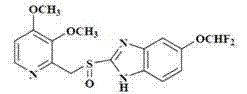
The Limitations of Conventional Methods vs. The Novel Approach
The Limitations of Conventional Methods
Historically, the chlorination of 3-methoxy-2-methyl-4-pyrone to form the target pyridine derivative has relied heavily on the use of substantial excesses of phosphorus oxychloride (POCl3) acting as both solvent and reagent. In traditional protocols, once the reaction reaches completion, the removal of this excess reagent presents a significant engineering bottleneck. Conventional workup procedures typically involve vacuum distillation or direct neutralization with ice water and alkali. These methods are inherently inefficient; distillation is energy-intensive and risks thermal degradation of the sensitive intermediate, while aqueous neutralization generates massive volumes of highly acidic wastewater containing phosphate salts. This not only escalates environmental compliance costs but also complicates the isolation of the product, often leading to variable yields due to emulsion formation during extraction. Furthermore, the inability to recover the excess POCl3 represents a direct loss of raw material value, negatively impacting the overall cost reduction in pharmaceutical intermediates manufacturing.
The Novel Approach
The methodology disclosed in CN103483248A fundamentally reengineers the post-reaction workup by introducing a strategic quenching step using dimethylformamide (DMF). Instead of destroying the excess phosphorus oxychloride, this innovative process reacts it with DMF to generate a Vilsmeier reagent complex. This chemical transformation alters the physical properties of the mixture, allowing for a clean phase separation where the Vilsmeier by-product settles as a distinct lower organic layer. This approach effectively eliminates the need for energy-heavy distillation or wasteful aqueous neutralization of the bulk reagent. The upper layer, containing the desired chlorinated intermediate, can then be subjected to mild hydrolysis. This paradigm shift not only simplifies the operational workflow but also creates a secondary revenue stream or internal utility from the Vilsmeier by-product. For supply chain heads, this translates to a more robust process with fewer unit operations and significantly reduced effluent treatment burdens, ensuring greater continuity in high-purity pharmaceutical intermediates supply.
Mechanistic Insights into DMF-Mediated Phosphorus Oxychloride Trapping
The core innovation lies in the nucleophilic interaction between DMF and the electrophilic phosphorus center of the excess POCl3. Upon cooling the reaction mixture to 0-40°C, the oxygen atom of the DMF attacks the phosphorus, displacing chloride ions and forming a stable iminium salt complex known as the Vilsmeier reagent. This reaction is exothermic and must be controlled to prevent side reactions, which is why the patent specifies a controlled addition and stirring period of 1-4 hours. The formation of this complex is crucial because it renders the phosphorus species immiscible with the subsequent aqueous hydrolysis phase. Unlike free POCl3, which violently hydrolyzes to phosphoric acid and HCl upon contact with water, the Vilsmeier complex remains stable in the organic phase during the initial separation. This stability allows operators to physically decant or separate the waste/by-product layer before introducing water, thereby preventing the generation of heat and acid at the point of product isolation. This mechanistic finesse is what enables the high purity and yield reported in the examples.
Impurity control is further managed through precise thermal regulation during the hydrolysis stage. The patent dictates a hydrolysis temperature range of -5-30°C, with preferred embodiments operating near 0°C. At these low temperatures, the kinetics of hydrolysis for the chloropyridine intermediate are slowed sufficiently to prevent over-hydrolysis or decomposition of the methoxy groups, which are susceptible to acid-catalyzed cleavage. By maintaining the pH between 8-12 during the final neutralization using alkali solutions like sodium hydroxide or ammonia, any residual acidic species are gently neutralized without inducing thermal spikes that could degrade the product. This rigorous control over the reaction environment ensures that the impurity profile remains within tight specifications, a critical requirement for any reliable pharmaceutical intermediates supplier serving regulated markets. The result is a product that requires minimal downstream purification, streamlining the path to commercial scale-up of complex pharmaceutical intermediates.
How to Synthesize 4-Chloro-3-Methoxy-2-Methyl-4-Pyridine Efficiently
Implementing this synthesis route requires careful attention to the stoichiometric ratios and thermal profiles outlined in the patent data. The process begins with the addition of 3-methoxy-2-methyl-4-pyrone to excess phosphorus oxychloride, followed by a controlled heating phase to drive the chlorination to completion. Once the addition reaction is verified, the critical DMF trapping step is initiated at reduced temperatures to ensure safe and effective by-product formation. Following phase separation, the hydrolysis must be conducted under strictly controlled cold conditions to preserve product integrity. The detailed standardized synthesis steps below outline the specific parameters for reagent addition, temperature ramps, and workup procedures necessary to replicate the high yields observed in the patent examples. Adhering to these protocols is essential for achieving the theoretical mass yields exceeding 95%.
- Conduct the addition reaction between 3-methoxy-2-methyl-4-pyrone and excess phosphorus oxychloride at 60-100°C for 4-10 hours to form the chlorinated intermediate.
- Cool the mixture to 0-40°C and add DMF to react with excess phosphorus oxychloride, generating a separable Vilsmeier reagent by-product layer.
- Separate the layers and hydrolyze the upper organic layer in ice water at -5-30°C, adjusting pH to 8-12 before extraction and distillation.
Commercial Advantages for Procurement and Supply Chain Teams
From a commercial perspective, this synthesis route offers profound advantages that extend beyond simple yield improvements. The integration of the DMF trapping mechanism fundamentally alters the cost structure of the manufacturing process by converting a waste disposal cost into a potential value recovery opportunity. Traditional methods incur significant expenses related to the treatment of acidic wastewater and the loss of unreacted phosphorus oxychloride. By contrast, this novel approach minimizes effluent volume and complexity, leading to substantial cost savings in waste management and regulatory compliance. Additionally, the simplification of the workup procedure reduces the total cycle time per batch, enhancing facility throughput without requiring capital investment in new equipment. For procurement managers, this means a more stable pricing model that is less susceptible to fluctuations in waste disposal fees and raw material inefficiencies.
- Cost Reduction in Manufacturing: The elimination of vacuum distillation for POCl3 recovery removes a major energy consumption step from the process. Furthermore, the generation of the Vilsmeier reagent as a separable by-product means that the excess reagent is not merely wasted but transformed into a usable chemical entity. This dual benefit of energy saving and by-product valorization drives down the overall cost of goods sold. The reduction in aqueous waste volume also lowers the operational expenditure associated with effluent treatment plants. Consequently, the process achieves a leaner manufacturing footprint, allowing for competitive pricing strategies in the global market for high-purity pharmaceutical intermediates.
- Enhanced Supply Chain Reliability: The reliance on commodity chemicals such as DMF and phosphorus oxychloride ensures that raw material sourcing remains robust and unaffected by niche supply constraints. The simplified process flow, characterized by fewer unit operations and milder conditions, reduces the risk of batch failures due to equipment malfunction or operator error. This operational stability is critical for maintaining consistent delivery schedules. By reducing the complexity of the synthesis, the lead time for high-purity pharmaceutical intermediates can be significantly shortened, providing downstream API manufacturers with greater flexibility in their production planning and inventory management.
- Scalability and Environmental Compliance: The mild reaction conditions and the absence of extreme vacuum or high-temperature distillation steps make this process highly amenable to scale-up from pilot plant to multi-ton production. The inherent safety of the DMF trapping method, which avoids the violent exotherms associated with direct water quenching of POCl3, aligns with modern process safety management standards. Moreover, the drastic reduction in acidic wastewater generation supports corporate sustainability goals and facilitates easier permitting in regions with strict environmental regulations. This ensures long-term viability and continuity of supply for partners seeking a sustainable and compliant manufacturing partner.
Frequently Asked Questions (FAQ)
The following questions address common technical and commercial inquiries regarding the implementation of this synthesis technology. They are derived from the specific pain points identified in prior art and the beneficial effects claimed in the patent documentation. Understanding these nuances is essential for technical teams evaluating the feasibility of adopting this route for commercial production. The answers provided reflect the mechanistic realities and operational benefits described in the intellectual property.
Q: How does the new synthesis method improve environmental compliance compared to traditional routes?
A: Traditional methods neutralize excess phosphorus oxychloride with ice water, generating large volumes of acidic wastewater. This novel approach traps the excess reagent with DMF to form a valuable Vilsmeier by-product, significantly reducing acid waste generation and treatment costs.
Q: What are the critical temperature controls required for high-yield production?
A: The process requires precise thermal management across three stages: addition at 60-100°C, DMF trapping at 0-40°C, and crucially, hydrolysis at -5-30°C. Maintaining low temperatures during hydrolysis prevents degradation and ensures optimal product recovery.
Q: Can the Vilsmeier reagent by-product be utilized commercially?
A: Yes, the phase separation step isolates the Vilsmeier reagent in the lower organic layer. This by-product is a valuable reagent for other Vilsmeier-Haack reactions, allowing for potential internal reuse or external sale, further enhancing process economics.
Partnering with NINGBO INNO PHARMCHEM: Your Reliable 4-Chloro-3-Methoxy-2-Methyl-4-Pyridine Supplier
At NINGBO INNO PHARMCHEM, we recognize the critical role that high-quality intermediates play in the successful commercialization of life-saving medications like Pantoprazole. Our technical team possesses extensive experience scaling diverse pathways from 100 kgs to 100 MT/annual commercial production, ensuring that the transition from laboratory innovation to industrial reality is seamless. We are committed to maintaining stringent purity specifications through our rigorous QC labs, guaranteeing that every batch of 4-chloro-3-methoxy-2-methyl-4-pyridine meets the exacting standards required for GMP API synthesis. Our infrastructure is designed to support the complex thermal and separation requirements of advanced chlorination chemistries, providing a secure foundation for your supply chain.
We invite you to collaborate with us to optimize your sourcing strategy for this key building block. Our experts are ready to provide a Customized Cost-Saving Analysis tailored to your specific volume requirements and logistical needs. Please contact our technical procurement team to request specific COA data and route feasibility assessments. By partnering with us, you gain access to a supply chain that prioritizes both technical excellence and commercial efficiency, ensuring your production timelines are met with precision and reliability.