
Advanced DOPO Manufacturing: Enhancing Purity and Scalability for Global Supply Chains
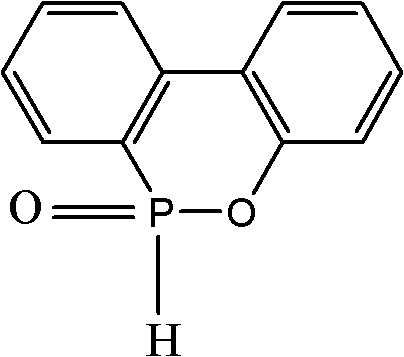
The global demand for halogen-free flame retardants has surged in recent years, driven by stringent environmental regulations and the electronics industry's shift towards safer materials. At the forefront of this transition is 9,10-dihydro-9-oxa-10-phosphaphenanthrene-10-oxide, commonly known as DOPO, a critical organophosphorus intermediate utilized extensively in the manufacturing of circuit cards, semiconductor sealing materials, and advanced plastics. A pivotal advancement in the production of this essential chemical is detailed in patent CN102229624B, which outlines a robust synthesis and purification process designed to overcome the historical limitations of high energy consumption and complex operational requirements. This technical breakthrough offers a pathway to produce high-purity DOPO with a purity specification of greater than or equal to 99% and a yield exceeding 88%, marking a significant leap forward for manufacturers seeking reliability and efficiency. By eliminating the need for high-vacuum apparatuses and optimizing reaction temperatures, this methodology not only enhances product quality but also streamlines the supply chain for downstream applications in the electronic and polymer sectors.
The Limitations of Conventional Methods vs. The Novel Approach
The Limitations of Conventional Methods
Historically, the conventional industrial synthesis of DOPO has been plagued by significant operational complexities, primarily stemming from the reliance on high-vacuum distillation apparatuses to drive the cyclodehydration of the intermediate HPPA. This legacy approach necessitates rigorous equipment specifications capable of maintaining deep vacuums, which not only escalates capital expenditure but also introduces substantial energy consumption penalties due to the high temperatures required to facilitate the reaction under such conditions. Furthermore, the thermal stress imposed on the reaction mixture often triggers undesirable side reactions, leading to a compromised impurity profile that demands extensive downstream purification efforts, thereby eroding overall process efficiency and economic viability. The complexity of operating high-vacuum systems also introduces potential points of failure, which can disrupt production schedules and compromise the consistency of the final product quality, posing a risk to supply chain stability for major electronics manufacturers.
The Novel Approach
In stark contrast to these traditional challenges, the novel approach described in the patent introduces a streamlined methodology that operates effectively without the burden of high-vacuum equipment, thereby drastically simplifying the processing conditions. By utilizing a controlled heating rate and a specific three-stage addition protocol for phosphorus trichloride, the reaction temperature is maintained within an optimal range of 158°C to 175°C, which effectively suppresses the generation of side products. The process employs azeotropic distillation for the dehydration and cyclization of HPPA, a technique that improves production efficiency while allowing for the recycling of aromatic organic solvents, thus reducing environmental pollution and operational costs. This shift from vacuum-dependent distillation to atmospheric or near-atmospheric azeotropic removal of water represents a fundamental improvement in process engineering, ensuring that the target product DOPO is obtained with superior outward appearance and minimized foreign matter content.
Mechanistic Insights into ZnCl2-Catalyzed Phosphorylation and Cyclization
The core of this synthetic route lies in the precise management of the phosphorylation step, where 2-phenylphenol reacts with phosphorus trichloride in the presence of anhydrous zinc chloride as a Lewis acid catalyst. The mechanism involves the initial formation of a chloro-phospho hetero phenanthrene intermediate (CDOP), which is critically dependent on the molar ratio of phosphorus trichloride to ortho-phenylphenol being maintained between 1.2:1 and 1.5:1. The innovation here is the strategic division of phosphorus trichloride addition: initially adding 70% to 85% at normal temperatures, followed by subsequent additions at 105°C to 130°C and finally at 140°C to 155°C. This staged addition prevents localized exotherms and ensures a uniform reaction environment, which is essential for maximizing the conversion to the CDOP liquid while minimizing the formation of polymeric byproducts or unreacted starting materials that could complicate subsequent purification stages.
Following the formation of CDOP, the mechanism transitions to hydrolysis and cyclodehydration, where the control of impurities is paramount for achieving the specified >=99% purity. The hydrolysis step converts the chloro-intermediate into 2'-Hydroxybiphenyl-2-phosphonic acid (HPPA) using water and an alcohol organic solvent, followed by crystallization which acts as a primary purification barrier. The subsequent cyclodehydration utilizes a metal salt catalyst, such as ferric chloride or zinc sulfate, in an aromatic solvent to facilitate the ring closure via water removal. The use of a water trap allows for the continuous removal of the byproduct water through azeotropic distillation, driving the equilibrium towards the formation of the stable P-O-C ring structure of DOPO without subjecting the molecule to the harsh thermal degradation associated with high-vacuum distillation, thus preserving the integrity of the final flame retardant intermediate.
How to Synthesize DOPO Efficiently
The synthesis of DOPO via this patented route offers a reproducible framework for manufacturing facilities aiming to upgrade their production capabilities. The process is divided into four distinct operational phases: the synthesis of the CDOP intermediate, the hydrolysis to HPPA, the catalytic cyclodehydration, and the final solvent purification. Each step is optimized for safety and yield, utilizing readily available raw materials such as 2-phenylphenol and phosphorus trichloride, alongside common industrial solvents like ethanol, toluene, and petroleum ether. The detailed standardized synthesis steps below outline the specific parameters required to replicate the high yields and purity levels reported in the patent documentation, serving as a guideline for process engineers.
- Synthesize CDOP by reacting 2-phenylphenol with phosphorus trichloride and anhydrous zinc chloride, adding PCl3 in three distinct portions at controlled temperatures between 158°C and 175°C.
- Hydrolyze the CDOP liquid with water and an alcohol organic solvent, refluxing at 86°C to 108°C to precipitate 2'-Hydroxybiphenyl-2-phosphonic acid (HPPA) crystals.
- Perform cyclodehydration on HPPA using an aromatic solvent and metal salt catalyst with azeotropic distillation to remove water and form the DOPO ring structure.
- Purify the crude DOPO solid by washing with an aliphatic hydrocarbon organic solvent and suction filtering to obtain white crystal powders with high purity.
Commercial Advantages for Procurement and Supply Chain Teams
For procurement managers and supply chain directors, the adoption of this synthesis technology translates into tangible strategic benefits that extend beyond simple chemical yield. By eliminating the requirement for high-vacuum distillation equipment, the process significantly reduces the capital intensity of the manufacturing setup, allowing for more flexible deployment of production assets. The simplification of the operational workflow means that the dependency on specialized, high-maintenance vacuum systems is removed, which inherently lowers the risk of unplanned downtime and ensures a more consistent supply of the flame retardant intermediate to downstream customers. This robustness is critical for maintaining the continuity of supply chains in the volatile electronics and polymer markets, where delays in raw material delivery can have cascading effects on final product assembly lines.
- Cost Reduction in Manufacturing: The elimination of high-vacuum apparatuses and the reduction in energy consumption associated with lower reaction temperatures lead to a substantial decrease in overall production costs. By avoiding the expensive and energy-intensive high-vacuum distillation steps required in conventional methods, manufacturers can realize significant operational savings that can be passed down the supply chain. Furthermore, the ability to recycle aromatic organic solvents used in the cyclodehydration step contributes to a more sustainable and cost-effective process, reducing the volume of waste solvent that requires treatment or disposal and lowering the total cost of ownership for the manufacturing facility.
- Enhanced Supply Chain Reliability: The simplified processing conditions and the use of robust, standard equipment enhance the reliability of the supply chain by minimizing technical barriers to production. Since the process does not rely on fragile high-vacuum systems that are prone to leaks and maintenance issues, the likelihood of production interruptions is drastically reduced. This stability ensures that buyers of high-purity flame retardant intermediates can rely on consistent delivery schedules, mitigating the risks associated with supply shortages that often plague the specialty chemicals market during periods of high demand or raw material volatility.
- Scalability and Environmental Compliance: The process is inherently scalable due to its reliance on standard reflux and filtration operations rather than complex vacuum distillation columns, making it easier to ramp up production from pilot scale to commercial tonnage. Additionally, the reduction in side reactions and the efficient recycling of solvents align with increasingly strict environmental regulations, reducing the facility's environmental footprint. The lower energy consumption and reduced waste generation make this method an attractive option for companies aiming to meet sustainability goals while expanding their capacity to produce complex organophosphorus compounds for the global market.
Frequently Asked Questions (FAQ)
The following questions address common technical and commercial inquiries regarding the implementation of this DOPO synthesis technology. These insights are derived directly from the patent specifications and are intended to clarify the operational advantages and quality benchmarks associated with this method. Understanding these details is crucial for technical teams evaluating the feasibility of integrating this process into their existing manufacturing portfolios or for procurement specialists assessing the quality assurance protocols of their suppliers.
Q: Does this DOPO synthesis process require high-vacuum equipment?
A: No, unlike conventional methods that rely on high-vacuum distillation for cyclodehydration, this patented process utilizes azeotropic distillation with a water trap, significantly reducing equipment complexity and energy consumption.
Q: What purity and yield levels can be achieved with this method?
A: The optimized process consistently achieves a DOPO purity of greater than or equal to 99% and a yield of greater than or equal to 88%, effectively minimizing impurity content compared to traditional routes.
Q: How does the three-stage addition of phosphorus trichloride benefit the reaction?
A: Dividing the phosphorus trichloride addition into three portions allows for precise temperature control between 158°C and 175°C, which suppresses side reactions and improves the overall selectivity of the CDOP intermediate formation.
Partnering with NINGBO INNO PHARMCHEM: Your Reliable DOPO Supplier
As the global market for halogen-free flame retardants continues to expand, partnering with a manufacturer that possesses deep technical expertise in advanced synthesis routes is essential for securing a competitive edge. NINGBO INNO PHARMCHEM stands at the forefront of this industry, leveraging extensive experience scaling diverse pathways from 100 kgs to 100 MT/annual commercial production to deliver consistent, high-quality results. Our commitment to excellence is underpinned by stringent purity specifications and rigorous QC labs that ensure every batch of DOPO meets the exacting standards required for high-performance applications in semiconductors and advanced polymers. We understand that the reliability of your supply chain depends on the precision of our chemistry, and we are dedicated to providing a seamless partnership that supports your long-term growth objectives.
We invite you to engage with our technical procurement team to discuss how our optimized manufacturing capabilities can support your specific project requirements. By requesting a Customized Cost-Saving Analysis, you can gain a clearer understanding of the economic benefits of switching to our high-efficiency supply model. We encourage potential partners to contact us directly to obtain specific COA data and route feasibility assessments, ensuring that our solutions are perfectly aligned with your technical specifications and commercial goals for the upcoming fiscal year.