
Advanced Grignard Synthesis of Fluorinated Benzyl Alcohols for Commercial Scale-Up
The landscape of fine chemical manufacturing is constantly evolving, driven by the need for safer, more cost-effective synthetic routes for critical intermediates. Patent CN1503772A introduces a transformative methodology for the production of benzyl alcohols, specifically those substituted with fluoro- or chloro-alkyl groups, which are pivotal building blocks in the synthesis of advanced pharmaceuticals and agrochemicals. This technology addresses long-standing industrial challenges by replacing hazardous reducing agents and expensive noble metal catalysts with a robust Grignard-based protocol. By utilizing readily available aryl chlorides instead of costly aryl bromides, this process offers a compelling value proposition for supply chain optimization. The core innovation lies in the activation of magnesium using lower haloalkanes, enabling the efficient conversion of low-reactivity aryl chlorides into high-value alcohol intermediates. For R&D directors and procurement managers alike, this represents a significant opportunity to enhance process safety while drastically reducing raw material costs in the production of fluorinated intermediates.
The Limitations of Conventional Methods vs. The Novel Approach
The Limitations of Conventional Methods
Historically, the synthesis of benzyl alcohols, particularly those bearing electron-withdrawing groups like trifluoromethyl, has relied on methodologies that are fraught with industrial disadvantages. One prominent conventional route involves the reduction of corresponding benzoic acids using lithium aluminum hydride (LiAlH4). While chemically effective on a small scale, LiAlH4 is notoriously pyrophoric and poses severe safety risks when handled in large quantities, making it unsuitable for modern, safety-conscious manufacturing facilities. Another established method employs palladium-catalyzed carbonylation of aryl bromides in the presence of sodium formate. This approach suffers from two major economic bottlenecks: the high cost of aryl bromide starting materials compared to their chloride counterparts, and the necessity of recovering expensive palladium catalysts to maintain process economics. Furthermore, alternative routes involving alpha-bromostyrenes introduce additional cost burdens due to the premium pricing of these specialized vinyl halides. These legacy methods collectively hinder the ability to achieve cost reduction in agrochemical intermediate manufacturing and pharmaceutical precursor synthesis.
The Novel Approach
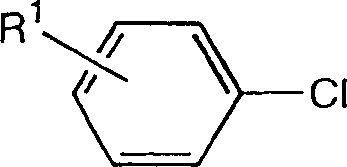
The methodology disclosed in CN1503772A circumvents these obstacles through a clever manipulation of Grignard chemistry. Instead of relying on inherently reactive but expensive aryl bromides, the process utilizes inexpensive aryl chlorides. The key breakthrough is the in-situ activation of magnesium metal using lower haloalkanes, such as ethyl bromide or 2-bromopropane. This activation step dramatically increases the reactivity of the magnesium surface, allowing it to insert into the carbon-chlorine bond of the aryl chloride efficiently. Once the Grignard reagent is formed, it is reacted directly with formaldehyde or its polymers (paraformaldehyde) to yield the target benzyl alcohol. This route eliminates the need for transition metal catalysts entirely and avoids the safety hazards associated with strong hydride reducers. By shifting the feedstock to aryl chlorides, manufacturers can access a broader, cheaper supply base, thereby securing a more resilient supply chain for high-purity benzyl alcohols.
Mechanistic Insights into Mg-Activated Grignard Formation
The heart of this technological advancement lies in the mechanistic details of how magnesium is activated to overcome the kinetic barrier of aryl chloride oxidative addition. In standard Grignard formation, aryl chlorides are often sluggish due to the strength of the C-Cl bond compared to C-Br or C-I bonds. The patent elucidates that the presence of a lower haloalkane acts as a chemical initiator. When magnesium is heated in the presence of a solvent like tetrahydrofuran (THF) and a small amount of a lower haloalkane (e.g., 1,2-dibromoethane or ethyl bromide), the haloalkane reacts rapidly with the magnesium surface. This reaction cleans the oxide layer off the magnesium and generates highly reactive sites, effectively 'etching' the metal to increase its surface area and electronic availability. This activated magnesium species is then capable of inserting into the aryl chloride bond at moderate temperatures (20-70°C), forming the organomagnesium intermediate (Formula III) with high efficiency. This mechanism ensures that the reaction proceeds smoothly without requiring extreme thermal conditions that could degrade sensitive functional groups.
Impurity control is another critical aspect of this mechanism, particularly regarding moisture sensitivity. Grignard reagents are notoriously sensitive to water, which can quench the reagent and form hydrocarbon byproducts, lowering the overall yield. The patent emphasizes the importance of pre-drying the paraformaldehyde and conducting the reaction under an inert atmosphere (nitrogen or argon). By strictly controlling the water content, the process minimizes the formation of dehalogenated side products (where the Grignard reagent simply picks up a proton instead of reacting with formaldehyde). Furthermore, the optional addition of bases such as triethylamine or alkali metal alkoxides during the formaldehyde addition step helps to stabilize the transition state and suppress side reactions. This rigorous control over the reaction environment ensures that the final benzyl alcohol product meets the stringent purity specifications required for downstream pharmaceutical applications, reducing the burden on purification steps like distillation or chromatography.
How to Synthesize 4-Trifluoromethylbenzyl Alcohol Efficiently
The synthesis of 4-trifluoromethylbenzyl alcohol serves as a prime example of the utility of this patented process. This compound is a valuable intermediate for various bioactive molecules. The procedure begins with the careful preparation of the magnesium slurry in THF, followed by the activation step using a catalytic amount of a lower haloalkane. Once the exotherm indicates activation, the aryl chloride (4-chlorobenzotrifluoride) is introduced to form the Grignard species. Subsequently, paraformaldehyde is added in a controlled manner to manage the exothermic nature of the addition. The detailed standardized synthetic steps, including specific molar ratios, temperature profiles, and workup procedures described in the patent examples, provide a robust blueprint for replication. For a comprehensive guide on executing this synthesis with maximum yield and safety, please refer to the standardized protocol below.
- Activate magnesium metal by heating and pulverizing under inert gas, then react with a lower haloalkane (e.g., ethyl bromide) in a solvent like THF to initiate reactivity.
- Add the aryl chloride substrate (e.g., 4-chlorobenzotrifluoride) to the activated magnesium mixture to form the corresponding Grignard reagent under reflux conditions.
- React the formed Grignard reagent with paraformaldehyde or formaldehyde gas at controlled temperatures (20-70°C), followed by acidic hydrolysis and purification.
Commercial Advantages for Procurement and Supply Chain Teams
For procurement managers and supply chain heads, the adoption of this Grignard-based methodology offers tangible strategic benefits that extend beyond simple chemistry. The primary advantage is the drastic simplification of the raw material portfolio. By switching from aryl bromides to aryl chlorides, companies can leverage the global abundance and lower price point of chlorinated aromatics. This shift not only reduces the direct cost of goods sold (COGS) but also mitigates supply risk, as aryl chlorides are commodity chemicals produced by numerous vendors worldwide. Additionally, the elimination of palladium catalysts removes the complexity and cost associated with metal recovery and residue testing, which is a significant regulatory hurdle in pharmaceutical manufacturing. The process operates under relatively mild conditions without the need for high-pressure equipment or cryogenic cooling, further lowering capital expenditure (CAPEX) and operational expenditure (OPEX) requirements for plant operations.
- Cost Reduction in Manufacturing: The economic impact of replacing aryl bromides with aryl chlorides cannot be overstated. Aryl chlorides are typically significantly less expensive than their brominated analogues due to the lower cost of chlorine sources and more mature manufacturing processes. Furthermore, the avoidance of lithium aluminum hydride eliminates the need for specialized safety infrastructure and hazardous waste disposal protocols associated with pyrophoric materials. The process also avoids the use of expensive transition metals like palladium, removing the financial burden of catalyst procurement and the technical challenge of ensuring low metal residues in the final API. These factors combine to deliver substantial cost savings across the entire production lifecycle, making the final intermediate more competitive in the global market.
- Enhanced Supply Chain Reliability: Supply chain resilience is bolstered by the use of universally available reagents. Magnesium metal, THF, and lower haloalkanes are bulk commodities with stable supply lines, unlike specialized catalysts or niche brominated starting materials which may be subject to geopolitical or logistical disruptions. The robustness of the reaction conditions—operating effectively at temperatures between 20°C and 70°C—means that the process can be run in a wide variety of standard reactor setups without requiring custom engineering. This flexibility allows for easier technology transfer between manufacturing sites and ensures continuity of supply even if one facility faces downtime. The ability to source raw materials from multiple qualified suppliers reduces the risk of single-source dependency.
- Scalability and Environmental Compliance: From an environmental and scalability perspective, this route is highly favorable. The reaction generates fewer hazardous byproducts compared to reduction methods using metal hydrides. The solvent system (primarily THF or ethers) is well-understood and can be efficiently recovered and recycled, minimizing waste generation. The absence of heavy metals simplifies the wastewater treatment profile, aiding in compliance with increasingly strict environmental regulations. Moreover, the process is inherently scalable; the exotherms are manageable, and the reagents are compatible with large-scale batch processing. This makes the commercial scale-up of complex fluorinated intermediates feasible and safe, allowing manufacturers to respond quickly to market demand surges without compromising on quality or safety standards.
Frequently Asked Questions (FAQ)
The following questions address common technical and commercial inquiries regarding the implementation of this benzyl alcohol synthesis technology. These answers are derived directly from the experimental data and claims within patent CN1503772A, providing a factual basis for decision-making. Understanding these nuances is crucial for R&D teams evaluating the feasibility of adopting this route for their specific pipeline candidates. The answers cover aspects of raw material selection, safety protocols, and potential yield optimizations.
Q: Why is the aryl chloride route preferred over aryl bromides for benzyl alcohol synthesis?
A: According to patent CN1503772A, aryl chlorides are significantly cheaper and more readily available than aryl bromides. While chlorides are less reactive, the use of lower haloalkanes to activate magnesium overcomes this barrier, offering substantial cost reduction in manufacturing without compromising yield.
Q: How does this method improve safety compared to lithium aluminum hydride reductions?
A: Conventional methods often utilize lithium aluminum hydride (LiAlH4), which poses severe fire hazards and handling risks on an industrial scale. The Grignard-based approach described in the patent operates under controlled reflux conditions in solvents like THF, eliminating the need for pyrophoric reducing agents and enhancing overall process safety.
Q: Can this process be scaled for commercial production of fluorinated intermediates?
A: Yes, the process is designed for scalability. It utilizes common industrial solvents (THF, ether) and avoids expensive noble metal catalysts (like Palladium). The reaction temperatures (0-150°C) and pressures are manageable, making it highly suitable for the commercial scale-up of complex fluorinated intermediates used in agrochemicals and pharmaceuticals.
Partnering with NINGBO INNO PHARMCHEM: Your Reliable 4-Trifluoromethylbenzyl Alcohol Supplier
At NINGBO INNO PHARMCHEM, we recognize the critical importance of efficient, safe, and scalable synthetic routes in the modern chemical industry. The technology outlined in CN1503772A aligns perfectly with our commitment to delivering high-value intermediates through innovative process chemistry. As a leading CDMO partner, we possess extensive experience scaling diverse pathways from 100 kgs to 100 MT/annual commercial production. Our facilities are equipped with state-of-the-art reactors capable of handling Grignard chemistry safely, complete with rigorous QC labs that ensure every batch meets stringent purity specifications. We understand that transitioning to a new synthetic route requires confidence in the partner's technical capability, and our track record in managing complex organometallic reactions underscores our readiness to support your supply needs.
We invite you to explore how this cost-effective Grignard route can optimize your supply chain for fluorinated benzyl alcohols. Our technical team is prepared to conduct a Customized Cost-Saving Analysis tailored to your specific volume requirements and quality standards. We encourage you to contact our technical procurement team to request specific COA data for our reference standards and to discuss route feasibility assessments for your projects. Let us collaborate to bring safer, more economical chemical solutions to your pipeline, ensuring reliability and performance at every stage of your manufacturing process.