
Revolutionizing Alkylated Intermediate Production with Heterogeneous Cobalt Catalysis for Commercial Scale
The pharmaceutical and fine chemical industries are constantly seeking robust methodologies to construct carbon-carbon bonds, particularly for introducing alkyl and fluoroalkyl groups which are critical for modulating the lipophilicity and metabolic stability of drug candidates. Patent CN110944965A introduces a groundbreaking heterogeneous cobalt-catalyzed process that addresses long-standing inefficiencies in alkylation reactions. This technology utilizes a specialized Co-L1/C catalyst, where cobalt is supported on carbon with 1,10-phenanthroline ligands, enabling the efficient production of alkylated, fluoroalkylated, chloroalkylated, and fluorochloroalkylated compounds. Unlike traditional methods that rely on homogeneous catalysis, this invention offers a pathway to high-purity intermediates with simplified downstream processing. For R&D directors and procurement specialists, this represents a pivotal shift towards more sustainable and cost-effective manufacturing protocols that do not compromise on yield or selectivity. The ability to functionalize a wide range of substrates, including aromatics and heterocycles, under relatively mild conditions underscores the versatility of this approach in modern synthetic organic chemistry.
The Limitations of Conventional Methods vs. The Novel Approach
The Limitations of Conventional Methods
Historically, the synthesis of alkylated and haloalkylated compounds has relied heavily on homogeneous catalytic systems, often employing expensive noble metals such as platinum or palladium. These conventional processes suffer from significant drawbacks that hinder their application in large-scale industrial settings. The primary issue lies in the difficulty of separating the catalyst from the reaction mixture, which often requires complex purification steps that increase both time and operational costs. Furthermore, homogeneous catalysts typically utilize structurally complex and costly ligands that are not readily available in bulk quantities, creating supply chain bottlenecks. The inability to recover and reuse these precious metal catalysts leads to substantial material waste and elevated production expenses. Additionally, many traditional methods are restricted to using alkyl iodides as coupling partners, which are not only more expensive than bromides but also generate iodine-containing by-products that are environmentally challenging to dispose of. These factors collectively limit the economic viability and scalability of conventional alkylation technologies for high-volume pharmaceutical intermediate manufacturing.
The Novel Approach
The innovative method disclosed in the patent data overcomes these barriers by employing a heterogeneous cobalt-based catalyst system that is both robust and economically superior. By utilizing Co-L1/C, the process eliminates the need for noble metals, drastically reducing the raw material costs associated with catalyst procurement. The heterogeneous nature of the catalyst allows for straightforward separation via filtration, enabling the catalyst to be recovered and reused without significant loss of activity, which is a critical advantage for continuous manufacturing processes. Moreover, this system exhibits remarkable compatibility with alkyl bromides, offering a cheaper and more atom-economical alternative to iodides while maintaining high selectivity and yield. The reaction conditions are adaptable, functioning effectively under both solvent-free neat conditions and in various organic solvents, providing flexibility for process optimization. This novel approach not only streamlines the synthetic route but also aligns with green chemistry principles by minimizing waste and energy consumption, making it an ideal candidate for the commercial scale-up of complex fine chemical intermediates.
Mechanistic Insights into Heterogeneous Cobalt-Catalyzed Alkylation
The core of this technological advancement lies in the unique structure and reactivity of the Co-L1/C catalyst, which facilitates the activation of alkyl halides through a heterogeneous radical mechanism. The catalyst consists of cobalt oxide species supported on carbon black, coordinated with 1,10-phenanthroline ligands, creating active sites that are accessible to substrates while remaining immobilized on the solid support. This configuration prevents the leaching of metal into the solution, ensuring that the final product meets stringent purity specifications required for pharmaceutical applications. The reaction proceeds through the generation of alkyl radicals from the halide reagent, which then attack the electron-rich aromatic or heteroaromatic substrates. The presence of the base, such as cesium carbonate, plays a crucial role in neutralizing the acid by-products and driving the equilibrium towards the desired alkylated compound. The system's ability to tolerate a wide array of functional groups, including esters, nitriles, and ethers, demonstrates its chemoselectivity and robustness.
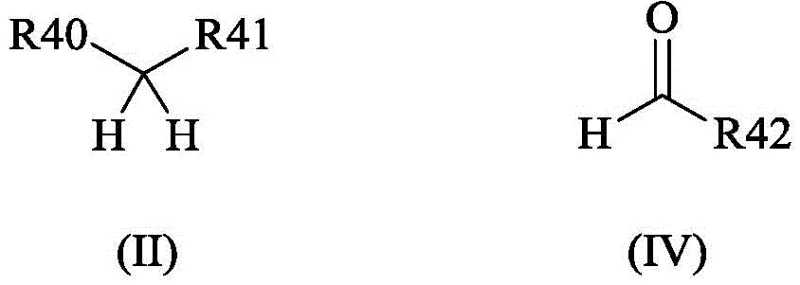
As illustrated in the structural diagrams, the process accommodates a diverse range of substrate architectures, from simple benzene derivatives to complex fused heterocyclic systems. The versatility extends to the alkylating agents, where perfluoroalkyl, chloroalkyl, and standard alkyl chains can be introduced with precision. This breadth of scope is essential for medicinal chemists who require rapid access to diverse analog libraries for structure-activity relationship studies. The mechanism ensures that even sterically hindered substrates can undergo functionalization efficiently, overcoming limitations seen in electrophilic aromatic substitution. Furthermore, the use of a solid support minimizes the risk of metal contamination, a common pain point in API synthesis where residual heavy metals must be kept below ppm levels. The combination of high turnover numbers and ease of separation makes this catalytic system a powerful tool for constructing valuable chemical building blocks used in agrochemicals and advanced materials.
How to Synthesize Alkylated Compounds Efficiently
Implementing this synthesis route requires careful attention to catalyst preparation and reaction parameters to maximize yield and selectivity. The standardized protocol involves mixing the substrate with the alkyl halide and base in the presence of the Co-L1/C catalyst, followed by heating under an inert atmosphere. Detailed operational guidelines regarding temperature ranges, pressure settings for gaseous reagents, and workup procedures are critical for reproducibility. For research teams looking to adopt this methodology, understanding the nuances of catalyst loading and solvent selection is key to optimizing the process for specific target molecules. The following section outlines the procedural framework derived from the patent examples to assist in laboratory validation and process development.
- Prepare the heterogeneous catalyst Co-L1/C by supporting 1,10-phenanthroline cobalt on carbon black and calcining under inert atmosphere.
- Mix the substrate (aromatic or heterocyclic compound) with the alkyl halide reagent and a base such as cesium carbonate in a suitable solvent or under neat conditions.
- Heat the reaction mixture under inert gas pressure at temperatures between 70°C to 150°C, then isolate the product via filtration and chromatography.
Commercial Advantages for Procurement and Supply Chain Teams
From a commercial perspective, the adoption of this heterogeneous cobalt-catalyzed technology offers transformative benefits for procurement managers and supply chain leaders focused on cost efficiency and reliability. The shift from noble metal catalysts to earth-abundant cobalt significantly reduces the direct material costs associated with catalytic reagents, which can be a major expense in multi-step syntheses. Additionally, the ability to use alkyl bromides instead of iodides lowers the cost of raw materials and simplifies waste management protocols, as bromide salts are generally easier to handle and dispose of than their iodide counterparts. The heterogeneous nature of the catalyst enhances supply chain resilience by enabling catalyst recovery and reuse, thereby reducing the frequency of catalyst procurement and mitigating risks associated with metal price volatility. These factors collectively contribute to a more stable and predictable manufacturing cost structure.
- Cost Reduction in Manufacturing: The elimination of expensive noble metals like platinum and the replacement of costly alkyl iodides with bromides results in substantial cost savings across the production lifecycle. The reusable nature of the heterogeneous catalyst further amortizes the initial investment over multiple batches, driving down the cost per kilogram of the final intermediate. This economic efficiency is achieved without sacrificing reaction performance, ensuring that cost reductions do not come at the expense of quality or yield.
- Enhanced Supply Chain Reliability: By utilizing widely available cobalt and standard organic reagents, the process reduces dependency on scarce precious metals that are subject to geopolitical supply risks. The robustness of the catalyst allows for consistent performance over extended periods, minimizing batch-to-batch variability and ensuring reliable delivery schedules for downstream customers. This stability is crucial for maintaining continuous production lines in the pharmaceutical and agrochemical sectors where interruptions can be costly.
- Scalability and Environmental Compliance: The simplified workup procedure involving filtration rather than complex extraction or chromatography facilitates easier scale-up from laboratory to pilot and commercial plants. The reduction in hazardous waste generation, particularly from heavy metal residues and iodine by-products, aligns with increasingly stringent environmental regulations. This compliance reduces the burden on waste treatment facilities and lowers the overall environmental footprint of the manufacturing process, enhancing the corporate sustainability profile.
Frequently Asked Questions (FAQ)
To address common technical and commercial inquiries regarding this alkylation technology, we have compiled a set of questions based on the patent specifications and practical application scenarios. These answers provide clarity on catalyst performance, substrate compatibility, and process safety, helping stakeholders make informed decisions about integrating this method into their existing workflows. Understanding these details is essential for evaluating the feasibility of this approach for specific project requirements and ensuring alignment with quality standards.
Q: What are the primary advantages of using heterogeneous cobalt catalysts over homogeneous noble metal systems?
A: Heterogeneous cobalt catalysts eliminate the need for expensive noble metals like platinum and simplify the separation process, allowing for catalyst reuse and significantly reducing metal contamination in the final pharmaceutical intermediate.
Q: Can this alkylation process accommodate bromide reagents instead of iodides?
A: Yes, the patented Co-L1/C system demonstrates high selectivity and yield even when using alkyl bromides, which are more cost-effective and generate less problematic waste compared to traditional alkyl iodides.
Q: Is this method scalable for industrial production of fine chemical intermediates?
A: The process is designed for scalability, utilizing robust heterogeneous catalysis that supports filtration and reuse, making it highly suitable for commercial scale-up of complex pharmaceutical intermediates without the limitations of homogeneous systems.
Partnering with NINGBO INNO PHARMCHEM: Your Reliable Alkylated Compounds Supplier
At NINGBO INNO PHARMCHEM, we recognize the strategic value of advanced catalytic technologies in delivering high-quality chemical intermediates to the global market. Our team of experts possesses extensive experience scaling diverse pathways from 100 kgs to 100 MT/annual commercial production, ensuring that innovative laboratory methods like the heterogeneous cobalt-catalyzed alkylation are successfully translated into robust industrial processes. We maintain stringent purity specifications and operate rigorous QC labs to guarantee that every batch of alkylated or fluoroalkylated compounds meets the exacting standards required by top-tier pharmaceutical and agrochemical companies. Our commitment to technical excellence allows us to navigate the complexities of scale-up while preserving the efficiency and selectivity demonstrated in the original patent data.
We invite procurement leaders and R&D directors to collaborate with us to optimize their supply chains and reduce manufacturing costs through the adoption of this cutting-edge chemistry. By requesting a Customized Cost-Saving Analysis, you can gain insights into how implementing this cobalt-catalyzed route can improve your margin structures. We encourage you to contact our technical procurement team to obtain specific COA data and route feasibility assessments tailored to your target molecules. Let us partner with you to engineer solutions that drive efficiency and innovation in your chemical manufacturing operations.
Engineering Bottleneck?
Can't scale up this synthesis? Upload your target structure or CAS, and our CDMO team will evaluate the industrial feasibility within 24 hours. Request Evaluation →