
Revolutionizing Carbamate Production: A Green Enzymatic Route for Industrial Scale-Up
Revolutionizing Carbamate Production: A Green Enzymatic Route for Industrial Scale-Up
The global demand for high-purity carbamate intermediates, essential for pharmaceuticals, agrochemicals, and advanced materials, has long been constrained by the environmental and safety hazards of traditional synthesis methods. Patent CN112481319A introduces a transformative green synthesis methodology that replaces toxic phosgene and harsh metal-catalyzed processes with a highly efficient, enzyme-catalyzed aminolysis route. This innovation addresses critical industry pain points, including catalyst deactivation, difficult product separation, and the generation of hazardous byproducts. By utilizing dialkyl carbonates as safe carbonyl sources and leveraging the specificity of biological enzymes, this technology offers a sustainable pathway for the commercial production of carbamates. As a leading partner in fine chemical manufacturing, we recognize this patent as a pivotal shift towards greener chemistry that aligns with modern regulatory standards and cost-efficiency goals.
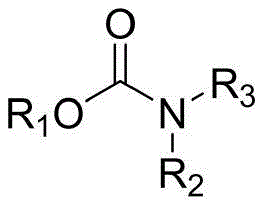
The Limitations of Conventional Methods vs. The Novel Approach
The Limitations of Conventional Methods
Historically, the industrial synthesis of carbamate compounds has relied heavily on the reaction of amines and alcohols with virulent phosgene, a method fraught with severe safety risks and environmental liabilities. The phosgene route not only requires specialized, corrosion-resistant equipment due to the generation of hydrochloric acid byproducts but also poses significant challenges in removing residual chlorine from the final product, which is unacceptable for pharmaceutical applications. Alternative non-phosgene methods, such as nitro-reductive carbonylation or urea alcoholysis, have attempted to mitigate these risks but often suffer from their own limitations, including low CO utilization rates, the need for high-temperature and high-pressure conditions, and the rapid deactivation of transition metal catalysts. Furthermore, these conventional processes frequently result in complex reaction mixtures that necessitate energy-intensive separation and purification steps, driving up operational expenditures and extending production lead times for critical intermediates.
The Novel Approach
In stark contrast to these legacy technologies, the novel approach detailed in CN112481319A utilizes a mild, enzyme-catalyzed aminolysis of dialkyl carbonates to construct the carbamate backbone. This method operates at moderate temperatures ranging from 25°C to 60°C and atmospheric pressure, eliminating the need for expensive high-pressure reactors and the associated safety infrastructure. By employing biological enzymes such as lipase PS-CI or immobilized variants on porous supports, the reaction achieves high selectivity and conversion rates without the formation of toxic heavy metal residues. The process design inherently simplifies downstream processing; the solid immobilized catalyst can be recovered via simple filtration, and the byproduct alcohols can be distilled off or recycled, leading to a streamlined workflow that significantly reduces the overall manufacturing footprint and waste generation compared to traditional multi-step syntheses.
Mechanistic Insights into Enzyme-Catalyzed Aminolysis
The core of this technological breakthrough lies in the precise mechanistic action of the biological enzyme catalyst, which facilitates the nucleophilic attack of the amino donor on the carbonyl carbon of the dialkyl carbonate. Unlike metal catalysts that rely on coordination chemistry which can be poisoned by impurities, the enzyme's active site provides a specific microenvironment that stabilizes the transition state, lowering the activation energy required for the aminolysis reaction. The patent highlights the use of immobilized enzymes, where the biocatalyst is anchored onto solid-phase porous materials such as polystyrene skeletons or chitosan composite hydrogels. This immobilization not only enhances the thermal and operational stability of the enzyme, allowing it to withstand the reaction conditions for extended periods (4 to 48 hours), but also prevents the enzyme from dissolving into the product stream, thereby ensuring the high purity of the final carbamate compound without the need for complex protein removal steps.
Furthermore, the reaction mechanism benefits from the tunable nature of the enzymatic system, where parameters such as pH and solvent polarity can be optimized to maximize yield and minimize side reactions. The use of solvents like toluene, tetrahydrofuran, or even supercritical carbon dioxide allows for the effective dissolution of organic substrates while maintaining enzyme activity. The subsequent workup procedure involves a straightforward pH adjustment to neutrality followed by concentration and solvent exchange, which effectively separates the target carbamate from unreacted starting materials and byproduct alcohols. This high level of control over the reaction environment ensures that impurity profiles remain exceptionally clean, a critical factor for R&D directors managing the quality specifications of drug substances and agrochemical active ingredients.
How to Synthesize Methyl Carbamate Efficiently
The synthesis protocol outlined in the patent provides a robust framework for producing methyl carbamate and its derivatives with high efficiency and reproducibility. The process begins with the preparation of the reaction mixture, where dimethyl carbonate serves as the carbonyl source and ammonia or amines act as the nitrogen donors in the presence of the immobilized lipase catalyst. The reaction proceeds under gentle stirring at controlled temperatures, typically around 45°C, ensuring optimal enzyme performance while preventing thermal degradation of sensitive functional groups. Following the reaction period, the heterogeneous catalyst is filtered off for potential reuse, and the filtrate undergoes a series of purification steps involving solvent addition and pH neutralization to isolate the pure product. For a detailed breakdown of the specific reagent ratios, solvent choices, and operational parameters required to replicate this high-yield process, please refer to the standardized synthesis guide below.
- Mix dialkyl carbonate, solvent, immobilized enzyme catalyst, and amino donor in a reactor at room temperature.
- Stir the reaction mixture at 25-60°C for 4 to 48 hours to allow enzymatic aminolysis to proceed.
- Filter to recover the catalyst, adjust pH to neutral, concentrate, and purify via solvent extraction to obtain high-purity carbamate.
Commercial Advantages for Procurement and Supply Chain Teams
For procurement managers and supply chain heads, the adoption of this enzymatic synthesis route presents a compelling value proposition centered on cost reduction and supply reliability. By eliminating the need for toxic phosgene and expensive transition metal catalysts, manufacturers can significantly reduce raw material costs and avoid the substantial expenses associated with hazardous waste disposal and environmental compliance. The mild reaction conditions translate directly into lower energy consumption, as there is no requirement for high-temperature heating or high-pressure containment, leading to substantial operational cost savings over the lifecycle of the production facility. Additionally, the simplicity of the purification process reduces the consumption of auxiliary chemicals and solvents, further enhancing the economic viability of large-scale manufacturing operations.
- Cost Reduction in Manufacturing: The elimination of heavy metal catalysts removes the necessity for expensive and time-consuming metal scavenging steps, which are often required to meet strict ppm limits in pharmaceutical intermediates. This simplification of the downstream process not only lowers direct processing costs but also increases the overall throughput of the production line. Furthermore, the ability to recover and reuse the alcohol byproducts generated during the reaction contributes to a circular economy model within the plant, minimizing raw material waste and maximizing atom economy, which is a key driver for long-term cost competitiveness in the fine chemical sector.
- Enhanced Supply Chain Reliability: The reliance on stable, immobilized enzyme catalysts mitigates the risk of supply disruptions often associated with specialized metal catalysts that may have long lead times or geopolitical sourcing constraints. The robustness of the enzymatic process ensures consistent batch-to-batch quality, reducing the incidence of failed batches and the resulting delays in delivery schedules. Moreover, the use of commercially available and safe dialkyl carbonates as starting materials ensures a stable and diversified supply base, protecting the supply chain from volatility in the pricing or availability of more hazardous precursors like phosgene.
- Scalability and Environmental Compliance: This green synthesis method is inherently scalable, moving seamlessly from laboratory benchtop experiments to multi-ton commercial production without the engineering complexities of handling toxic gases. The reduction in hazardous waste generation aligns perfectly with increasingly stringent global environmental regulations, reducing the regulatory burden and liability for manufacturing sites. The high purity of the crude product achieved through this method also simplifies the final crystallization or distillation steps, facilitating faster scale-up and shorter time-to-market for new products relying on these carbamate intermediates.
Frequently Asked Questions (FAQ)
The following questions address common technical and commercial inquiries regarding the implementation of this green carbamate synthesis technology. These insights are derived directly from the experimental data and process descriptions found in the patent literature, providing a clear understanding of the operational benefits and technical feasibility for potential adopters. Understanding these details is crucial for R&D teams evaluating process changes and procurement officers assessing supplier capabilities.
Q: What are the primary advantages of using enzyme catalysts over metal catalysts for carbamate synthesis?
A: Enzyme catalysts operate under mild conditions (25-60°C) avoiding the harsh temperatures and pressures required by metal catalysts. They eliminate the risk of heavy metal contamination in the final API or intermediate, simplifying purification and ensuring compliance with strict pharmaceutical residue limits.
Q: How does this green synthesis method improve atom economy compared to traditional phosgene routes?
A: Traditional phosgene routes generate stoichiometric amounts of corrosive hydrochloric acid and require complex scrubbing systems. The enzymatic aminolysis of dialkyl carbonates produces alcohol as a byproduct, which can often be recovered and recycled, resulting in significantly higher atom utilization and reduced waste treatment costs.
Q: Can the immobilized enzyme catalyst be reused in industrial production?
A: Yes, the patent specifically describes the use of immobilized enzymes on porous materials (such as NKA-II resin or chitosan hydrogels). This solid-phase nature allows the catalyst to be easily recovered via simple filtration after the reaction, enabling multiple reuse cycles and drastically reducing catalyst consumption costs.
Partnering with NINGBO INNO PHARMCHEM: Your Reliable Carbamate Supplier
The technological advancements described in CN112481319A underscore the immense potential of biocatalysis in modernizing the production of high-value chemical intermediates. At NINGBO INNO PHARMCHEM, we possess the extensive experience scaling diverse pathways from 100 kgs to 100 MT/annual commercial production, ensuring that innovative laboratory methods are successfully translated into robust industrial processes. Our commitment to quality is unwavering, with stringent purity specifications and rigorous QC labs dedicated to verifying that every batch of carbamate intermediate meets the exacting standards required by the global pharmaceutical and agrochemical industries. We understand the critical nature of your supply chain and are equipped to handle the complexities of green chemistry manufacturing.
We invite you to collaborate with us to optimize your supply chain and leverage these cost-effective synthesis routes for your next project. Our technical team is ready to provide a Customized Cost-Saving Analysis tailored to your specific volume requirements and quality targets. We encourage you to contact our technical procurement team today to request specific COA data and route feasibility assessments, ensuring that your transition to greener, more efficient carbamate sourcing is seamless and successful.
Engineering Bottleneck?
Can't scale up this synthesis? Upload your target structure or CAS, and our CDMO team will evaluate the industrial feasibility within 24 hours. Request Evaluation →