
Revolutionizing Artemisinin Production: High-Purity Intermediate Synthesis via Diimine Hydrogenation
The global demand for effective antimalarial therapies continues to drive innovation in the synthesis of artemisinin and its precursors. Patent CN102612507A introduces a transformative methodology for preparing (2R)-dihydroartemisinic acid, a critical intermediate in the semi-synthetic production of artemisinin. This technology addresses the longstanding challenges of supply inconsistency and high production costs associated with traditional plant extraction methods. By leveraging diimine hydrogenation, manufacturers can achieve high regio- and diastereoselectivity without relying on expensive transition metal catalysts. As a reliable artemisinin intermediate supplier, understanding these mechanistic advancements is crucial for securing a stable supply chain for life-saving medications. The following analysis details how this process optimizes both chemical efficiency and commercial viability for pharmaceutical partners.
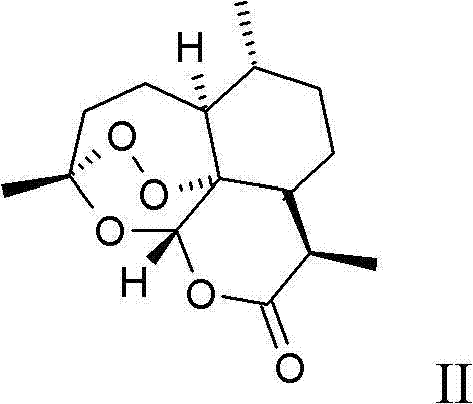
The Limitations of Conventional Methods vs. The Novel Approach
The Limitations of Conventional Methods
Historically, the reduction of artemisinic acid to dihydroartemisinic acid has been plagued by significant technical and economic hurdles. Traditional methods often employ lithium borohydride and nickel chloride, known as nickel boride, which typically yield a mixture of diastereomers with a ratio of only 85:15 favoring the desired (2R)-isomer. This insufficient stereoselectivity necessitates complex and costly purification steps to remove the unwanted (2S)-isomer, drastically impacting overall process efficiency. Furthermore, the use of large excesses of hydride reagents creates substantial safety hazards and complicates large-scale handling and waste disposal. Alternative approaches involving homogeneous catalytic hydrogenation with rhodium or ruthenium complexes are even more prohibitive due to the high cost of noble metals, the complexity of ligand recovery, and the requirement for expensive high-pressure reactor equipment operating at up to 60 bar.
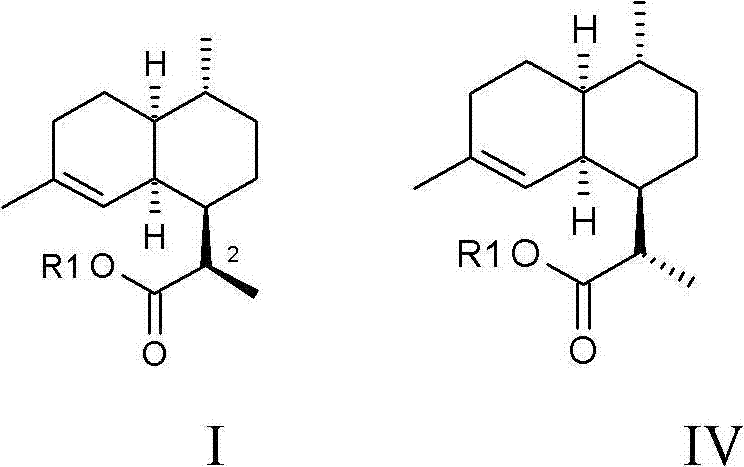
The Novel Approach
The patented process utilizes diimine (HN=NH) as a hydrogenating agent to overcome these limitations effectively. This novel approach enables the reduction of the exocyclic C=C double bond in artemisinic acid or its esters under mild conditions with exceptional stereocontrol. Unlike metal-catalyzed methods, diimine hydrogenation does not require high-pressure equipment or precious metal catalysts, significantly lowering capital expenditure and operational risks. The reaction proceeds with high regio- and diastereoselectivity, consistently producing crude products with diastereomeric ratios better than 90:10, and in optimized embodiments, reaching ratios as high as 99:1. This dramatic improvement in selectivity simplifies downstream purification, often allowing for direct crystallization of the pure product, thereby streamlining the path from raw material to high-purity API intermediate.
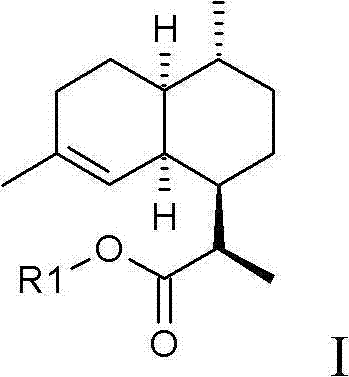
Mechanistic Insights into Diimine-Catalyzed Stereoselective Reduction
The core of this technological breakthrough lies in the unique mechanism of diimine reduction. Diimine acts as a source of molecular hydrogen that is generated in situ, typically through the oxidation of hydrazine or the decomposition of azodicarboxylates. This reactive species transfers hydrogen to the olefinic bond in a concerted syn-addition manner. The steric environment of the artemisinic acid scaffold directs this addition highly selectively to the exocyclic double bond, favoring the formation of the (2R)-configuration. The absence of transition metals eliminates the risk of metal contamination, a critical quality attribute for pharmaceutical intermediates. Furthermore, the ability to generate diimine from inexpensive precursors like hydroxylamine-O-sulfonic acid (HOSA) and bases allows for precise control over reaction kinetics, ensuring complete conversion of the starting material while minimizing side reactions.
Impurity control is inherently built into this mechanism due to the high specificity of the diimine reagent. In conventional nickel boride reductions, the lack of selectivity leads to significant formation of the (2S)-diastereomer, which is structurally similar and difficult to separate. In contrast, the diimine method leverages the specific geometry of the transition state to energetically favor the desired pathway. Post-reaction, the byproduct is typically nitrogen gas, which evolves harmlessly, leaving a clean reaction mixture. This cleanliness facilitates straightforward aqueous workups, where the product can be extracted into organic solvents like MTBE or ethyl acetate. Subsequent crystallization steps can further enhance purity to near 100%, ensuring that the final dihydroartemisinic acid meets the stringent specifications required for subsequent oxidation to artemisinin.
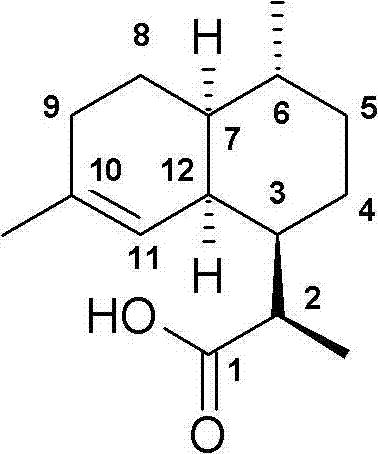
How to Synthesize Dihydroartemisinic Acid Efficiently
The synthesis of dihydroartemisinic acid via this patented route involves dissolving the starting artemisinic acid in a solvent system, often comprising methanol or ethanol, and optionally water. The diimine generating reagents, such as HOSA and a base like sodium methoxide or potassium hydroxide, are then added under controlled temperature conditions ranging from -20°C to 60°C depending on the specific embodiment. The reaction progress is monitored using RP-HPLC to ensure complete consumption of the substrate. Following the reaction, standard acidic workup and extraction protocols are employed to isolate the product. For detailed operational parameters and specific reagent quantities tailored to your production scale, please refer to the standardized synthesis steps outlined below.
- Dissolve artemisinic acid (Formula IIIa) in a suitable solvent such as methanol or ethanol, optionally with water miscible co-solvents.
- Generate diimine in situ by adding reagents such as hydroxylamine-O-sulfonic acid (HOSA) and a base, or hydrazine and hydrogen peroxide, while maintaining controlled pH and temperature.
- Monitor reaction completion via RP-HPLC, then perform aqueous workup including acidification and extraction to isolate the crude (2R)-dihydroartemisinic acid with high diastereomeric ratio.
Commercial Advantages for Procurement and Supply Chain Teams
For procurement managers and supply chain directors, the adoption of this diimine hydrogenation technology represents a strategic opportunity to optimize cost structures and mitigate supply risks. By shifting away from noble metal catalysts and high-pressure infrastructure, manufacturers can achieve substantial cost savings in antimalarial drug manufacturing. The elimination of expensive rhodium or ruthenium catalysts removes a volatile cost component from the bill of materials, while the simplified equipment requirements reduce capital depreciation and maintenance overheads. Additionally, the use of commodity chemicals like hydrazine, hydrogen peroxide, or HOSA ensures a stable and diversified supply base for reagents, reducing dependency on specialized catalyst suppliers.
- Cost Reduction in Manufacturing: The economic benefits of this process are driven primarily by the removal of high-cost inputs and complex processing steps. Without the need for precious metal catalysts, the direct material costs are significantly lowered, and the expense associated with metal scavenging and recovery systems is entirely eliminated. The high stereoselectivity reduces the loss of valuable starting material to unwanted isomers, effectively increasing the overall yield of the process without additional purification cycles. Furthermore, the mild reaction conditions allow for the use of standard glass-lined or stainless steel reactors rather than specialized high-pressure vessels, resulting in lower energy consumption and reduced safety compliance costs.
- Enhanced Supply Chain Reliability: Supply continuity is critical for meeting global health demands, and this technology enhances reliability by simplifying the raw material portfolio. The reagents required for diimine generation are widely available bulk chemicals with established global supply chains, unlike specialized chiral ligands which may have limited sources. The robustness of the reaction conditions also means that production is less susceptible to disruptions caused by equipment failure or strict environmental controls associated with heavy metal usage. This resilience ensures a more predictable lead time for high-purity pharmaceutical intermediates, allowing downstream API manufacturers to plan production schedules with greater confidence.
- Scalability and Environmental Compliance: Scaling this process from pilot to commercial production is facilitated by the simplicity of the chemistry and the ease of workup. The reaction generates nitrogen gas as the primary byproduct, which is environmentally benign, and the aqueous waste streams are easier to treat compared to those containing heavy metal residues. This aligns with increasingly stringent environmental regulations and corporate sustainability goals. The ability to crystallize the product directly from the reaction mixture simplifies isolation and drying operations, making the process highly amenable to large-scale batch or continuous manufacturing. This scalability ensures that the technology can support the massive volume requirements of the global artemisinin market without compromising on quality or environmental standards.
Frequently Asked Questions (FAQ)
The following questions address common technical and commercial inquiries regarding the implementation of this diimine hydrogenation technology. These answers are derived directly from the experimental data and embodiments described in the patent literature, providing a factual basis for evaluating process feasibility. Understanding these details helps stakeholders assess the compatibility of this method with existing manufacturing capabilities and quality assurance frameworks.
Q: What is the primary advantage of diimine hydrogenation over nickel boride reduction?
A: Diimine hydrogenation offers significantly superior stereoselectivity, achieving diastereomeric ratios better than 90:10 (up to 99:1) for the desired (2R)-isomer, compared to the 85:15 ratio typical of nickel boride methods, while eliminating toxic heavy metals.
Q: Can this process be scaled for industrial artemisinin production?
A: Yes, the patent describes methods using simple, environmentally compatible reagents and solvents that allow for industrial scale implementation, including large-scale examples yielding crystalline products with high purity.
Q: Does this method require expensive high-pressure equipment?
A: No, unlike homogeneous catalytic hydrogenation which often requires pressures up to 60 bar and noble metals, this diimine reduction proceeds under mild conditions, often at atmospheric pressure and moderate temperatures.
Partnering with NINGBO INNO PHARMCHEM: Your Reliable Dihydroartemisinic Acid Supplier
At NINGBO INNO PHARMCHEM, we recognize the critical role that high-quality intermediates play in the global fight against malaria. Our technical team possesses extensive experience scaling diverse pathways from 100 kgs to 100 MT/annual commercial production, ensuring that the transition from laboratory innovation to industrial reality is seamless. We are committed to delivering dihydroartemisinic acid with stringent purity specifications, utilizing rigorous QC labs to verify diastereomeric ratios and impurity profiles. Our facility is equipped to handle the specific solvent systems and reaction conditions required for this advanced synthesis, guaranteeing a consistent supply of material that meets international regulatory standards.
We invite potential partners to engage with our technical procurement team to discuss how this technology can be integrated into your supply chain. By requesting a Customized Cost-Saving Analysis, you can quantify the potential economic benefits specific to your operation. We encourage you to contact us for specific COA data and route feasibility assessments to validate the performance of our material against your internal benchmarks. Together, we can advance the availability of affordable and effective antimalarial treatments through superior chemical manufacturing.