
Advanced Visible Light-Promoted Synthesis of 3-Hydroxyisoindol-1-one Pharmaceutical Intermediates
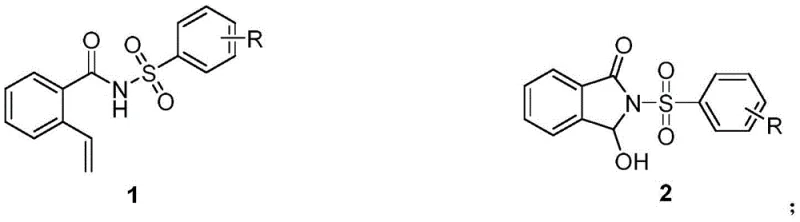
The pharmaceutical industry is constantly seeking more sustainable and cost-effective pathways for synthesizing complex heterocyclic scaffolds, particularly those serving as critical precursors for bioactive molecules. Patent CN113045479B introduces a groundbreaking methodology for the synthesis of 3-hydroxyisoindol-1-one compounds, a structural motif prevalent in numerous therapeutic agents including anti-arrhythmic drugs and immunomodulators. This technology leverages visible light photocatalysis combined with an inexpensive iron-based catalyst to drive the oxidative cyclization of substituted-2-vinylbenzamides. By shifting away from traditional harsh conditions, this innovation offers a robust platform for producing high-purity pharmaceutical intermediates. For R&D directors and procurement specialists, understanding this shift is crucial, as it represents a tangible opportunity to optimize supply chains and reduce the environmental footprint of API manufacturing processes without compromising on yield or quality standards.
The Limitations of Conventional Methods vs. The Novel Approach
The Limitations of Conventional Methods
Historically, the construction of the isoindolinone core has relied heavily on transition metal catalysis involving precious metals such as palladium, rhodium, or ruthenium, which inherently drives up the cost of goods sold (COGS) for the final active pharmaceutical ingredient. These conventional routes often necessitate stringent reaction conditions, including elevated temperatures and the use of stoichiometric amounts of hazardous reducing agents to facilitate the cyclization steps. Such requirements not only introduce significant safety risks regarding thermal runaway and chemical handling but also complicate the downstream purification processes due to the presence of heavy metal residues that must be rigorously removed to meet regulatory limits. Furthermore, the reliance on sensitive organometallic catalysts often limits the substrate scope, making it difficult to synthesize derivatives with electron-withdrawing or sterically hindered groups, thereby restricting the chemical space available for medicinal chemists during lead optimization phases.
The Novel Approach
In stark contrast, the methodology disclosed in patent CN113045479B utilizes a synergistic catalytic system comprising ferric chloride and diphenyl disulfide under visible light irradiation, effectively bypassing the need for expensive precious metals and external reducing agents. This green chemistry approach operates under mild conditions, typically at room temperature, utilizing molecular oxygen from the air as the terminal oxidant, which dramatically simplifies the reaction setup and workup procedures. The use of abundant iron salts instead of scarce precious metals fundamentally alters the economic landscape of the synthesis, offering substantial potential for cost reduction in pharmaceutical intermediate manufacturing. Additionally, the photochemical activation allows for precise control over the reaction kinetics, minimizing side reactions and improving the overall selectivity for the desired 3-hydroxyisoindol-1-one scaffold, thus ensuring a cleaner crude product profile that facilitates easier purification.

Mechanistic Insights into FeCl3-Catalyzed Visible Light Cyclization
The core of this technological advancement lies in the unique mechanistic pathway where ferric chloride acts not merely as a Lewis acid but as a pivotal component in a radical generation cycle initiated by visible light. Upon irradiation with blue LED light, the interaction between the iron catalyst and diphenyl disulfide generates thiyl radicals which subsequently add to the vinyl group of the benzamide substrate. This radical addition triggers an intramolecular cyclization cascade that constructs the five-membered lactam ring characteristic of the isoindolinone structure. The presence of molecular oxygen is critical in this mechanism, serving to regenerate the active catalytic species and oxidize the intermediate radicals to the final hydroxylated product, thereby closing the catalytic loop without the consumption of stoichiometric oxidants. This elegant mechanism ensures that the reaction proceeds with high atom economy and minimal waste generation, aligning perfectly with modern principles of sustainable chemical synthesis.
From an impurity control perspective, the mild nature of this photochemical process significantly reduces the formation of thermal degradation byproducts that are commonly observed in high-temperature metal-catalyzed reactions. The specificity of the radical addition step, guided by the electronic properties of the substrate and the catalyst system, ensures that functional groups such as halogens and trifluoromethoxy moieties remain intact throughout the transformation. This high level of chemoselectivity is paramount for R&D teams aiming to synthesize libraries of analogs for biological testing, as it guarantees that the structural integrity of the starting materials is preserved in the final products. Consequently, the resulting impurity profile is much simpler, reducing the burden on analytical laboratories and streamlining the quality control protocols required for batch release in a GMP environment.
How to Synthesize 3-Hydroxyisoindol-1-one Efficiently
To implement this synthesis effectively, one must carefully control the ratio of the vinylbenzamide substrate to the diphenyl disulfide additive, as well as the concentration of the ferric chloride catalyst, to maximize conversion rates. The patent data suggests that a molar ratio of substrate to disulfide of approximately 1:0.5 provides an optimal balance between reaction rate and reagent consumption, while maintaining the catalyst loading at around 10 mol% ensures sufficient turnover without excessive metal contamination. The choice of solvent system, specifically a mixture of acetonitrile and methanol, plays a vital role in solubilizing both the organic substrates and the inorganic catalyst, creating a homogeneous reaction medium that allows for efficient light penetration and radical propagation. Detailed standardized synthetic steps for replicating this high-efficiency route are provided in the technical guide below.
- Prepare a homogeneous solution by dissolving substituted-2-vinylbenzamide, diphenyl disulfide, and ferric chloride catalyst in a mixed solvent of acetonitrile and methanol.
- Purge the reaction vessel with oxygen gas to establish an oxidative atmosphere essential for the cyclization process.
- Irradiate the mixture with a 30W blue LED light source at room temperature while stirring until TLC indicates completion, followed by extraction and purification.
Commercial Advantages for Procurement and Supply Chain Teams
For procurement managers and supply chain heads, the adoption of this visible light-promoted synthesis route presents a compelling value proposition centered on cost stability and operational resilience. By replacing volatile precious metal catalysts with commodity-grade iron salts, manufacturers can insulate their production costs from the fluctuating market prices of rare earth elements and noble metals, leading to more predictable budgeting and long-term financial planning. The elimination of additional reducing agents further simplifies the bill of materials, reducing the number of SKUs that need to be sourced, qualified, and stored, which in turn lowers inventory holding costs and minimizes the risk of supply disruptions for critical reagents. This streamlined material requirement enhances the overall agility of the supply chain, allowing for faster response times to market demands.
- Cost Reduction in Manufacturing: The substitution of expensive palladium or rhodium catalysts with inexpensive ferric chloride results in a drastic reduction in direct material costs per kilogram of product. Since the process does not require specialized reducing agents or high-energy heating systems, the utility costs associated with the reaction are also significantly lowered. The simplified workup procedure, which involves standard extraction and chromatography, reduces the consumption of solvents and stationary phases, contributing to further operational savings. These cumulative efficiencies translate into a more competitive pricing structure for the final pharmaceutical intermediate, enhancing margin potential for downstream API producers.
- Enhanced Supply Chain Reliability: Ferric chloride and diphenyl disulfide are bulk chemicals with robust global supply chains, ensuring consistent availability and short lead times compared to specialized organometallic complexes. The reliance on common solvents like acetonitrile and methanol further mitigates the risk of raw material shortages that can plague niche chemical syntheses. This accessibility allows for the establishment of multi-vendor sourcing strategies, reducing dependency on single suppliers and strengthening the resilience of the production network against geopolitical or logistical shocks. Consequently, manufacturers can guarantee more reliable delivery schedules to their clients.
- Scalability and Environmental Compliance: The reaction conditions, being ambient temperature and pressure, are inherently safer and easier to scale from laboratory benchtop to multi-ton commercial reactors without the need for complex engineering controls. The use of visible light LEDs is energy-efficient and generates minimal heat, reducing the cooling load on manufacturing facilities and lowering the overall carbon footprint of the process. Furthermore, the absence of heavy metal waste streams simplifies effluent treatment and disposal, ensuring easier compliance with increasingly stringent environmental regulations. This green profile makes the technology highly attractive for companies aiming to meet sustainability goals and corporate social responsibility targets.
Frequently Asked Questions (FAQ)
The following questions address common technical and commercial inquiries regarding the implementation of this visible light-promoted synthesis technology. These answers are derived directly from the experimental data and beneficial effects reported in the patent literature, providing a factual basis for decision-making. Understanding these nuances is essential for technical teams evaluating the feasibility of adopting this route for their specific product pipelines. We encourage stakeholders to review these points carefully to assess the alignment with their current manufacturing capabilities and strategic objectives.
Q: What are the primary advantages of using FeCl3 over precious metal catalysts for this synthesis?
A: The use of ferric chloride (FeCl3) significantly reduces raw material costs compared to expensive precious metals like palladium or rhodium. Furthermore, FeCl3 acts synergistically with diphenyl disulfide under visible light, eliminating the need for additional reducing agents and simplifying the post-reaction purification process.
Q: Is this visible light-promoted method suitable for large-scale industrial production?
A: Yes, the method operates at room temperature using standard LED light sources and common solvents like acetonitrile and methanol. These mild conditions and the absence of harsh reagents make the process highly scalable and safer for commercial manufacturing environments compared to traditional high-temperature methods.
Q: What is the substrate scope for this 3-hydroxyisoindol-1-one synthesis?
A: The protocol demonstrates excellent tolerance for various substituents on the benzene ring, including methyl, bromo, and trifluoromethoxy groups. This broad substrate scope allows for the efficient synthesis of diverse derivatives required for structure-activity relationship (SAR) studies in drug discovery.
Partnering with NINGBO INNO PHARMCHEM: Your Reliable 3-Hydroxyisoindol-1-one Supplier
At NINGBO INNO PHARMCHEM, we recognize the transformative potential of this visible light-promoted synthesis technology in reshaping the landscape of pharmaceutical intermediate production. As a dedicated CDMO partner, we possess extensive experience scaling diverse pathways from 100 kgs to 100 MT/annual commercial production, ensuring that innovative laboratory methods are seamlessly translated into robust industrial processes. Our state-of-the-art facilities are equipped with advanced photochemical reactors and rigorous QC labs capable of meeting stringent purity specifications required by global regulatory agencies. We are committed to delivering high-quality intermediates that empower our clients to accelerate their drug development timelines with confidence.
We invite you to engage with our technical procurement team to discuss how this cost-effective synthesis route can be integrated into your supply chain. By requesting a Customized Cost-Saving Analysis, you can gain detailed insights into the economic benefits specific to your volume requirements. We are ready to provide specific COA data and route feasibility assessments to demonstrate our capability to serve as your trusted partner in the manufacture of complex heterocyclic building blocks. Let us collaborate to drive efficiency and innovation in your pharmaceutical projects.