Custom Manufacturing, Project Outsourcing, your Trusted Partner from China
In the intricate world of textile dyeing, achieving uniform color penetration, good dye exhaustion, and vibrant, lasting hues is paramount. While the dyes themselves are central, the role of auxiliary chemicals cannot be overstated. Among these, non-ionic surfactants are workhorses, contributing significantly to the efficiency and quality of the dyeing process.
Non-ionic surfactants are valued in textile dyeing for their versatile properties. Unlike their ionic counterparts, they do not carry an electrical charge, which makes them compatible with a wide range of dyes across different chemical classes and pH conditions. Their primary functions include acting as wetting agents, dispersing agents, and emulsifiers. As wetting agents, they reduce the surface tension of the dyebath, allowing the fabric to absorb water and dyestuff more evenly and quickly. This is crucial for achieving consistent shade depth and preventing uneven dyeing or barre effects.
As dispersing agents, non-ionic surfactants help to keep dye particles finely dispersed in the dyebath, preventing them from aggregating and leading to specky or patchy dyeing. They also aid in the levelling of dyes, ensuring that the color is distributed uniformly across the entire fabric surface. Furthermore, their emulsifying properties are useful when dealing with oily finishes or in formulations that require the stable mixing of immiscible substances.
When selecting a non-ionic surfactant for a specific dyeing application, factors such as the type of fiber, the dye class, the desired shade, and processing conditions (temperature, pH) are critical. Textile manufacturers often seek products that offer high performance, environmental sustainability (e.g., biodegradability, low toxicity), and cost-effectiveness. Collaborating with reputable chemical manufacturers and suppliers in China provides access to a wide array of high-quality non-ionic surfactants tailored for various textile needs.
By understanding and utilizing the right non-ionic surfactants, textile dyeing operations can achieve improved color quality, reduced processing times, and more efficient use of resources, ultimately leading to higher customer satisfaction and a stronger competitive edge in the market. Exploring options from experienced suppliers is a key step towards optimizing your dyeing operations.
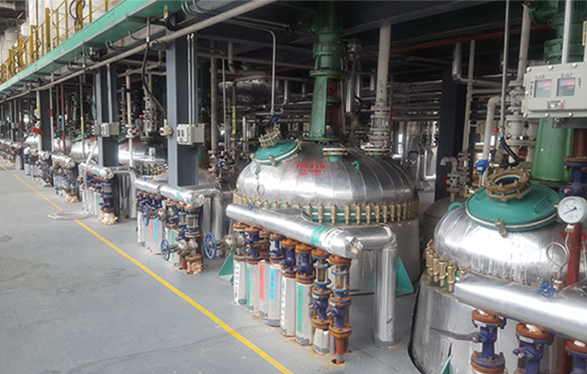
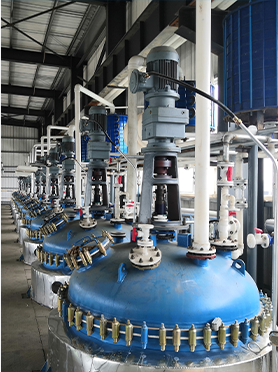
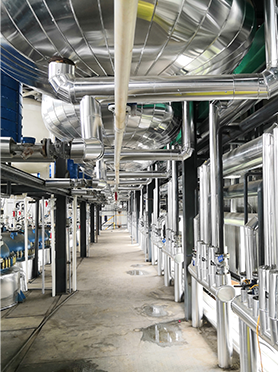
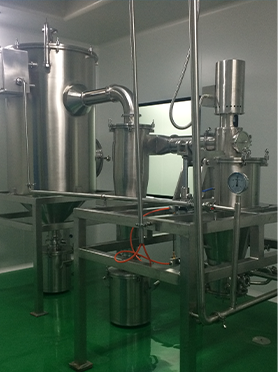
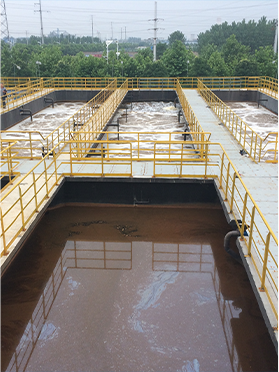
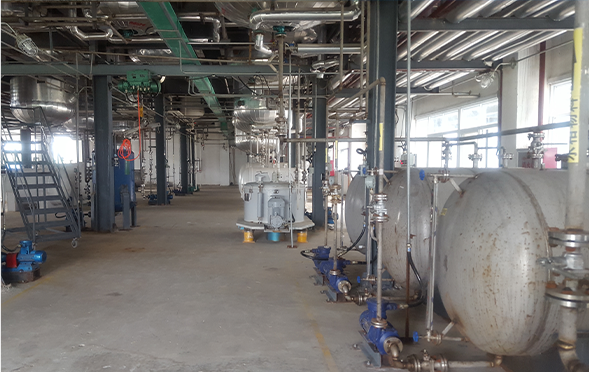
Manufacturing Facilities
Professional Export Experience
to Global Customers
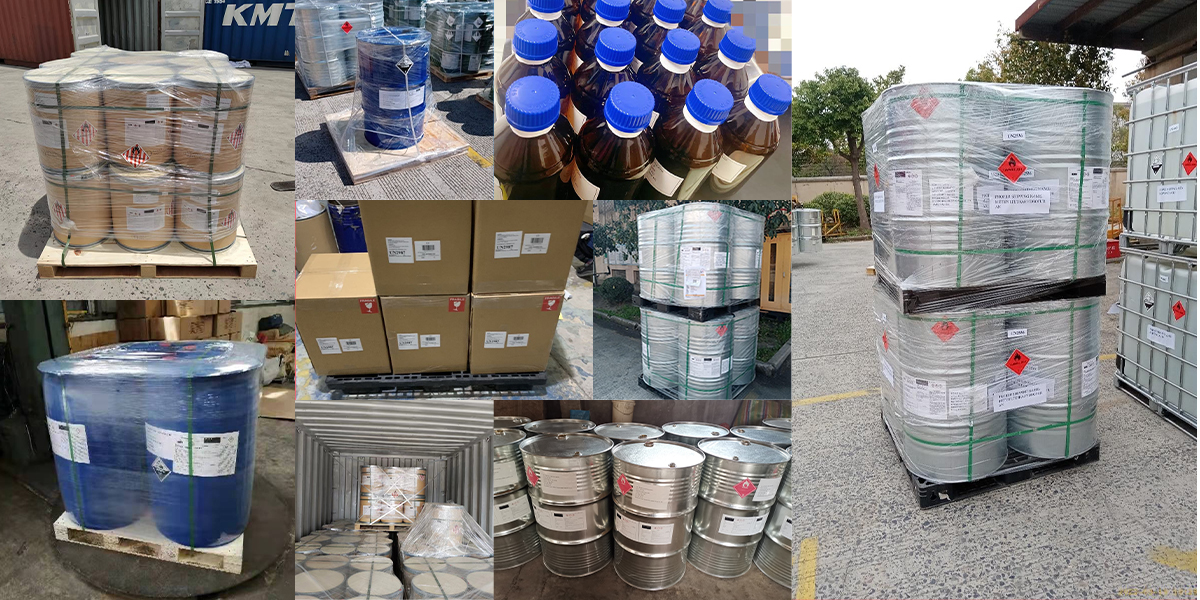
1. 20 years of R&D, manufacturing and sales experience, serving customers in 60 countries and regions around the world;
2. Own R&D laboratory, pilot platform and large-scale production workshop, which can meet the audit requirements of global customers;
3. We can satisfy customers' perfect transition from small scale lab requirements (gram level) to commercialization requirements (hundred tons level).
A: We don't have Minimum Order Quantity, exact quantity should be provided before quotation for us to calculate the exact cost.
A: We don't provide free samples due to lots of request and expensive international courier's cost, we can deduct the sample charge after commercial order placed.
A: Our payment terms: Small or sample order: T/T IN ADVANCE. Commercial order: First order should be by T/T IN ADVANCE or L/C at sight, and following orders T/T 30~90days is acceptable subject to approval of credit application.