
Custom Manufacturing, Project Outsourcing, your Trusted Partner from China
Spandex, also known as elastane or Lycra, has revolutionized the textile industry by imparting stretch and recovery to fabrics. However, these unique elastic properties also make spandex fibers susceptible to damage during various textile processing stages, such as washing, dyeing, and finishing. This is where specialized spandex protectors come into play, acting as crucial auxiliaries for manufacturers.
These protectors are typically formulated as high-concentration, non-ionic surfactants or polymer-based agents designed to shield spandex fibers from harsh chemical environments and mechanical stress. During processes like enzyme washing or high-temperature dyeing, spandex can experience degradation, loss of elasticity, or even yellowing. A good spandex protector forms a protective barrier around the fibers, mitigating these adverse effects and preserving their intended performance characteristics.
The effectiveness of a spandex protector is often measured by its ability to maintain fiber integrity, prevent shrinkage, and ensure uniform dyeing without affecting the hand feel of the fabric. Manufacturers often look for products that are not only protective but also contribute positively to the overall finishing, such as improving the visual effects or preventing undesirable dye transfer. Sourcing these chemicals from reliable suppliers and manufacturers in China offers access to competitive pricing and high-quality materials.
For companies involved in producing stretch fabrics for activewear, intimates, or denim, understanding the properties of these protective agents is key. They should inquire about the chemical composition, recommended dosage, and compatibility with other auxiliaries used in their specific processes. The pursuit of eco-friendly and biodegradable formulations is also a growing trend, pushing for greener chemical solutions in textile manufacturing.
By incorporating advanced spandex protectors, textile producers can ensure the longevity and superior performance of their stretch fabrics, meeting the high expectations of consumers and the fashion industry. Choosing the right supplier who understands these needs can be a significant advantage in achieving production excellence.
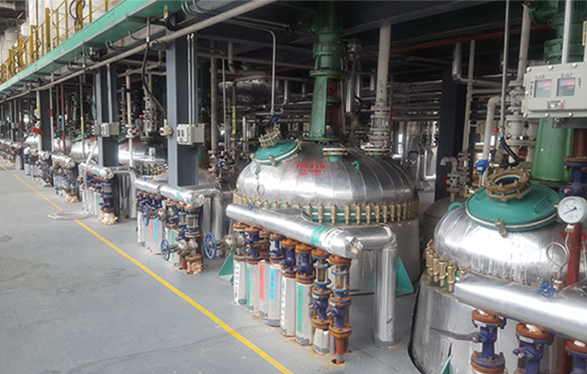
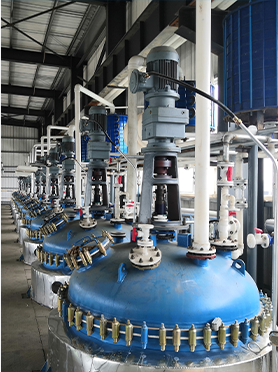
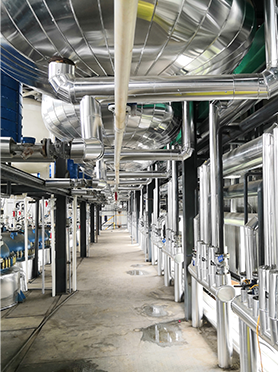
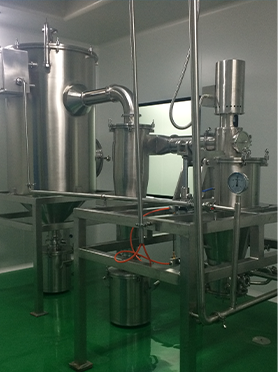
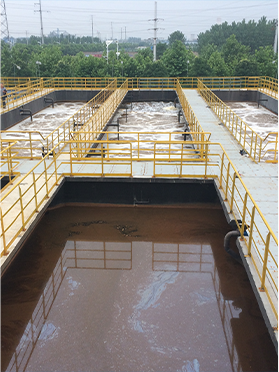
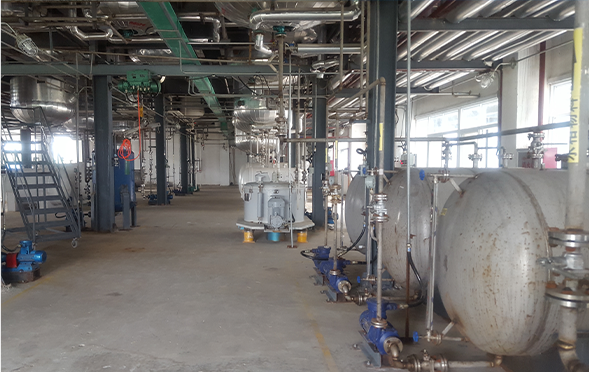
Manufacturing Facilities
Professional Export Experience
to Global Customers
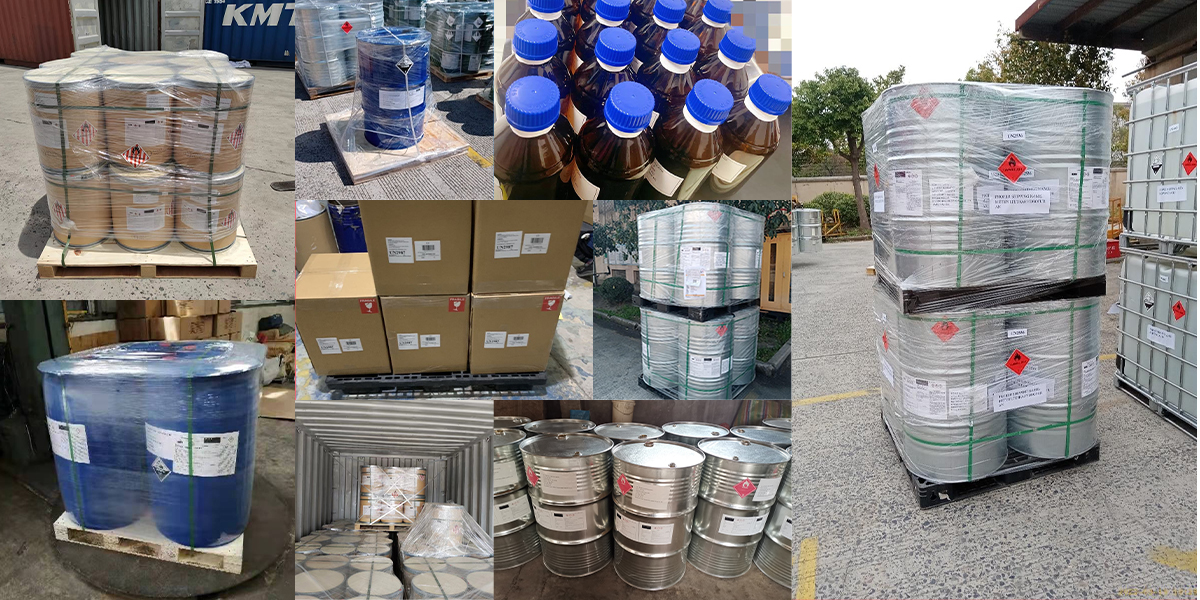
1. 20 years of R&D, manufacturing and sales experience, serving customers in 60 countries and regions around the world;
2. Own R&D laboratory, pilot platform and large-scale production workshop, which can meet the audit requirements of global customers;
3. We can satisfy customers' perfect transition from small scale lab requirements (gram level) to commercialization requirements (hundred tons level).
A: We don't have Minimum Order Quantity, exact quantity should be provided before quotation for us to calculate the exact cost.
A: We don't provide free samples due to lots of request and expensive international courier's cost, we can deduct the sample charge after commercial order placed.
A: Our payment terms: Small or sample order: T/T IN ADVANCE. Commercial order: First order should be by T/T IN ADVANCE or L/C at sight, and following orders T/T 30~90days is acceptable subject to approval of credit application.