
Custom Manufacturing, Project Outsourcing, your Trusted Partner from China
In the vast field of chemical drying and purification, the selection of an appropriate desiccant is a critical decision that impacts process efficiency, product quality, and operational costs. While numerous drying agents are available, each possesses unique properties that make them suitable for specific applications. Among the most advanced and versatile options, 3A molecular sieves have carved out a significant niche. Understanding how they stack up against other common desiccants is crucial for procurement managers and R&D scientists aiming to make informed purchasing decisions.
Understanding Desiccant Properties
The effectiveness of a desiccant is primarily determined by its adsorption capacity, selectivity, adsorption rate, regenerability, and mechanical strength. For industrial applications, the cost-effectiveness and availability from a reliable manufacturer are also key considerations.
3A Molecular Sieves: The Benchmark for Selectivity
3A molecular sieves are crystalline aluminosilicates with precisely defined pore openings of approximately 3 angstroms. Their defining characteristic is their exceptional *selectivity* for small molecules like water. This means they can effectively remove water from gas or liquid streams containing larger molecules without adsorbing the primary components. Key advantages include:
Their primary limitation is their selectivity; they cannot adsorb molecules larger than 3 angstroms. When looking to buy 3A molecular sieves, partnering with a manufacturer known for quality control is essential.
Comparison with Other Common Desiccants:
1. Silica Gel:
2. Activated Alumina:
3. 4A, 5A, and 13X Molecular Sieves:
Making the Final Decision
For applications demanding the highest purity and precise removal of water from hydrocarbons and polar solvents, 3A molecular sieves are often the superior choice due to their unmatched selectivity. However, for general humidity control or where cost is the primary driver and less stringent drying is acceptable, silica gel or activated alumina might suffice. Procurement managers and R&D scientists should consult with experienced manufacturers or suppliers to determine the most cost-effective and technically suitable desiccant for their specific process needs. When buying, always prioritize quality and consistency from a reputable supplier to ensure optimal performance and long-term reliability.
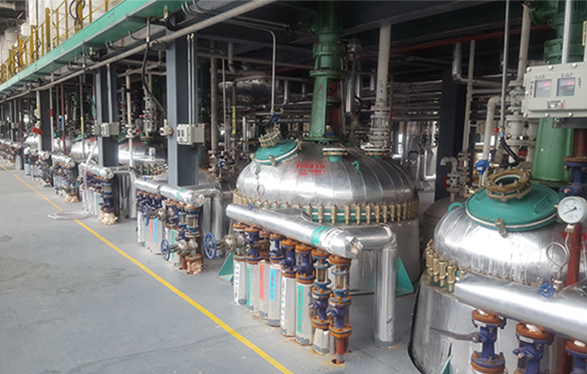
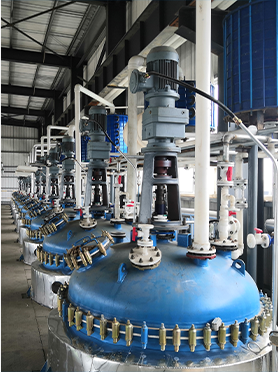
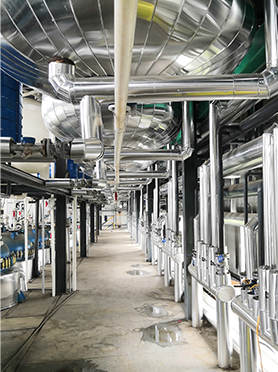
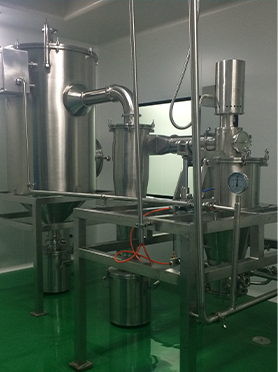
Manufacturing Facilities
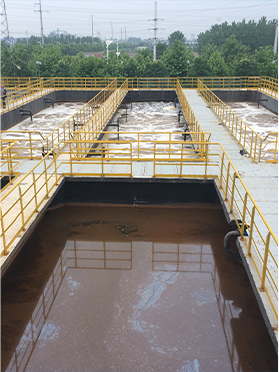
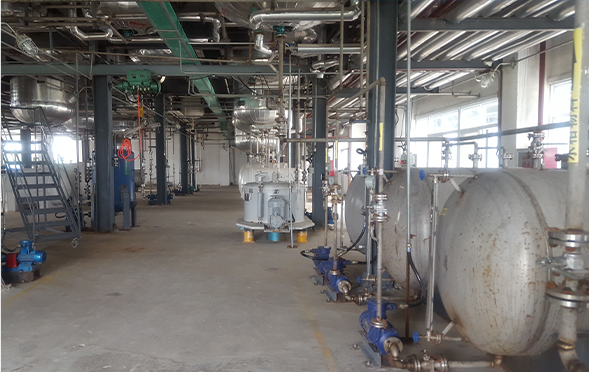
Professional Export Experience
to Global Customers
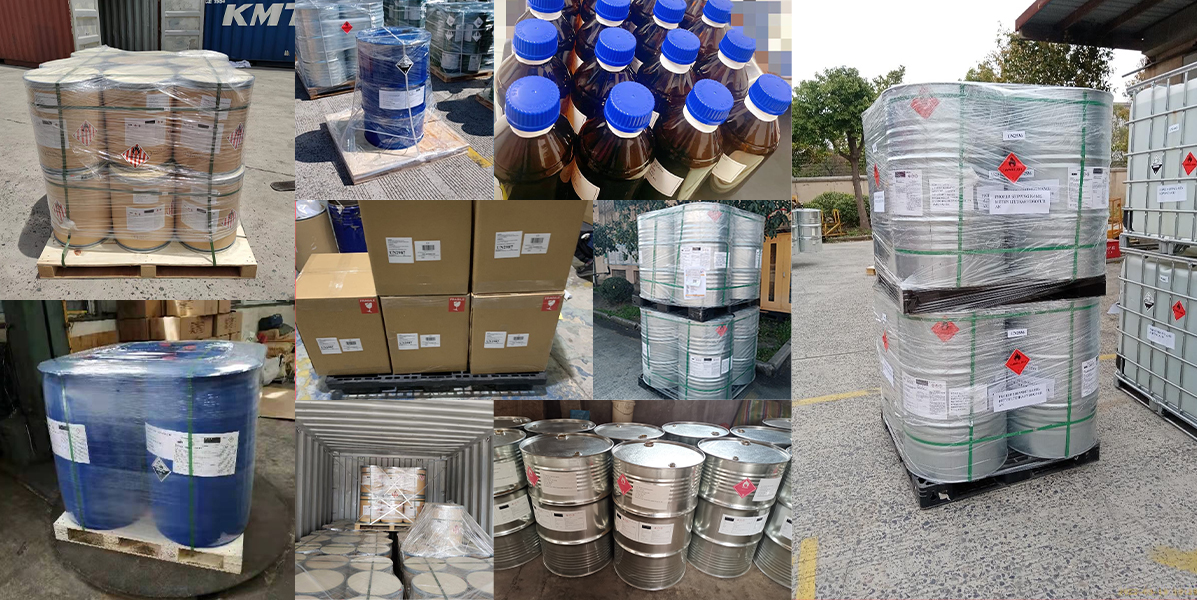
1. 20 years of R&D, manufacturing and sales experience, serving customers in 60 countries and regions around the world;
2. Own R&D laboratory, pilot platform and large-scale production workshop, which can meet the audit requirements of global customers;
3. We can satisfy customers' perfect transition from small scale lab requirements (gram level) to commercialization requirements (hundred tons level).
A: We don't have Minimum Order Quantity, exact quantity should be provided before quotation for us to calculate the exact cost.
A: We don't provide free samples due to lots of request and expensive international courier's cost, we can deduct the sample charge after commercial order placed.
A: Our payment terms: Small or sample order: T/T IN ADVANCE. Commercial order: First order should be by T/T IN ADVANCE or L/C at sight, and following orders T/T 30~90days is acceptable subject to approval of credit application.