
Custom Manufacturing, Project Outsourcing, your Trusted Partner from China
Molecular sieves are indispensable tools in a myriad of industrial processes, facilitating crucial separation and purification tasks. Their effectiveness, however, is not permanent. Like any adsorbent, molecular sieves become saturated over time and require regeneration to restore their adsorptive capacity. For users of 3A molecular sieves, understanding the regeneration process is key to maximizing efficiency, ensuring consistent performance, and achieving cost savings. This guide outlines the fundamental principles and practical considerations for industrial regeneration.
The Importance of Regeneration
Regeneration is the process of removing adsorbed contaminants from the molecular sieve, allowing it to be reused. For 3A molecular sieves, the primary adsorbed species is water. Inefficient or incomplete regeneration can lead to:
Therefore, proper regeneration techniques are paramount for any industrial operation relying on molecular sieve technology, especially when sourcing from a reputable manufacturer like us.
Regeneration Methods for 3A Molecular Sieves
The most common and effective method for regenerating 3A molecular sieves is thermal swing adsorption (TSA), which involves heating the sieve bed to drive off the adsorbed molecules. Pressure swing adsorption (PSA) can also be employed in certain systems, where a reduction in pressure facilitates desorption. For 3A sieves, the focus is typically on thermal regeneration:
Key Considerations for Industrial Regeneration:
By implementing effective regeneration strategies, users can significantly extend the service life of their 3A molecular sieves, ensuring cost-effective and reliable operation. When you buy our 3A molecular sieves, you are investing in a product designed for robust performance and efficient, long-term regeneration.
Manufacturing Facilities
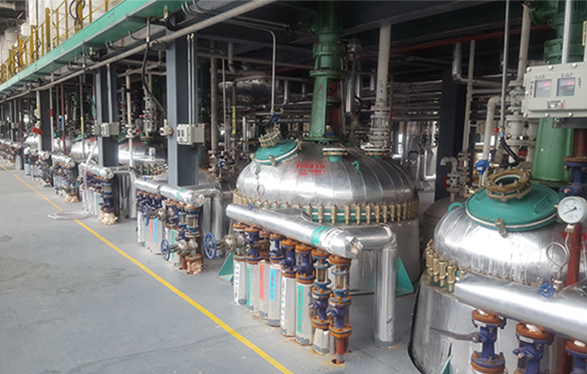
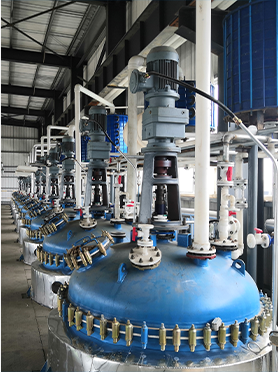
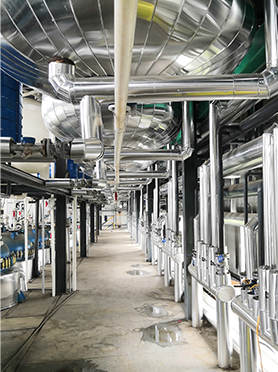
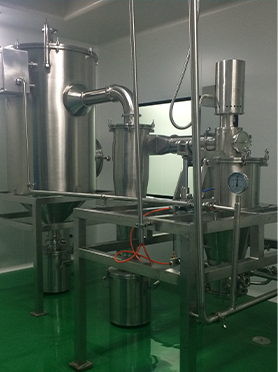
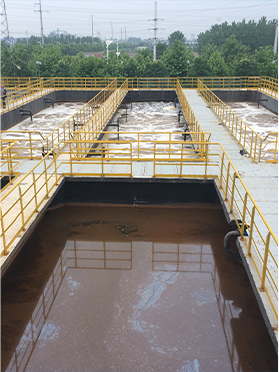
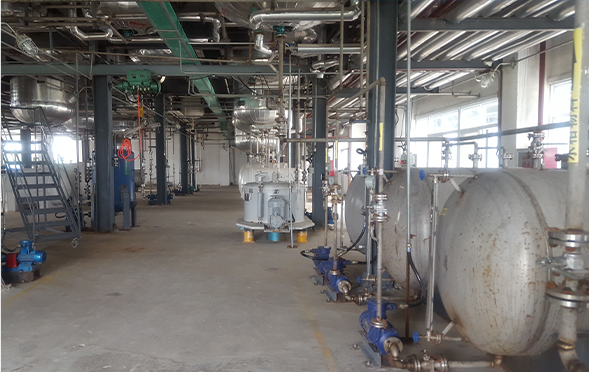
Professional Export Experience
to Global Customers
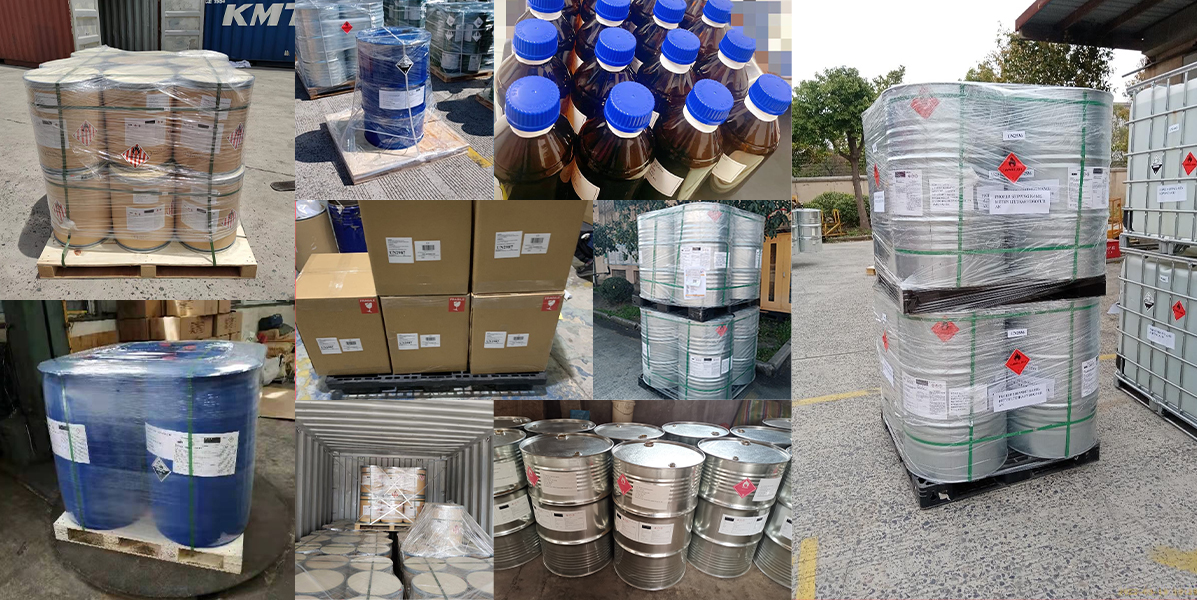
1. 20 years of R&D, manufacturing and sales experience, serving customers in 60 countries and regions around the world;
2. Own R&D laboratory, pilot platform and large-scale production workshop, which can meet the audit requirements of global customers;
3. We can satisfy customers' perfect transition from small scale lab requirements (gram level) to commercialization requirements (hundred tons level).
A: We don't have Minimum Order Quantity, exact quantity should be provided before quotation for us to calculate the exact cost.
A: We don't provide free samples due to lots of request and expensive international courier's cost, we can deduct the sample charge after commercial order placed.
A: Our payment terms: Small or sample order: T/T IN ADVANCE. Commercial order: First order should be by T/T IN ADVANCE or L/C at sight, and following orders T/T 30~90days is acceptable subject to approval of credit application.