
Custom Manufacturing, Project Outsourcing, your Trusted Partner from China
The competitive landscape of OLED technology necessitates a keen understanding of the supply chain, particularly concerning the cost and availability of key chemical intermediates like Biphenyl-4-yl-(4-carbazol-9-yl-phenyl)-amine (CPBPA). As a specialized compound crucial for the synthesis of advanced OLED materials, CPBPA pricing can be influenced by various factors, including raw material costs, production scale, purity requirements, and global market demand. For OLED manufacturers, developing effective purchasing strategies for such intermediates is vital for cost management and maintaining production efficiency.
CPBPA (CAS No. 1210470-43-1) is primarily sourced from chemical manufacturers specializing in organic electronic materials. China remains a dominant supplier for many of these compounds, offering a competitive price point due to economies of scale and an established chemical industry infrastructure. When looking to buy CPBPA, buyers will find that prices can fluctuate based on the order quantity. Bulk purchases generally lead to lower per-unit costs, making it advantageous for larger manufacturers to secure long-term supply agreements.
When evaluating CPBPA price quotes, it is essential to consider the total cost of ownership, which includes not only the base price but also shipping, import duties, and the cost associated with ensuring product quality. Insisting on a minimum purity of 97% is a non-negotiable aspect, as lower purity grades can lead to downstream product failures and increased R&D expenses to compensate for material deficiencies. Therefore, a slightly higher initial price for a guaranteed high-purity product often proves more economical in the long run.
Smart purchasing strategies for CPBPA might include:
1. Supplier Diversification: While Chinese manufacturers offer competitive pricing, having relationships with multiple reputable suppliers can mitigate supply chain risks and provide leverage during price negotiations.
2. Long-Term Contracts: For predictable demand, entering into long-term supply contracts can lock in stable pricing and ensure consistent availability of CPBPA.
3. Market Monitoring: Staying informed about market trends, raw material price fluctuations, and global demand for OLEDs can help in timing purchases effectively.
4. Requesting Samples: Always procure samples for quality verification before committing to large orders. This due diligence step is critical for ensuring the chemical meets your specific application requirements.
By adopting a strategic approach to sourcing and purchasing Biphenyl-4-yl-(4-carbazol-9-yl-phenyl)-amine, OLED manufacturers can optimize their costs and secure the high-quality intermediates necessary to drive innovation in the dynamic electronic display market.
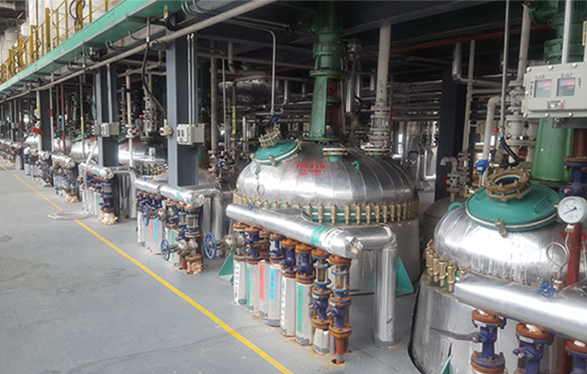
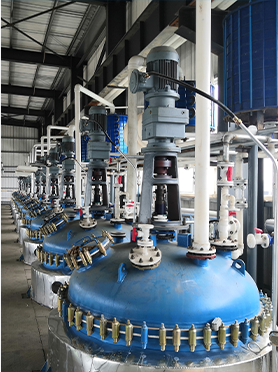
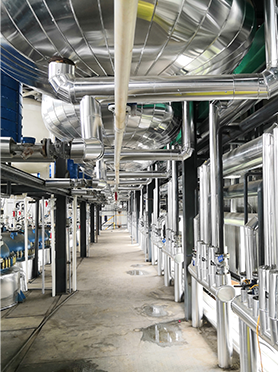
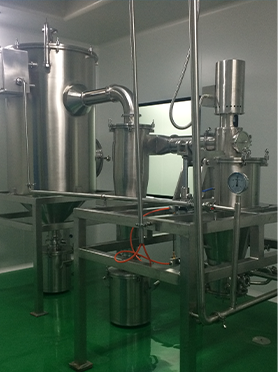
Manufacturing Facilities
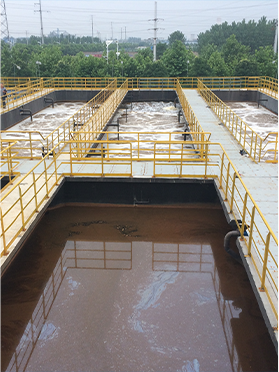
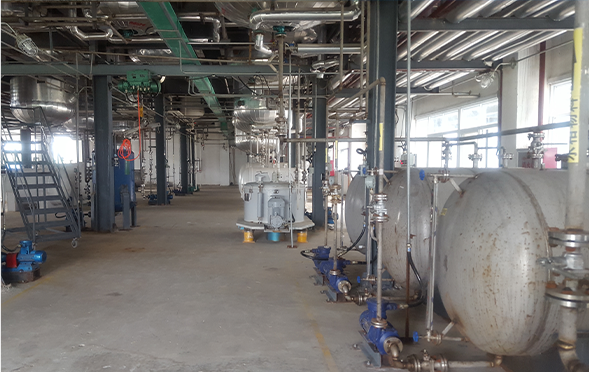
Professional Export Experience
to Global Customers
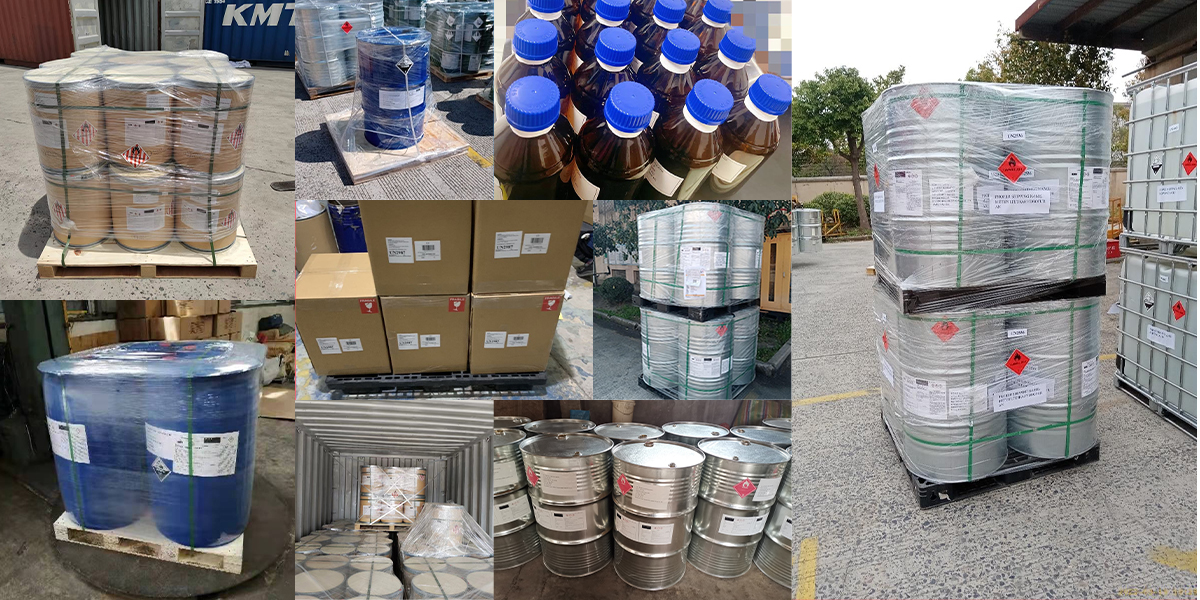
1. 20 years of R&D, manufacturing and sales experience, serving customers in 60 countries and regions around the world;
2. Own R&D laboratory, pilot platform and large-scale production workshop, which can meet the audit requirements of global customers;
3. We can satisfy customers' perfect transition from small scale lab requirements (gram level) to commercialization requirements (hundred tons level).
A: We don't have Minimum Order Quantity, exact quantity should be provided before quotation for us to calculate the exact cost.
A: We don't provide free samples due to lots of request and expensive international courier's cost, we can deduct the sample charge after commercial order placed.
A: Our payment terms: Small or sample order: T/T IN ADVANCE. Commercial order: First order should be by T/T IN ADVANCE or L/C at sight, and following orders T/T 30~90days is acceptable subject to approval of credit application.