
Custom Manufacturing, Project Outsourcing, your Trusted Partner from China
The quest for more efficient and vibrant electronic displays has led to significant advancements in organic electronics, with OLEDs at the forefront. Central to the success of OLED technology is the precise engineering of organic molecules that form its emissive and charge-transport layers. One such vital molecule is Biphenyl-4-yl-(4-carbazol-9-yl-phenyl)-amine, commonly abbreviated as CPBPA (CAS No. 1210470-43-1). Understanding its chemical properties is crucial for researchers and manufacturers aiming to leverage its capabilities.
CPBPA is characterized by its complex aromatic structure, incorporating a biphenyl moiety, a carbazole unit, and an amine linkage. This configuration imparts specific electronic and thermal properties that are highly desirable for OLED applications. The amine group, often associated with hole-transporting capabilities, coupled with the extended pi-conjugation system provided by the biphenyl and carbazole units, facilitates efficient charge injection and transport within the OLED device. Its typical appearance as a pale yellow powder is consistent with many complex organic intermediates used in advanced material synthesis.
The synthesis of CPBPA requires sophisticated chemical processes, and manufacturers strive to achieve high levels of purity to ensure optimal performance in downstream applications. A minimum purity of 97% is generally expected from reliable suppliers, which is critical for preventing charge trapping or quenching effects that can reduce the efficiency and operational lifetime of OLED devices. Buyers should always consult the Certificate of Analysis (CoA) provided by the supplier to verify the purity and identity of the compound.
As a key intermediate, CPBPA is not typically used directly in the final OLED device but serves as a precursor for more complex functional materials. Its incorporation into the synthesis route allows for the creation of molecules with tailored electronic energy levels and morphological characteristics. This makes it an invaluable component for companies looking to develop novel hole-transporting materials (HTMs), host materials for phosphorescent emitters, or electron-blocking layers.
For those looking to buy CPBPA, engaging with specialized chemical suppliers, particularly those based in China with established expertise in OLED intermediates, is advisable. These manufacturers can provide not only the required purity but also offer technical support and competitive pricing, making them ideal partners for both research institutions and commercial production facilities seeking to advance OLED technology.
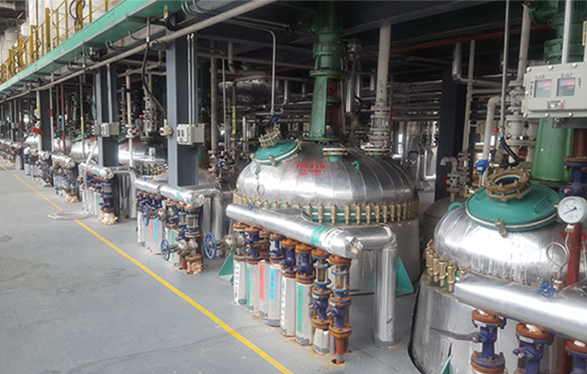
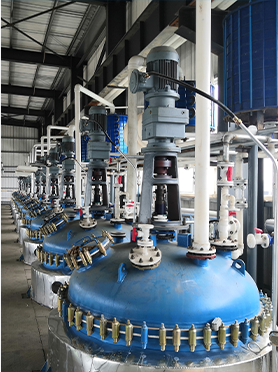
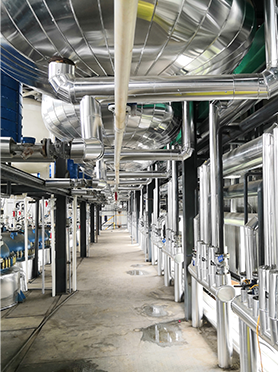
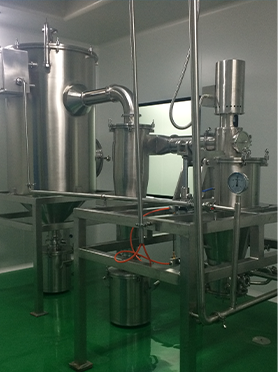
Manufacturing Facilities
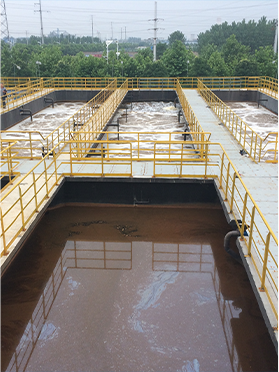
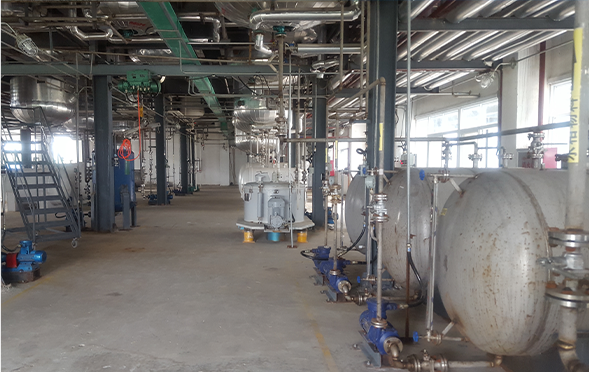
Professional Export Experience
to Global Customers
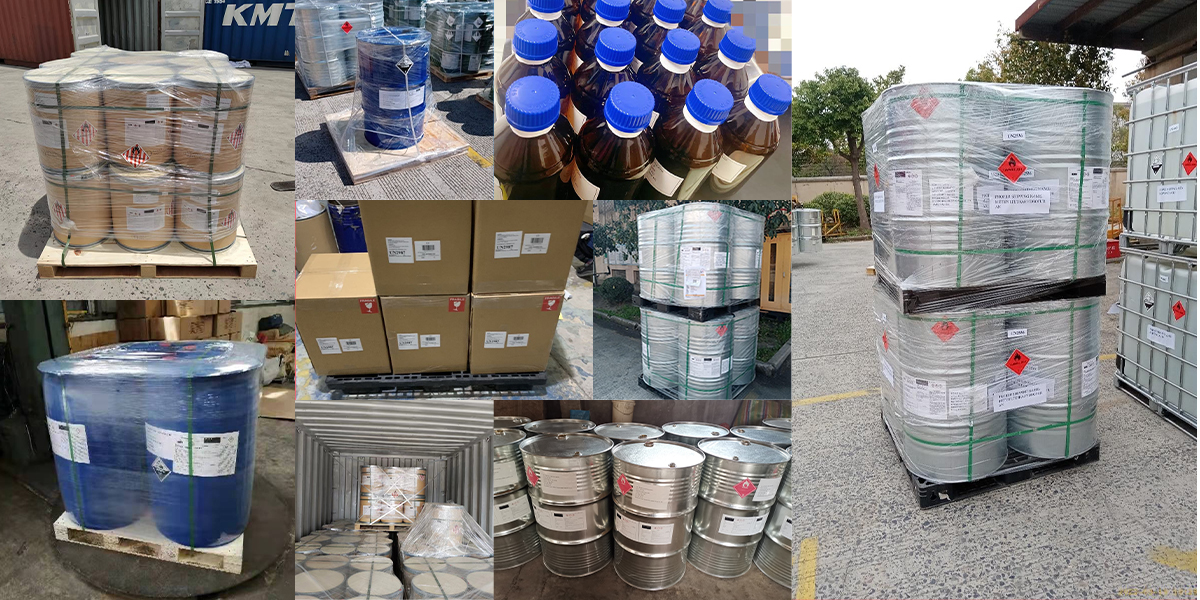
1. 20 years of R&D, manufacturing and sales experience, serving customers in 60 countries and regions around the world;
2. Own R&D laboratory, pilot platform and large-scale production workshop, which can meet the audit requirements of global customers;
3. We can satisfy customers' perfect transition from small scale lab requirements (gram level) to commercialization requirements (hundred tons level).
A: We don't have Minimum Order Quantity, exact quantity should be provided before quotation for us to calculate the exact cost.
A: We don't provide free samples due to lots of request and expensive international courier's cost, we can deduct the sample charge after commercial order placed.
A: Our payment terms: Small or sample order: T/T IN ADVANCE. Commercial order: First order should be by T/T IN ADVANCE or L/C at sight, and following orders T/T 30~90days is acceptable subject to approval of credit application.