
Custom Manufacturing, Project Outsourcing, your Trusted Partner from China
In the competitive textile industry, achieving vibrant, consistent, and durable colors is paramount. This goal is not solely dependent on the dyes themselves but also on a sophisticated array of textile dyeing auxiliaries. These specialized chemicals play critical roles in preparing fabrics, ensuring proper dye uptake, and enhancing the final aesthetic and performance of dyed materials. For procurement managers and formulation scientists, understanding these auxiliaries and knowing how to source them effectively is key to optimizing dyeing processes. As a prominent supplier of chemical auxiliaries, we aim to illuminate this vital aspect of textile manufacturing.
What are Textile Dyeing Auxiliaries?
Textile dyeing auxiliaries are chemical agents used in conjunction with dyes to facilitate and improve the dyeing process. They are designed to interact with dyes, fibers, and the dyebath environment to overcome technical challenges and achieve desired outcomes such as evenness, depth of shade, and fastness properties. Their application spans from pretreatment stages through the dyeing process itself and into after-treatment steps.
Key Dyeing Auxiliaries and Their Functions:
1. Wetting Agents: Essential for ensuring rapid and uniform penetration of the dye liquor into the textile material. They reduce surface tension, allowing the liquor to spread evenly and wet out the fabric efficiently, which is crucial for preventing uneven dyeing. A good wetting agent is a fundamental purchase for any dyeing operation.
2. Leveling Agents: These agents control the rate at which dyes are absorbed by the fiber, promoting uniform distribution of the dye and preventing rapid fixation that can lead to uneven shades or barré effects. They are particularly important for difficult-to-dye fibers or when high color depth is required.
3. Dispersing Agents: Vital for dyes that are insoluble or sparingly soluble in water, such as disperse dyes used for polyester. They keep dye particles finely dispersed in the dyebath, preventing aggregation and ensuring a stable dye dispersion for even coloration.
4. Scouring and Degreasing Agents: Although often considered pretreatment chemicals, effective scouring and degreasing are prerequisites for successful dyeing. They remove natural and processing impurities that can interfere with dye uptake, ensuring a clean substrate for dyeing.
5. Fixing Agents: Used after dyeing to improve the wash fastness and wet fastness of certain dye classes by chemically binding the dye to the fiber.
6. pH Buffers/Regulators: Many dyeing processes require precise pH control to optimize dye solubility, affinity, and exhaustion. Auxiliaries that maintain the target pH are essential for achieving consistent results.
Strategic Sourcing of Dyeing Auxiliaries
When looking to buy textile dyeing auxiliaries, selecting a reliable supplier is critical. China offers a vast landscape of chemical manufacturers, many of whom are dedicated to producing high-quality, performance-driven auxiliaries. When making your purchasing decisions, consider the following:
Conclusion
Textile dyeing auxiliaries are indispensable tools that enhance the efficiency and quality of the dyeing process. By understanding their diverse functions and strategically sourcing from reputable suppliers, textile manufacturers can ensure vibrant, uniform, and lasting colors, ultimately leading to higher customer satisfaction and market competitiveness.
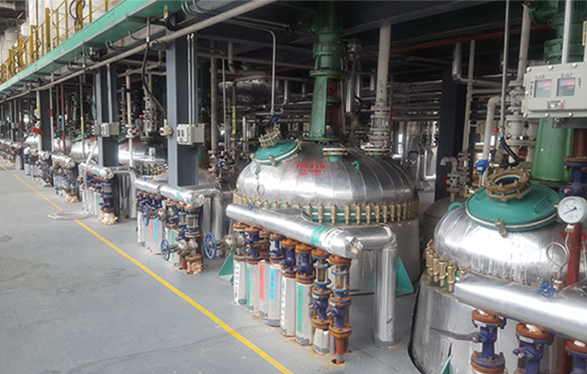
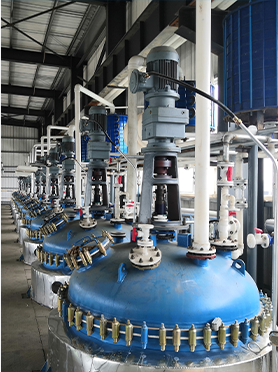
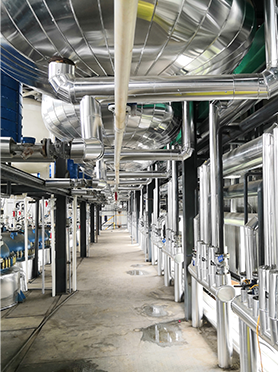
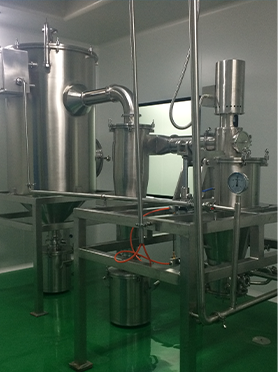
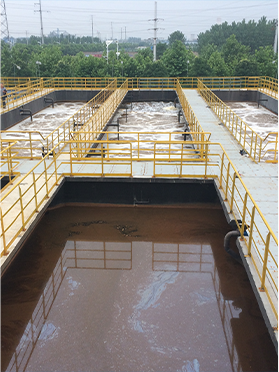
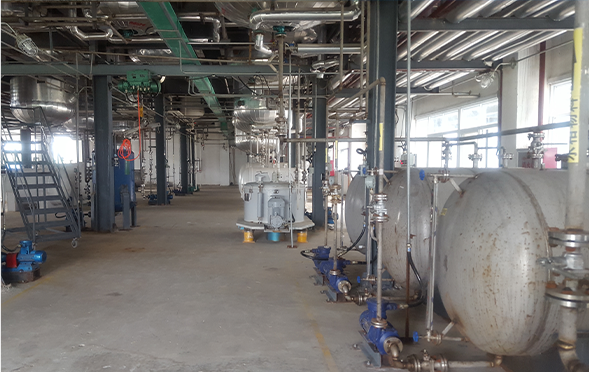
Manufacturing Facilities
Professional Export Experience
to Global Customers
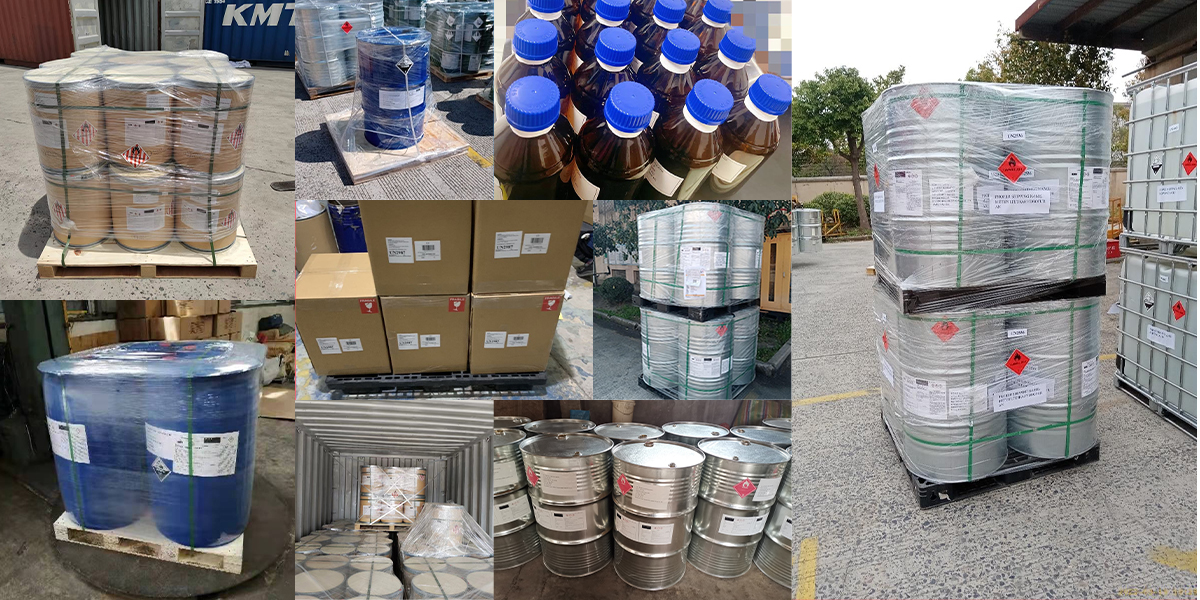
1. 20 years of R&D, manufacturing and sales experience, serving customers in 60 countries and regions around the world;
2. Own R&D laboratory, pilot platform and large-scale production workshop, which can meet the audit requirements of global customers;
3. We can satisfy customers' perfect transition from small scale lab requirements (gram level) to commercialization requirements (hundred tons level).
A: We don't have Minimum Order Quantity, exact quantity should be provided before quotation for us to calculate the exact cost.
A: We don't provide free samples due to lots of request and expensive international courier's cost, we can deduct the sample charge after commercial order placed.
A: Our payment terms: Small or sample order: T/T IN ADVANCE. Commercial order: First order should be by T/T IN ADVANCE or L/C at sight, and following orders T/T 30~90days is acceptable subject to approval of credit application.