
Custom Manufacturing, Project Outsourcing, your Trusted Partner from China
In the intricate ballet of textile manufacturing, few chemical auxiliaries are as foundational yet often overlooked as wetting agents. While their name suggests a singular function – to make things 'wet' – their impact extends far beyond this basic definition. For textile professionals, understanding the diverse applications and sourcing high-quality wetting agents is crucial for optimizing everything from initial fabric preparation to the final dyeing and finishing stages. As a dedicated supplier of textile chemicals, we highlight the multifaceted power of these essential agents.
The Fundamental Role: Reducing Surface Tension
At its core, a wetting agent is a type of surfactant designed to reduce the surface tension of liquids, particularly water. This reduction allows the liquid to spread more easily over, and penetrate into, surfaces. In textiles, this capability is fundamental. Without effective wetting, processing liquors – be they for scouring, bleaching, dyeing, or finishing – would struggle to penetrate the fibers and yarns uniformly, leading to processing inefficiencies and defects in the final product.
Applications Across the Textile Value Chain:
1. Pretreatment: In the crucial pretreatment stages, wetting agents work synergistically with scouring and degreasing agents. They ensure that the cleaning liquors quickly and thoroughly wet the entire fabric surface, allowing for the efficient removal of natural impurities, processing oils, and sizing agents. This uniform wetting is the first step towards achieving a clean, absorbent fabric ready for dyeing.
2. Dyeing: Perhaps the most critical application for wetting agents is in the dyeing process. They ensure that the dye liquor penetrates the fibers quickly and evenly, promoting level dyeing and maximum color yield. This is especially important for tightly woven fabrics, synthetic fibers, or complex fabric structures where liquor penetration can be challenging. The ability of a wetting agent to remain stable in the dyebath across varying pH and temperatures is a key performance indicator.
3. Printing: Similar to dyeing, wetting agents are used in textile printing pastes to ensure uniform application of the print paste onto the fabric surface, leading to sharp, well-defined prints.
4. Finishing: In finishing processes, wetting agents can help in the uniform application of softeners, water repellents, or other functional finishes, ensuring consistent performance across the entire textile article.
Key Properties to Consider When Buying Wetting Agents:
When sourcing wetting agents, textile manufacturers should look for:
Sourcing Effective Wetting Agents from China:
China is a leading global supplier of textile chemicals, including a wide array of high-performance wetting agents. When selecting a manufacturer or supplier, prioritize those with a proven track record in textile auxiliaries, strong R&D capabilities, and a commitment to quality and sustainability. Companies that offer detailed technical data sheets, provide samples for testing, and have competitive pricing for bulk orders are ideal partners. Many Chinese suppliers are increasingly focusing on eco-friendly, non-ionic wetting agents, which offer broad compatibility and excellent performance.
Conclusion
Wetting agents are far more than simple surface tension reducers; they are critical enablers of efficient and high-quality textile processing. By understanding their diverse roles and strategically sourcing effective wetting agents from reliable suppliers, textile manufacturers can significantly improve their pretreatment, dyeing, and finishing operations, ultimately leading to superior end products.
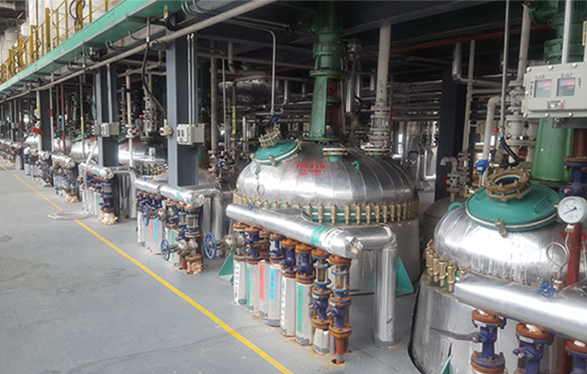
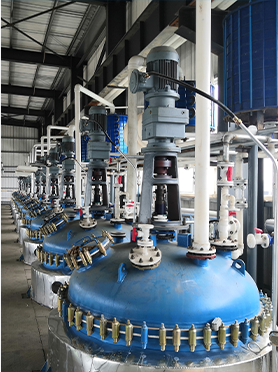
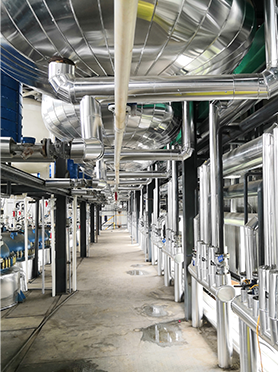
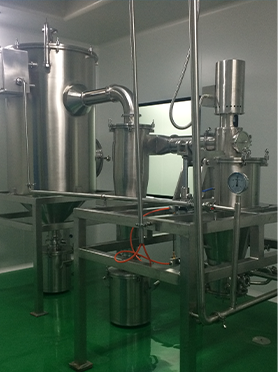
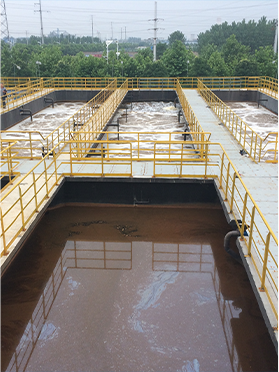
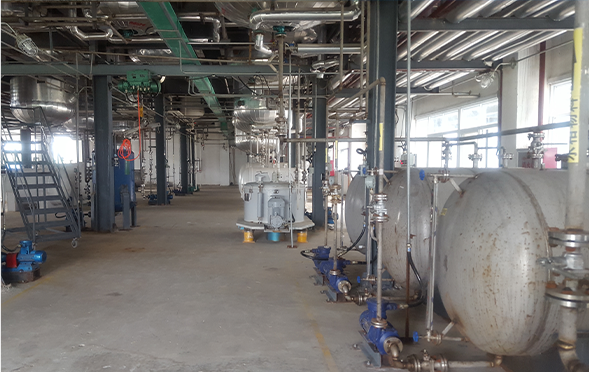
Manufacturing Facilities
Professional Export Experience
to Global Customers
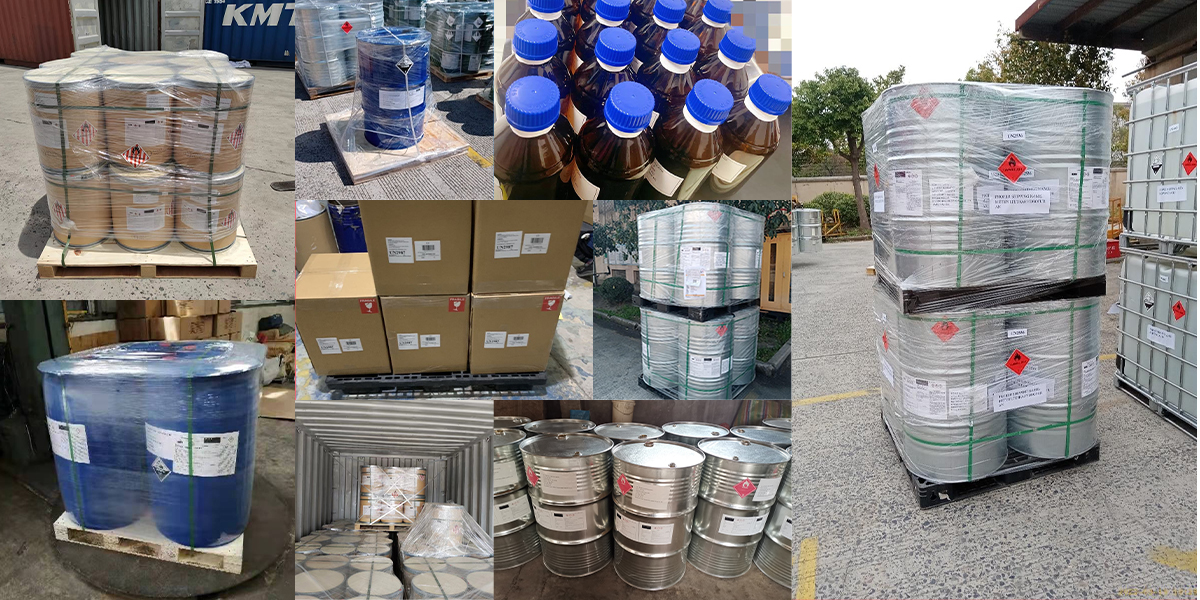
1. 20 years of R&D, manufacturing and sales experience, serving customers in 60 countries and regions around the world;
2. Own R&D laboratory, pilot platform and large-scale production workshop, which can meet the audit requirements of global customers;
3. We can satisfy customers' perfect transition from small scale lab requirements (gram level) to commercialization requirements (hundred tons level).
A: We don't have Minimum Order Quantity, exact quantity should be provided before quotation for us to calculate the exact cost.
A: We don't provide free samples due to lots of request and expensive international courier's cost, we can deduct the sample charge after commercial order placed.
A: Our payment terms: Small or sample order: T/T IN ADVANCE. Commercial order: First order should be by T/T IN ADVANCE or L/C at sight, and following orders T/T 30~90days is acceptable subject to approval of credit application.