
Custom Manufacturing, Project Outsourcing, your Trusted Partner from China
The responsible use of chemicals in industrial processes necessitates a thorough understanding of their environmental fate and associated safety protocols. 2-Chloro-1,3-dimethylbenzene (CAS: 6781-98-2), a widely used intermediate in the pharmaceutical and agrochemical sectors, is no exception. Manufacturers must be aware of its environmental behavior and handle it with appropriate safety measures to ensure compliance and minimize ecological impact.
Environmental Behavior and Persistence
As a chlorinated aromatic hydrocarbon, 2-Chloro-1,3-dimethylbenzene exhibits characteristics that influence its persistence and distribution in the environment. QSAR (Quantitative Structure-Activity Relationship) models, such as those within the EPI Suite™, provide predictive insights into its environmental fate. These models suggest that if released, the compound is likely to partition predominantly into water. However, its predicted half-life in water is relatively short (around 15 days), indicating it may not persist long in the aquatic column. Conversely, its predicted half-life in sediment is significantly longer (around 135 days), suggesting a potential for accumulation in sediment layers.
Its moderate lipophilicity, indicated by its octanol-water partition coefficient (Log P), suggests a tendency to associate with organic matter in soil and sediment, which can affect its mobility and bioavailability. While specific data on its biodegradation pathways is still emerging, related chlorinated aromatic compounds can be degraded by specialized microorganisms, a process that is an active area of environmental research.
Safety and Handling Precautions
For industrial users, understanding the safety data associated with 2-Chloro-1,3-dimethylbenzene is critical for safe handling and storage. According to safety data sheets and GHS classifications:
Waste Management and Regulatory Compliance
Proper disposal of chemical waste is a critical aspect of environmental stewardship and regulatory compliance. Halogenated waste, such as that containing 2-Chloro-1,3-dimethylbenzene, requires specialized handling:
By prioritizing safety in handling, proper storage, and responsible waste management, manufacturers can effectively utilize 2-Chloro-1,3-dimethylbenzene while minimizing its environmental footprint and ensuring operational compliance. When sourcing this chemical, it is advisable to work with suppliers who provide comprehensive safety data and guidance on responsible use.
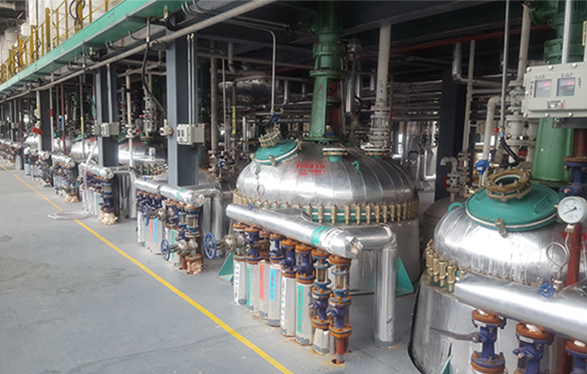
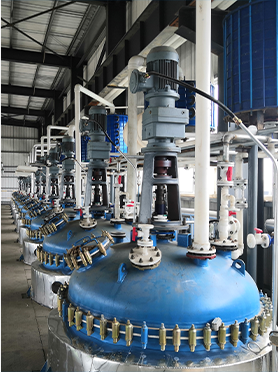
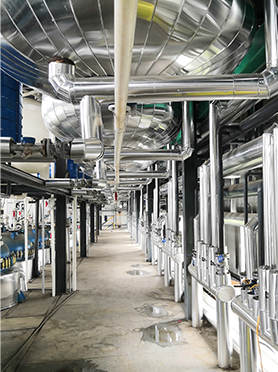
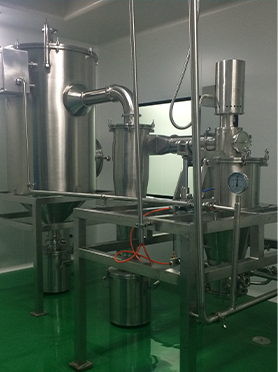
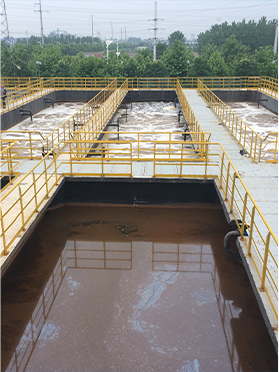
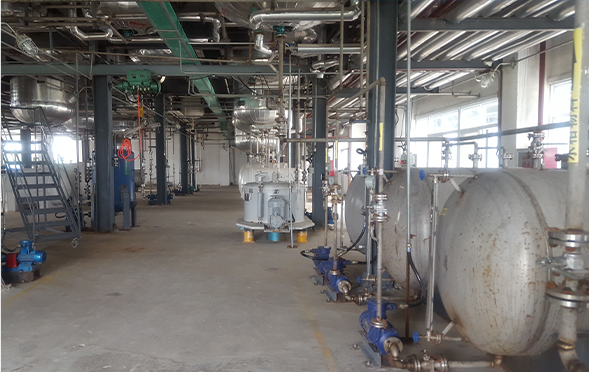
Manufacturing Facilities
Professional Export Experience
to Global Customers
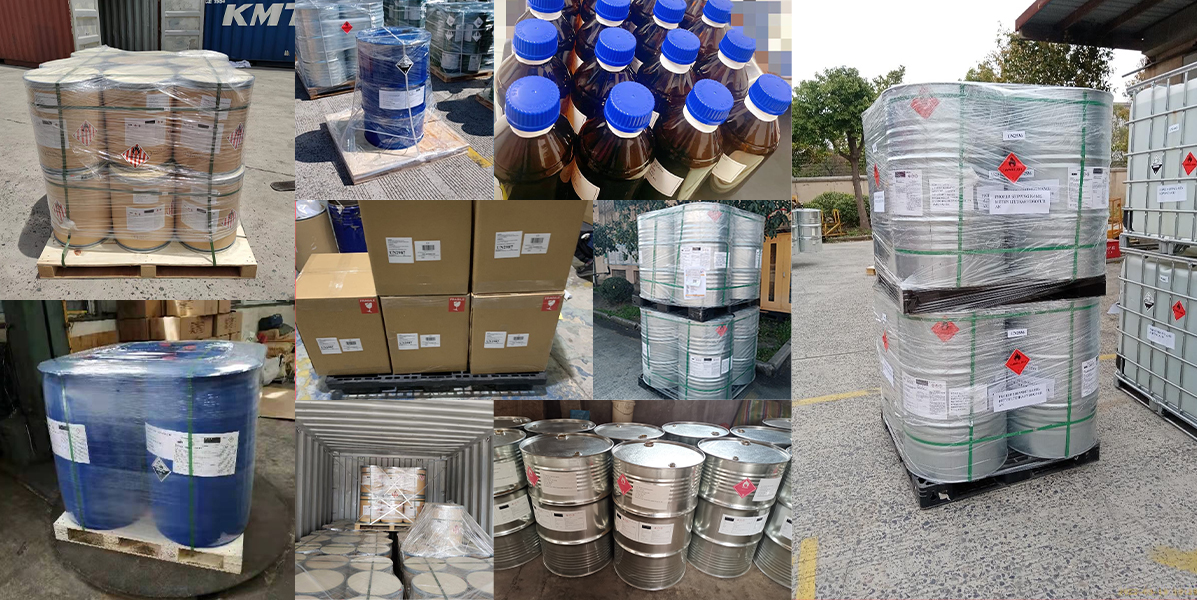
1. 20 years of R&D, manufacturing and sales experience, serving customers in 60 countries and regions around the world;
2. Own R&D laboratory, pilot platform and large-scale production workshop, which can meet the audit requirements of global customers;
3. We can satisfy customers' perfect transition from small scale lab requirements (gram level) to commercialization requirements (hundred tons level).
A: We don't have Minimum Order Quantity, exact quantity should be provided before quotation for us to calculate the exact cost.
A: We don't provide free samples due to lots of request and expensive international courier's cost, we can deduct the sample charge after commercial order placed.
A: Our payment terms: Small or sample order: T/T IN ADVANCE. Commercial order: First order should be by T/T IN ADVANCE or L/C at sight, and following orders T/T 30~90days is acceptable subject to approval of credit application.