
Custom Manufacturing, Project Outsourcing, your Trusted Partner from China
The Suzuki-Miyaura coupling reaction stands as a cornerstone of modern organic synthesis, celebrated for its efficiency in forming carbon-carbon bonds, particularly between aryl halides and organoboron compounds. For manufacturers and researchers working with challenging substrates, understanding how to optimize this reaction is crucial. 2-Chloro-1,3-dimethylbenzene (CAS: 6781-98-2), a compound characterized by significant steric hindrance due to its di-ortho-substituted structure, presents an excellent case study for mastering this catalytic transformation.
The Challenge of Steric Hindrance
2-Chloro-1,3-dimethylbenzene, also known as 2-chloro-m-xylene, features two methyl groups adjacent to the chlorine atom on the benzene ring. This steric crowding can impede the oxidative addition step of the palladium catalytic cycle, which involves the insertion of the palladium catalyst into the carbon-chlorine bond. Consequently, reactions involving such sterically hindered aryl chlorides often require more robust catalytic systems and carefully controlled conditions to achieve high yields and selectivity.
Optimizing Catalytic Systems
For manufacturers looking to effectively buy 2-Chloro-1,3-dimethylbenzene and utilize it in Suzuki couplings, catalyst selection is paramount. Key considerations include:
Supplier Considerations for Manufacturers
When procuring 2-Chloro-1,3-dimethylbenzene for demanding synthetic applications like Suzuki coupling, manufacturers must prioritize suppliers who can guarantee high purity and consistent product quality. Factors to consider when choosing a supplier or manufacturer include:
By meticulously optimizing catalytic systems and partnering with reliable suppliers, manufacturers can successfully leverage the synthetic potential of 2-Chloro-1,3-dimethylbenzene, unlocking new pathways for creating valuable fine chemicals and complex organic molecules.
Manufacturing Facilities
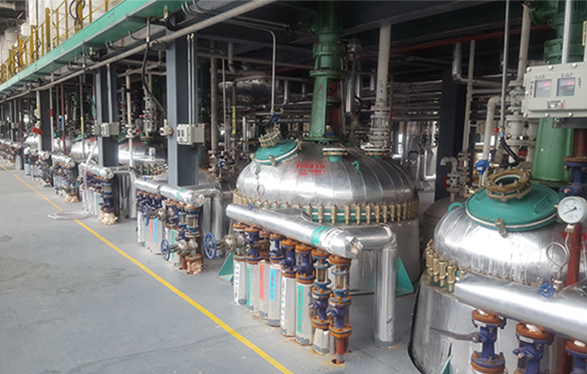
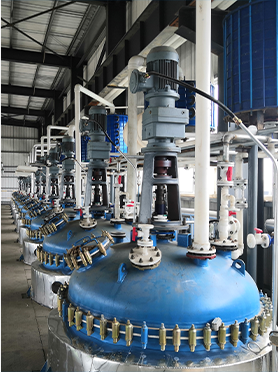
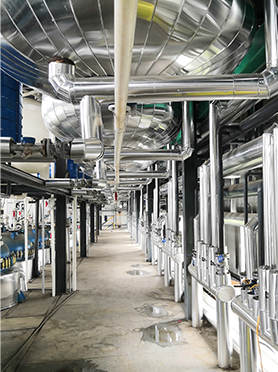
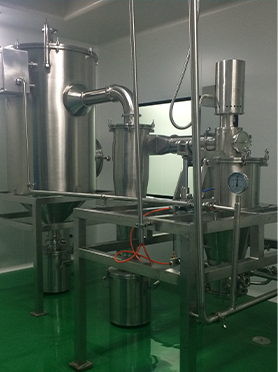
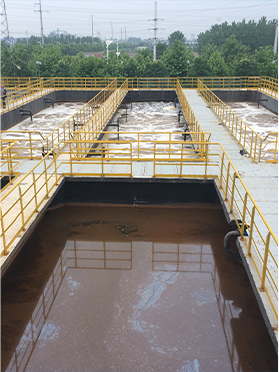
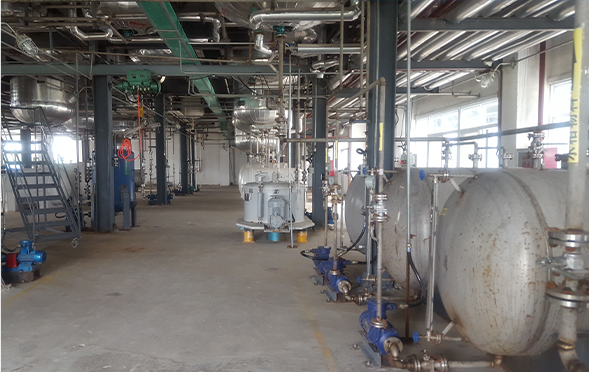
Professional Export Experience
to Global Customers
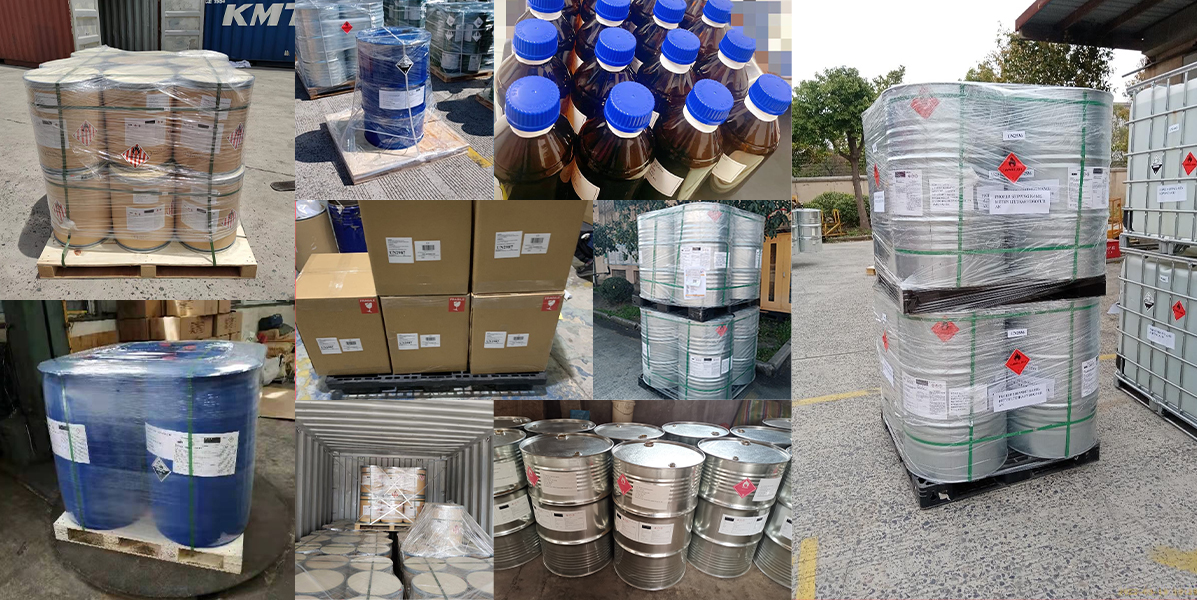
1. 20 years of R&D, manufacturing and sales experience, serving customers in 60 countries and regions around the world;
2. Own R&D laboratory, pilot platform and large-scale production workshop, which can meet the audit requirements of global customers;
3. We can satisfy customers' perfect transition from small scale lab requirements (gram level) to commercialization requirements (hundred tons level).
A: We don't have Minimum Order Quantity, exact quantity should be provided before quotation for us to calculate the exact cost.
A: We don't provide free samples due to lots of request and expensive international courier's cost, we can deduct the sample charge after commercial order placed.
A: Our payment terms: Small or sample order: T/T IN ADVANCE. Commercial order: First order should be by T/T IN ADVANCE or L/C at sight, and following orders T/T 30~90days is acceptable subject to approval of credit application.