
Custom Manufacturing, Project Outsourcing, your Trusted Partner from China
In today's environmentally conscious and health-aware market, the textile industry is increasingly shifting towards sustainable practices. A significant aspect of this transition involves the adoption of formaldehyde-free textile chemicals. Formaldehyde, while effective in many chemical applications, poses health and environmental risks. Therefore, manufacturers are actively developing and promoting alternatives, particularly in crucial areas like dyeing and printing auxiliaries. For R&D scientists and procurement specialists, understanding and sourcing these safer alternatives is becoming a strategic imperative. This article highlights the importance of formaldehyde-free fixing agents and discusses their benefits in modern textile processing.
The Need for Formaldehyde-Free Textile Chemicals
Formaldehyde is a volatile organic compound (VOC) that can cause respiratory irritation, skin allergies, and is classified as a carcinogen. In the textile industry, residual formaldehyde in finished goods can be a concern for consumers and may lead to non-compliance with regulations like Oeko-Tex Standard 100 or ZDHC (Zero Discharge of Hazardous Chemicals) initiatives. Consequently, there is a strong market demand for textile chemicals that are free from formaldehyde, especially for products intended for direct skin contact.
Fixing Agents: A Case for Formaldehyde-Free Formulations
Fixing agents are vital for improving the color fastness of textiles, particularly after dyeing or printing. Historically, some fixing agents may have utilized formaldehyde-based chemistry to achieve high performance. However, the industry has made significant strides in developing advanced, high-performance fixing agents that do not rely on formaldehyde. These modern formulations, often based on specialized polymeric structures (like cationic resins), offer comparable or superior performance in enhancing wet, wash, and perspiration fastness without the associated risks.
Key benefits of formaldehyde-free fixing agents include:
Applications in Dyeing and Printing
These formaldehyde-free fixing agents are versatile and can be used in various textile applications:
Sourcing Sustainable Solutions from China
For textile manufacturers committed to sustainability, sourcing formaldehyde-free chemicals from China presents a compelling opportunity. Many leading Chinese chemical manufacturers are investing heavily in R&D to produce these advanced, eco-friendly auxiliaries. When looking to buy, procurement managers should seek suppliers who can provide clear certification of their products' formaldehyde-free status, along with comprehensive technical data and performance testimonials. Engaging with such suppliers ensures that your textile production aligns with both quality standards and global sustainability trends.
Embracing formaldehyde-free textile chemicals is not just a trend; it's a fundamental shift towards safer, more sustainable, and higher-quality textile production. By prioritizing these solutions, the industry can meet evolving market demands and contribute to a healthier planet.
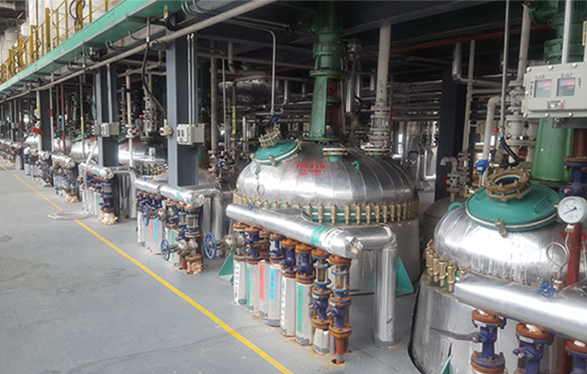
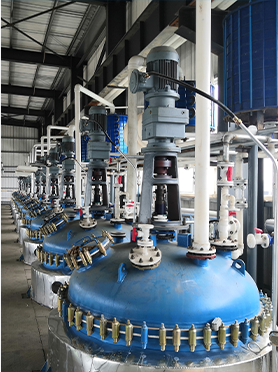
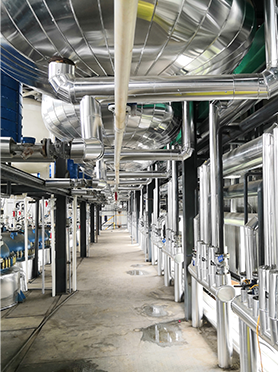
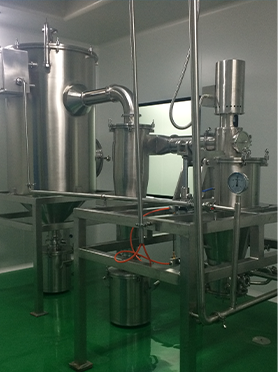
Manufacturing Facilities
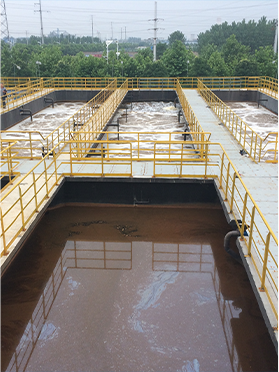
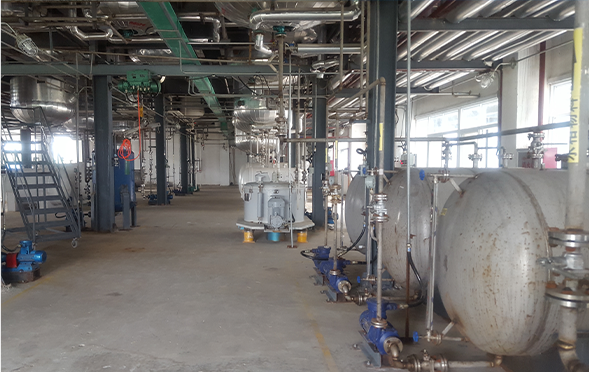
Professional Export Experience
to Global Customers
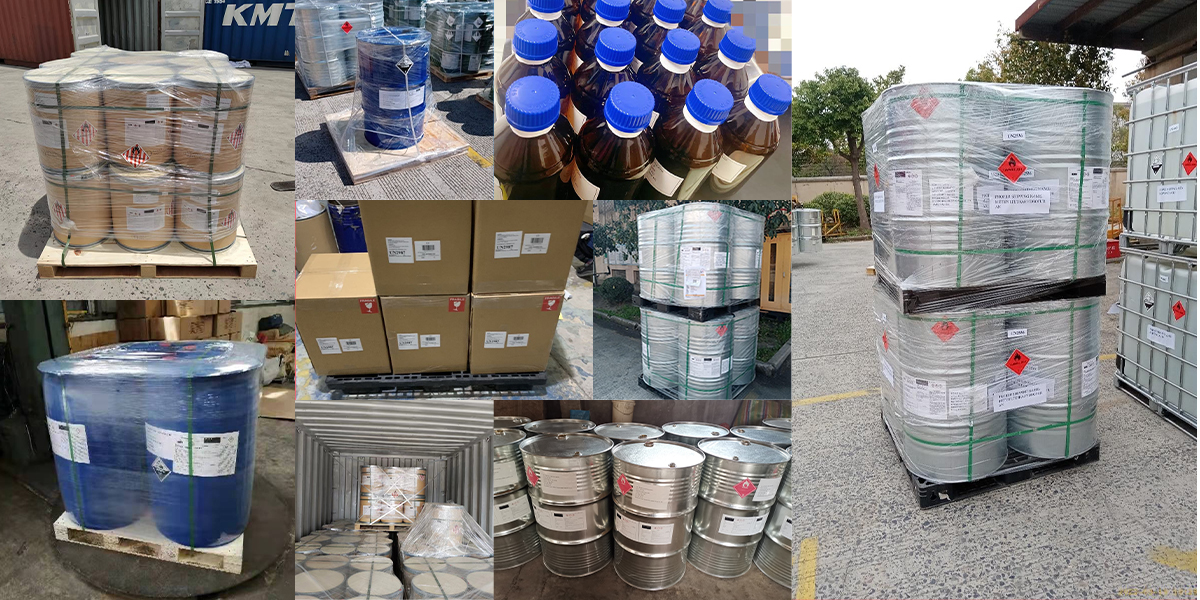
1. 20 years of R&D, manufacturing and sales experience, serving customers in 60 countries and regions around the world;
2. Own R&D laboratory, pilot platform and large-scale production workshop, which can meet the audit requirements of global customers;
3. We can satisfy customers' perfect transition from small scale lab requirements (gram level) to commercialization requirements (hundred tons level).
A: We don't have Minimum Order Quantity, exact quantity should be provided before quotation for us to calculate the exact cost.
A: We don't provide free samples due to lots of request and expensive international courier's cost, we can deduct the sample charge after commercial order placed.
A: Our payment terms: Small or sample order: T/T IN ADVANCE. Commercial order: First order should be by T/T IN ADVANCE or L/C at sight, and following orders T/T 30~90days is acceptable subject to approval of credit application.