
Custom Manufacturing, Project Outsourcing, your Trusted Partner from China
The textile industry relies heavily on a spectrum of chemical auxiliaries to achieve desired fabric properties, from dyeing and printing to finishing. Among these, fixing agents play a pivotal role in enhancing the durability and performance of colored textiles. For procurement managers and product formulators, understanding the function, benefits, and sourcing of these crucial chemicals is paramount. This guide focuses on fixing agents, particularly those used with reactive dyes, and offers insights into their application and how to procure them effectively from global suppliers, with a focus on manufacturers in China.
What are Textile Chemical Auxiliaries?
Textile chemical auxiliaries are specialized chemicals that are used throughout the textile manufacturing process to improve efficiency, enhance fabric properties, or impart specific functionalities. They can be broadly categorized by their stage of use: pre-treatment, dyeing, printing, and finishing. Fixing agents typically fall under the dyeing or finishing categories, working to improve the fastness properties of dyes and prints.
The Importance of Fixing Agents
Fixing agents are designed to improve the substantivity and stability of dyes on textile fibers. They work by forming chemical bridges or strong physical interactions between the dye molecules and the fabric. For reactive dyes, which form covalent bonds with cellulosic fibers, fixing agents are crucial for ensuring that any unfixed dye is rendered insoluble and immobile, thereby preventing bleeding and improving wash and wet fastness. Key benefits include:
Fixing Agents for Reactive Dyes: A Focus
Reactive dyes are popular for their bright shades and good fastness on cellulosic fibers like cotton. However, achieving optimal wet fastness often requires a post-dyeing treatment with a fixing agent. Cationic fixing agents are particularly effective in this regard, as they create strong electrostatic attractions with the anionic dye molecules and fiber surfaces. These agents enhance the overall bonding strength, making the color highly resistant to wet processing. When selecting an agent, consider its impact on color shade, fabric handle, and compatibility with other finishing chemicals.
Sourcing Strategy: Buying from China Manufacturers
For procurement managers and product developers, sourcing textile chemical auxiliaries from China offers several strategic advantages:
When sourcing, it is advisable to obtain technical data sheets, request samples for testing, and engage with suppliers who can provide clear documentation and support. Prioritizing manufacturers with certifications for environmental and quality standards can further ensure a successful partnership.
By understanding the role of fixing agents and adopting a strategic sourcing approach, textile businesses can significantly enhance the quality and performance of their products, meeting and exceeding market expectations.
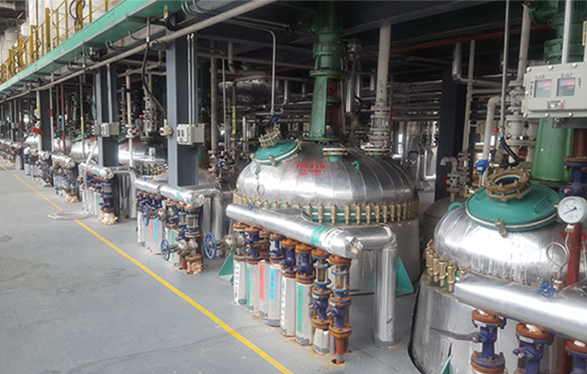
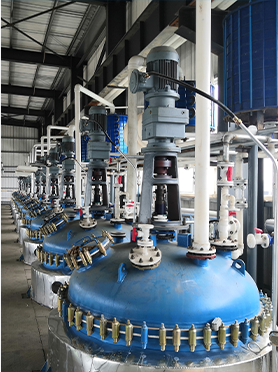
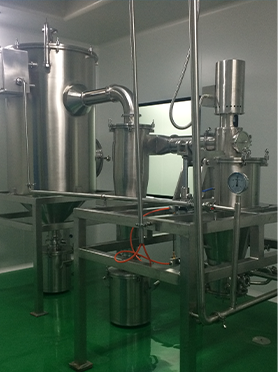
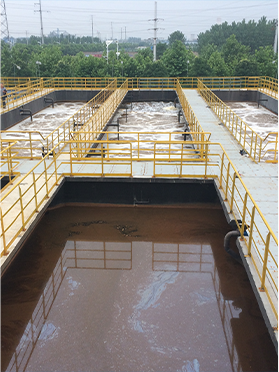
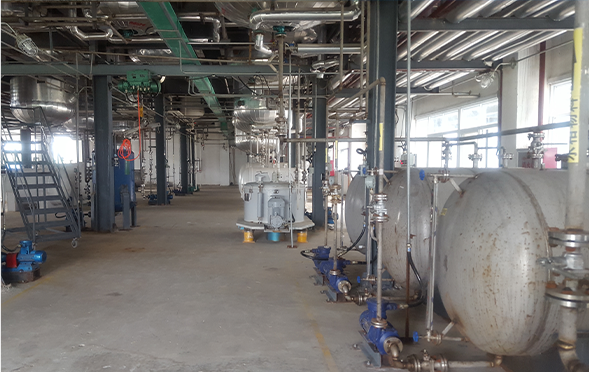
Manufacturing Facilities

Professional Export Experience
to Global Customers
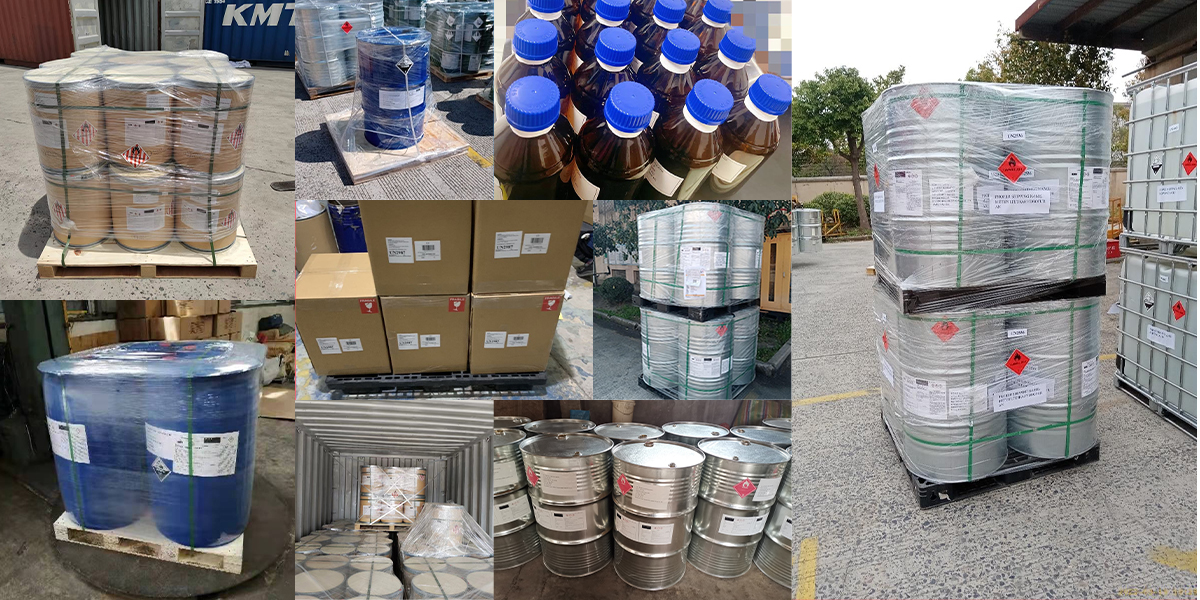
1. 20 years of R&D, manufacturing and sales experience, serving customers in 60 countries and regions around the world;
2. Own R&D laboratory, pilot platform and large-scale production workshop, which can meet the audit requirements of global customers;
3. We can satisfy customers' perfect transition from small scale lab requirements (gram level) to commercialization requirements (hundred tons level).
A: We don't have Minimum Order Quantity, exact quantity should be provided before quotation for us to calculate the exact cost.
A: We don't provide free samples due to lots of request and expensive international courier's cost, we can deduct the sample charge after commercial order placed.
A: Our payment terms: Small or sample order: T/T IN ADVANCE. Commercial order: First order should be by T/T IN ADVANCE or L/C at sight, and following orders T/T 30~90days is acceptable subject to approval of credit application.