
Custom Manufacturing, Project Outsourcing, your Trusted Partner from China
The pursuit of enhanced textile quality and sustainable manufacturing practices has led to significant advancements in chemical auxiliaries. Among these, the evolution of oxygen bleaching stabilizers from traditional silicate-based products to modern non-silicon oxygen bleaching stabilizers marks a critical turning point. For R&D scientists and procurement managers in the textile industry, understanding this shift is crucial for optimizing processes and achieving superior outcomes. This article, from the perspective of a dedicated chemical manufacturer, delves into why non-silicon stabilizers are becoming the preferred choice.
Hydrogen peroxide (H2O2) bleaching is a cornerstone of textile pretreatment, vital for achieving the high whiteness demanded by consumers. However, the inherent instability of H2O2, particularly in the presence of trace metal ions, necessitates the use of stabilizers. Historically, sodium silicate was widely employed due to its cost-effectiveness and efficient bleaching action. Its mechanism involves adsorbing metal ions, thereby slowing down H2O2 decomposition. Yet, this benefit comes with a significant drawback: silica scale. This insoluble salt deposits on machinery and fabrics, causing equipment fouling, rough fabric hand feel, and problems in subsequent dyeing processes. This is where the innovation in non-silicon oxygen bleaching stabilizers truly shines.
Non-silicon stabilizers, often based on complex organic compounds like polyacrylates, phosphonates, or polycarboxylates, offer a compelling alternative. They function primarily through chelation, forming stable complexes with metal ions like iron and copper, effectively neutralizing their catalytic activity on H2O2. The advantages are manifold:
As a leading supplier and manufacturer of textile auxiliaries in China, we have invested heavily in developing high-performance non-silicon stabilizers. Our products are synthesized using advanced chemical processes, ensuring consistent quality and efficacy. For businesses aiming to buy oxygen bleaching stabilizer, understanding the composition and mechanism of non-silicon options provides a clear path to better results.
The optimal use of these stabilizers often involves careful dosage control. Extensive research, such as the optimization of poly(acrylic acid) magnesium salt stabilizers, demonstrates that precise application rates are key to maximizing benefits like whiteness and minimizing H2O2 decomposition. For example, studies indicate that a specific dosage, like 4 g/L, can achieve optimal whiteness while maintaining low decomposition rates for hydrogen peroxide.
In conclusion, the transition to non-silicon oxygen bleaching stabilizers represents a significant advancement in textile pretreatment technology. They offer a robust solution to the limitations of traditional stabilizers, providing enhanced bleaching performance, superior fiber protection, and environmental benefits. For textile professionals looking to elevate their product quality and embrace sustainable practices, exploring the capabilities of these modern chemical auxiliaries from a trusted chemical manufacturer is a strategic imperative.
Manufacturing Facilities
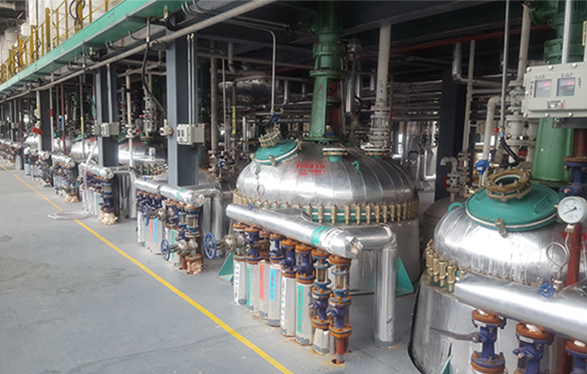
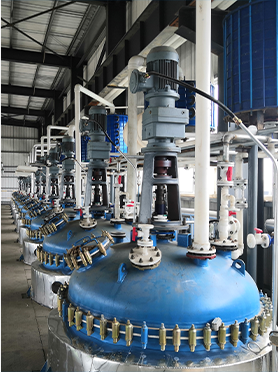
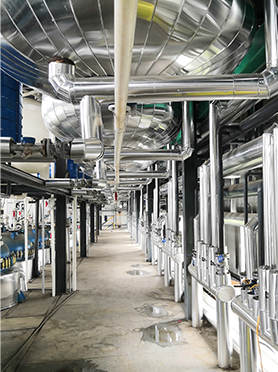
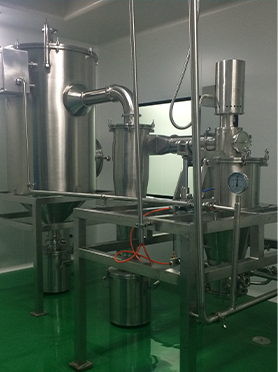
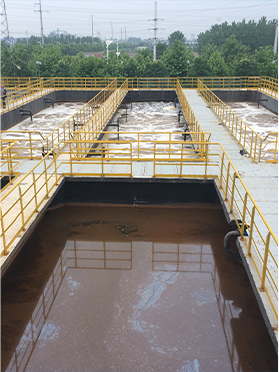
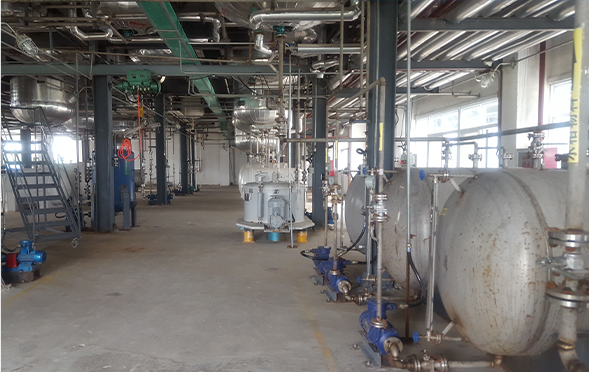
Professional Export Experience
to Global Customers
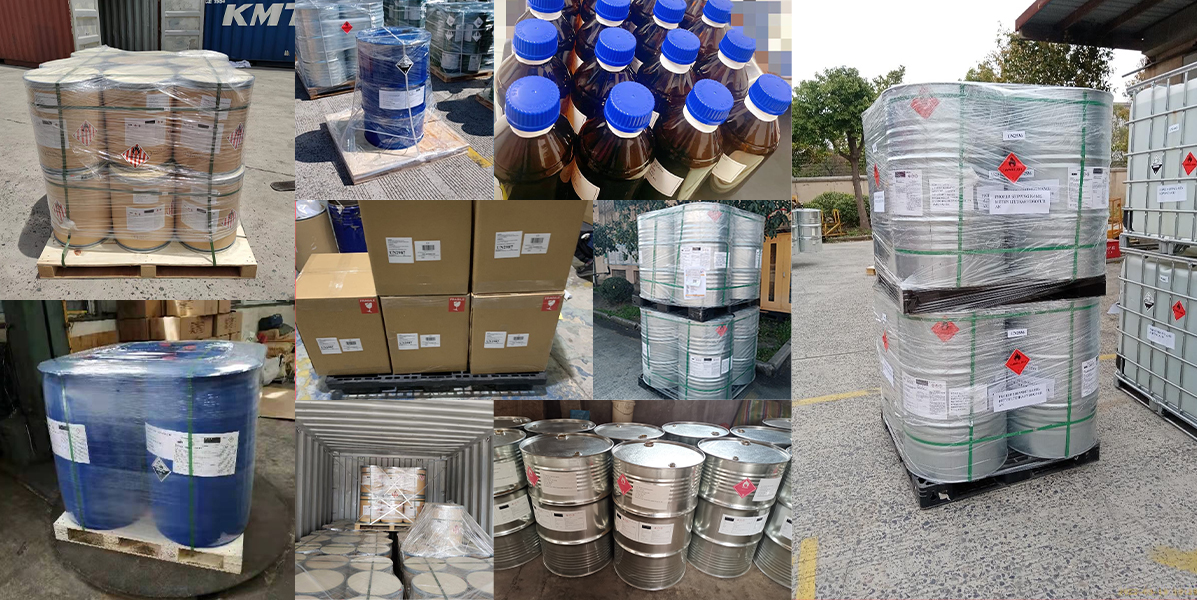
1. 20 years of R&D, manufacturing and sales experience, serving customers in 60 countries and regions around the world;
2. Own R&D laboratory, pilot platform and large-scale production workshop, which can meet the audit requirements of global customers;
3. We can satisfy customers' perfect transition from small scale lab requirements (gram level) to commercialization requirements (hundred tons level).
A: We don't have Minimum Order Quantity, exact quantity should be provided before quotation for us to calculate the exact cost.
A: We don't provide free samples due to lots of request and expensive international courier's cost, we can deduct the sample charge after commercial order placed.
A: Our payment terms: Small or sample order: T/T IN ADVANCE. Commercial order: First order should be by T/T IN ADVANCE or L/C at sight, and following orders T/T 30~90days is acceptable subject to approval of credit application.