
Custom Manufacturing, Project Outsourcing, your Trusted Partner from China
Linen, a natural fiber known for its strength and luster, presents unique challenges and opportunities in textile processing. Achieving a consistent, high level of whiteness in linen yarns, especially during oxygen bleaching, requires specialized chemical auxiliaries. At the forefront of this are advanced oxygen bleaching stabilizers, which are crucial for controlling the bleaching process and preserving the fiber's inherent qualities. As a committed supplier of textile auxiliaries, we focus on providing solutions tailored for specific fiber types like linen.
The bleaching of linen yarn with hydrogen peroxide (H2O2) aims to remove natural coloring matter and impurities, resulting in a bright, pure white appearance. However, linen fibers, like other cellulosic materials, are susceptible to damage from uncontrolled H2O2 decomposition, which can be catalyzed by trace metals. This is where an effective oxygen bleaching stabilizer proves indispensable. For procurement managers and textile scientists, understanding how these stabilizers work with linen is key to selecting the right product.
Research into synthesizing effective stabilizers, such as those based on poly(acrylic acid) and magnesium salts, highlights crucial optimization parameters. Studies have shown that specific synthesis conditions—including monomer concentration (e.g., 25% acrylic acid), initiator dosage (e.g., 5% potassium persulfate), reaction temperature (e.g., 65°C), and reaction time (e.g., 4 hours)—yield stabilizers with superior chelating abilities. These stabilizers can effectively chelate metal ions, with reported chelated iron values as high as 239.314 mg/g and chelated calcium values reaching 145.000 mg/g. This high chelating capacity is vital for the linen yarn bleaching process.
Determining the optimal dosage is another critical step. For instance, research indicates that a dosage of approximately 4 g/L for a synthesized poly(acrylic acid) magnesium salt stabilizer can significantly reduce H2O2 decomposition rates (keeping them below 50% after 60 minutes of bleaching) and achieve excellent whiteness levels (around 66.81%). Higher dosages did not yield proportional improvements and could even be detrimental. This precision in application is what distinguishes high-quality auxiliaries, making it important to buy from a reliable manufacturer.
The benefits of using such optimized stabilizers in linen bleaching extend beyond just whiteness. They contribute to:
For textile manufacturers sourcing chemicals, partnering with a reputable supplier that offers specialized solutions for fibers like linen is crucial. When inquiring about oxygen bleaching stabilizer price, consider the long-term benefits of superior performance, reduced fiber damage, and easier processing. Our commitment as a chemical manufacturer is to provide these advanced solutions, backed by scientific research and practical application data. Whether you are conducting laboratory research or scaling up production, selecting the right oxygen bleaching stabilizer for linen yarn is a key step towards achieving exceptional results.
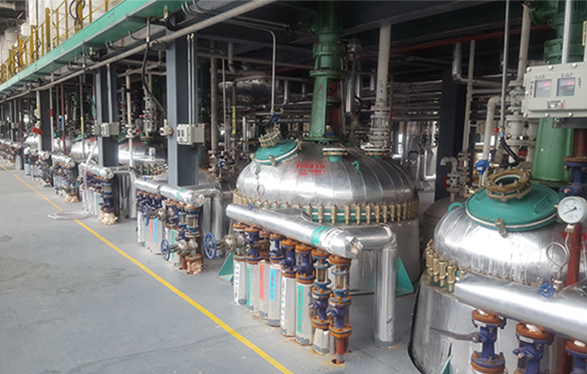
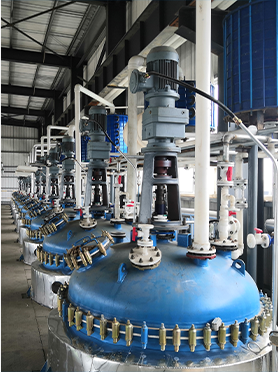
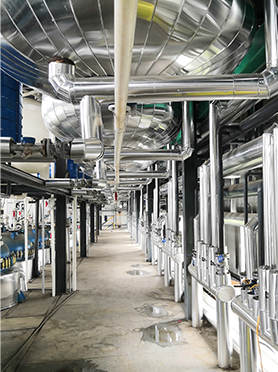
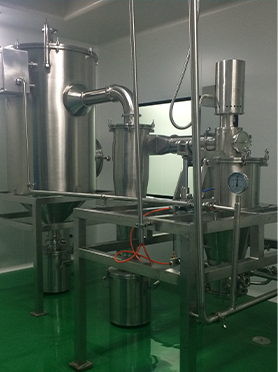
Manufacturing Facilities
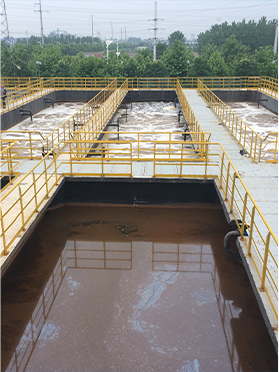
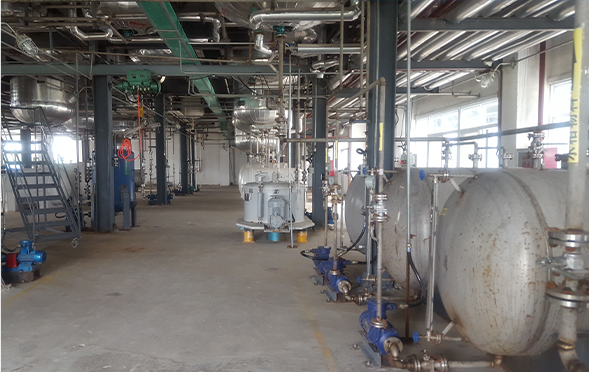
Professional Export Experience
to Global Customers
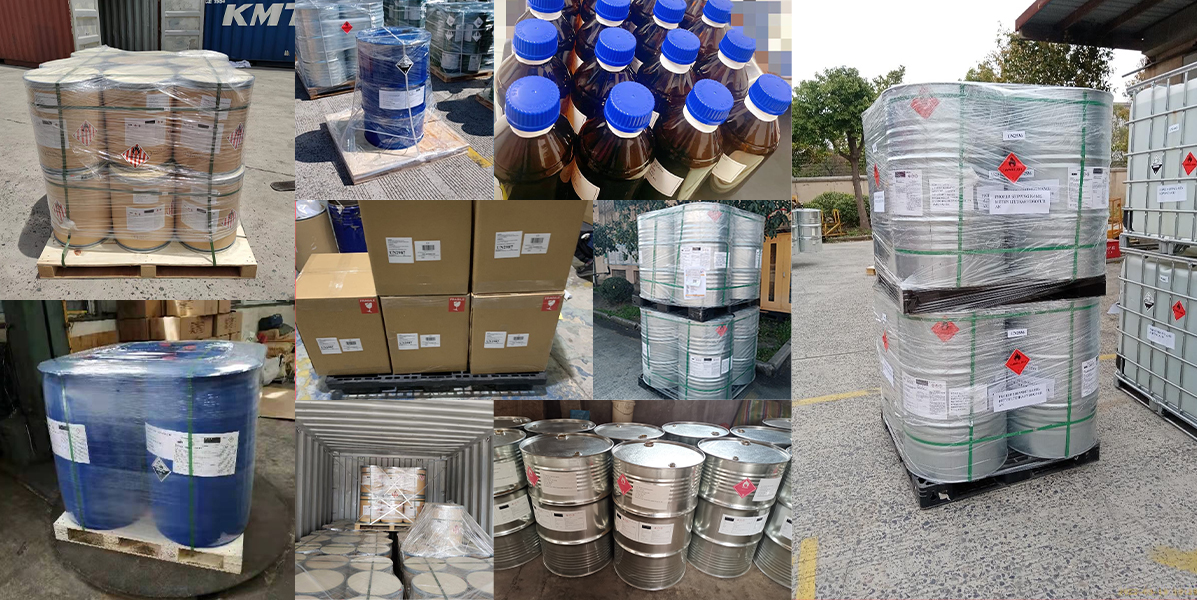
1. 20 years of R&D, manufacturing and sales experience, serving customers in 60 countries and regions around the world;
2. Own R&D laboratory, pilot platform and large-scale production workshop, which can meet the audit requirements of global customers;
3. We can satisfy customers' perfect transition from small scale lab requirements (gram level) to commercialization requirements (hundred tons level).
A: We don't have Minimum Order Quantity, exact quantity should be provided before quotation for us to calculate the exact cost.
A: We don't provide free samples due to lots of request and expensive international courier's cost, we can deduct the sample charge after commercial order placed.
A: Our payment terms: Small or sample order: T/T IN ADVANCE. Commercial order: First order should be by T/T IN ADVANCE or L/C at sight, and following orders T/T 30~90days is acceptable subject to approval of credit application.