
Custom Manufacturing, Project Outsourcing, your Trusted Partner from China
The ability to detect and measure ionizing radiation is fundamental to numerous scientific disciplines, from fundamental physics research to medical diagnostics and environmental monitoring. At the heart of many radiation detection systems are scintillation detectors, which convert the energy deposited by radiation into light signals. A critical component enabling the efficiency and sensitivity of these detectors is the wavelength shifter, and 1,1,4,4-Tetraphenyl-1,3-butadiene (TPB) is a prime example of such a material.
What is Scintillation?
Scintillation is a physical process where certain materials, when struck by ionizing radiation, absorb energy and then re-emit a portion of that energy as photons of light. This light emission is known as scintillation light. The intensity and spectral distribution of this light depend on the scintillator material and the type of radiation. For effective detection, this light needs to be converted into an electrical signal, typically by a photodetector like a photomultiplier tube (PMT) or a silicon photomultiplier (SiPM).
The Role of Wavelength Shifters: Bridging the Gap
While many scintillators emit light in the ultraviolet (UV) or deep blue spectrum, most standard photodetectors have their highest sensitivity in the green or blue visible light range. This mismatch in spectral sensitivity can significantly reduce the overall efficiency of the detection system, as fewer UV photons are converted into detectable electrical signals. This is where wavelength shifters, such as TPB, become indispensable.
TPB (CAS: 1450-63-1) excels as a wavelength shifter by efficiently absorbing UV photons emitted by the scintillator and re-emitting them at longer, visible wavelengths. This shifted light then more closely matches the peak sensitivity of common photodetectors, leading to a substantial increase in the number of detected photons and, consequently, in the overall sensitivity and accuracy of the detector. It acts as a spectral transformer, making otherwise difficult-to-detect UV signals readily observable.
1,1,4,4-Tetraphenyl-1,3-butadiene (TPB): Properties for Performance
TPB's effectiveness as a wavelength shifter is rooted in its specific chemical and physical properties:
Research into TPB's performance in demanding environments, such as liquid argon detectors used in dark matter research, has further validated its utility. Studies explore its behavior at cryogenic temperatures and its interaction with various radiation sources, underscoring its robustness.
Sourcing TPB for Your Detection Needs
For researchers and manufacturers in need of TPB, sourcing from a reliable chemical intermediate supplier in China offers distinct advantages. Access to high-purity 1,1,4,4-tetraphenyl-1,3-butadiene is critical for consistent detector performance. When you buy TPB, consider the following:
We, as a dedicated 1,1,4,4-tetraphenyl-1,3-butadiene supplier, are committed to providing researchers and industries with access to premium-grade TPB. Our focus on quality and reliable supply chains ensures that you can equip your scintillation detectors with the best materials available.
Whether you are designing the next generation of particle detectors or optimizing existing systems, TPB is a key component to consider. Contact us to learn more about its properties and how to secure a consistent supply for your critical applications.
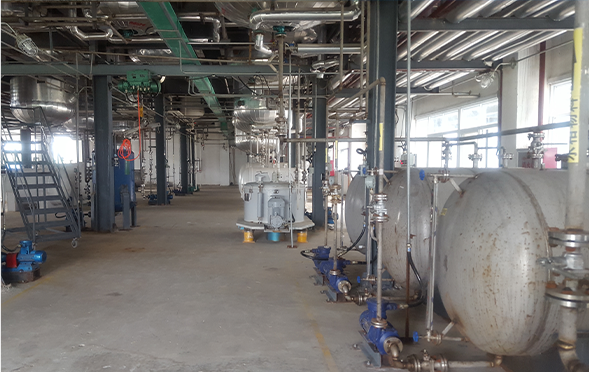
Manufacturing Facilities
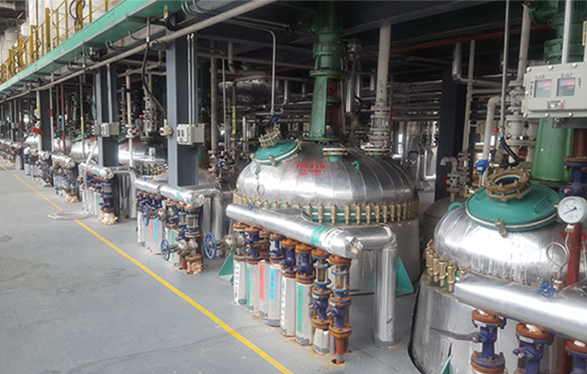
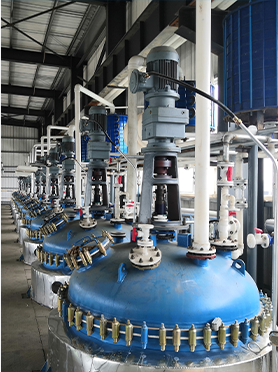

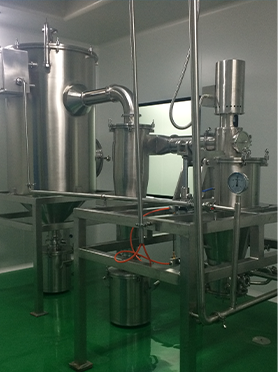
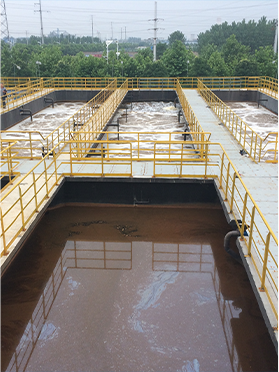
Professional Export Experience
to Global Customers
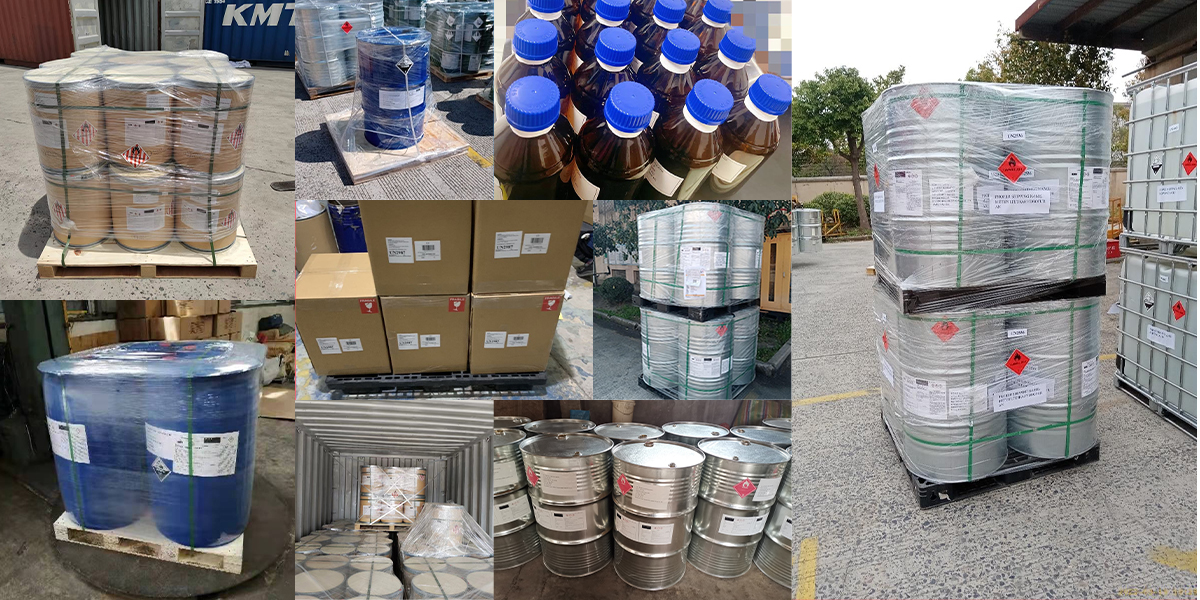
1. 20 years of R&D, manufacturing and sales experience, serving customers in 60 countries and regions around the world;
2. Own R&D laboratory, pilot platform and large-scale production workshop, which can meet the audit requirements of global customers;
3. We can satisfy customers' perfect transition from small scale lab requirements (gram level) to commercialization requirements (hundred tons level).
A: We don't have Minimum Order Quantity, exact quantity should be provided before quotation for us to calculate the exact cost.
A: We don't provide free samples due to lots of request and expensive international courier's cost, we can deduct the sample charge after commercial order placed.
A: Our payment terms: Small or sample order: T/T IN ADVANCE. Commercial order: First order should be by T/T IN ADVANCE or L/C at sight, and following orders T/T 30~90days is acceptable subject to approval of credit application.