
Custom Manufacturing, Project Outsourcing, your Trusted Partner from China
In the rapidly evolving landscape of lighting and display technologies, organic materials are playing an increasingly significant role. Among these, electroluminescent compounds offer unique advantages in terms of flexibility, energy efficiency, and design possibilities. One such compound, 1,1,4,4-Tetraphenyl-1,3-butadiene (TPB), stands out for its ability to emit light when subjected to an electric field, making it a valuable component for future-generation lighting and electronic displays.
The Phenomenon of Electroluminescence
Electroluminescence is a phenomenon where a material emits light in response to an electric current passed through it or an electric field applied across it. This is the fundamental principle behind technologies like light-emitting diodes (LEDs) and organic light-emitting diodes (OLEDs). Unlike incandescent bulbs that produce light through heat, electroluminescent devices generate light through the excitation of electrons within the material, offering higher efficiency and often a wider range of colors and operational characteristics.
1,1,4,4-Tetraphenyl-1,3-butadiene (TPB): A Luminescent Organic Compound
TPB (CAS: 1450-63-1) is an organic molecule renowned for its distinct luminescence properties. When an electric potential is applied across a thin film of TPB, it becomes excited and subsequently emits light, typically in the blue region of the visible spectrum. This characteristic blue emission makes TPB a candidate for use in applications requiring precise color rendering or specific lighting effects.
The advantages of using organic electroluminescent materials like TPB in display and lighting applications include:
TPB's role is not limited to being a primary emitter; it can also function as a host material or an electron transport layer in more complex OLED structures, further enhancing device performance.
Sourcing High-Quality TPB for Electroluminescent Applications
For manufacturers and researchers exploring electroluminescent technologies, sourcing high-purity TPB is crucial. The performance and longevity of electroluminescent devices are highly sensitive to the purity of the organic materials used. Impurities can lead to reduced brightness, altered color, and a significant decrease in operational lifetime.
As a leading chemical intermediate supplier in China, we understand the critical nature of purity and consistency in electronic-grade chemicals. When you choose to buy 1,1,4,4-tetraphenyl-1,3-butadiene from us, you are assured of materials that meet stringent quality standards, essential for reliable performance in your innovative products.
We offer:
TPB represents a significant material in the advancement of lighting and display technologies. Its electroluminescent properties, coupled with the advantages of organic electronics, pave the way for innovative applications. If you are seeking a trusted 1,1,4,4-tetraphenyl-1,3-butadiene supplier to power your next generation of products, we are here to assist.
Contact us today to discuss your requirements for TPB and explore how we can support your endeavors in the exciting field of electroluminescence.
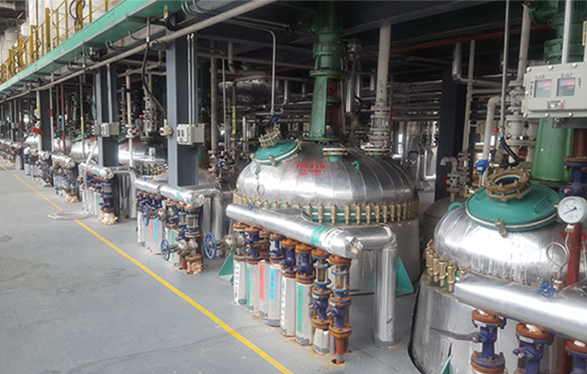
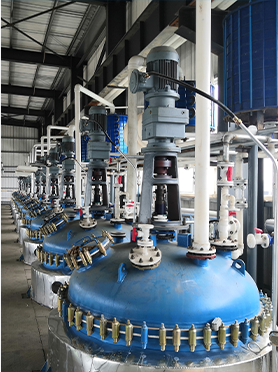
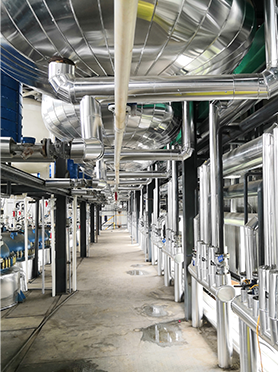
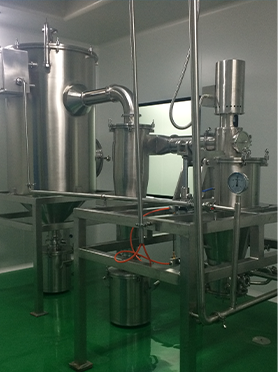
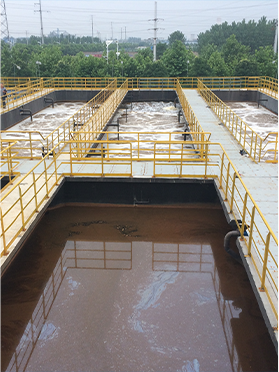
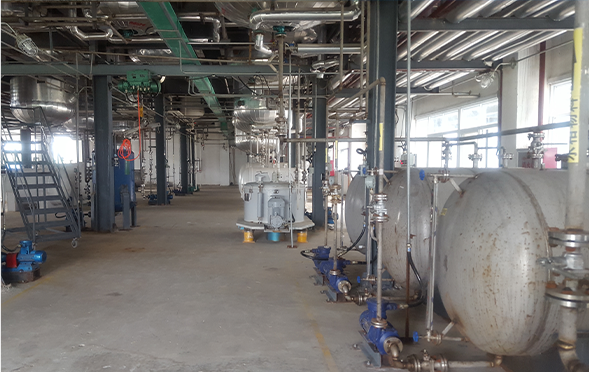
Manufacturing Facilities
Professional Export Experience
to Global Customers
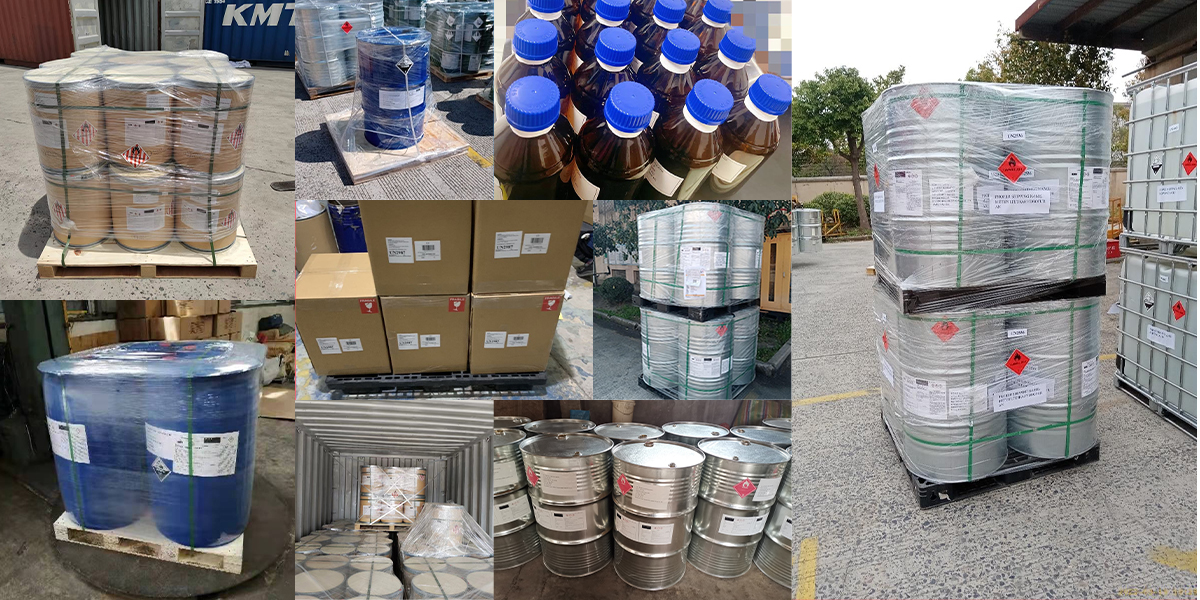
1. 20 years of R&D, manufacturing and sales experience, serving customers in 60 countries and regions around the world;
2. Own R&D laboratory, pilot platform and large-scale production workshop, which can meet the audit requirements of global customers;
3. We can satisfy customers' perfect transition from small scale lab requirements (gram level) to commercialization requirements (hundred tons level).
A: We don't have Minimum Order Quantity, exact quantity should be provided before quotation for us to calculate the exact cost.
A: We don't provide free samples due to lots of request and expensive international courier's cost, we can deduct the sample charge after commercial order placed.
A: Our payment terms: Small or sample order: T/T IN ADVANCE. Commercial order: First order should be by T/T IN ADVANCE or L/C at sight, and following orders T/T 30~90days is acceptable subject to approval of credit application.