
Custom Manufacturing, Project Outsourcing, your Trusted Partner from China
In the dynamic world of textile printing, achieving durable and vibrant designs is a constant challenge. Beyond the pigments themselves, the selection of appropriate printing auxiliaries plays a critical role in the final outcome. Among these, fixing agents are paramount for ensuring the longevity and quality of pigment prints. For R&D scientists and procurement managers in the textile sector, understanding these auxiliaries and their impact on fabric performance is essential for sourcing the best solutions. This article delves into how fixing agents serve as vital textile printing auxiliaries, particularly for pigment applications, and discusses the advantages of sourcing them from global suppliers.
The Role of Fixing Agents in Pigment Printing
Pigment printing involves applying insoluble colorants to the fabric surface, typically bound by a binder. The binder adheres the pigment particles to the textile fibers, but without a fixing agent, this bond can be weak, leading to issues like poor wash fastness, abrasion resistance, and color bleeding. Fixing agents, often acting as crosslinkers, form a robust three-dimensional mesh structure with the binder and pigment. This creates a strong, protective film over the printed area, significantly enhancing the durability of the print.
Key Benefits of Fixing Agents for Pigment Printing
When used effectively, fixing agents as textile printing auxiliaries offer:
Types of Fixing Agents Used in Printing
While the core function is to improve fastness, fixing agents can vary in their chemical composition. Some are based on cationic polymers, while others utilize crosslinking resins. Nonionic or weakly cationic agents are often preferred for pigment printing as they are less likely to interfere with the binder system or cause undesirable fabric changes. When evaluating products, it's crucial to consider compatibility with your specific printing paste formulation and desired fabric outcome.
Sourcing Textile Printing Auxiliaries
For businesses seeking to procure high-quality fixing agents and other textile printing auxiliaries, global sourcing, particularly from established chemical manufacturing hubs like China, can offer significant advantages. Manufacturers in China provide access to a wide range of products, competitive pricing, and increasingly innovative, sustainable formulations. For any R&D scientist or procurement manager, engaging with suppliers who can provide detailed technical specifications, sample testing, and responsive customer support is crucial for successful integration into production workflows.
By understanding the critical role of fixing agents and partnering with reliable suppliers, textile printers can ensure their pigment prints meet the highest standards of durability and aesthetic appeal, satisfying both market demands and brand expectations.
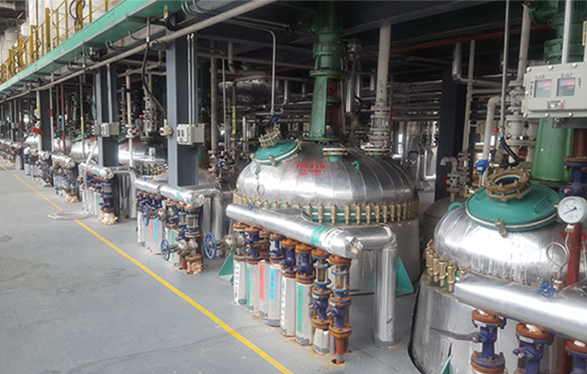
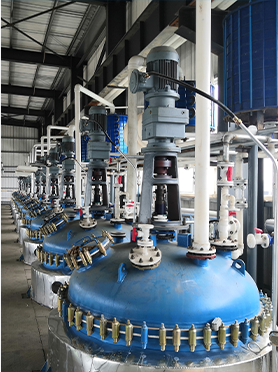
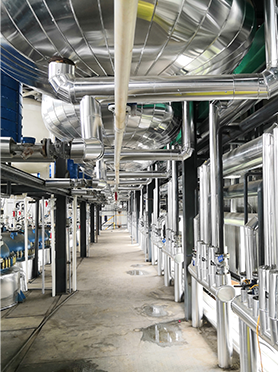
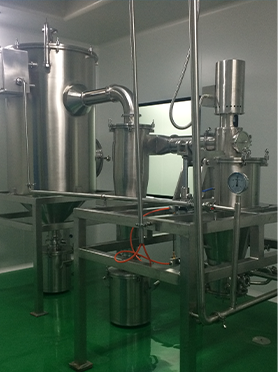
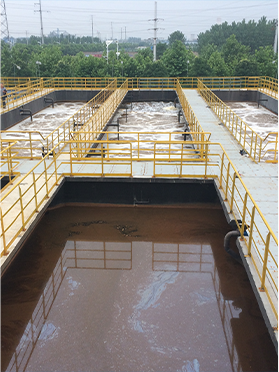
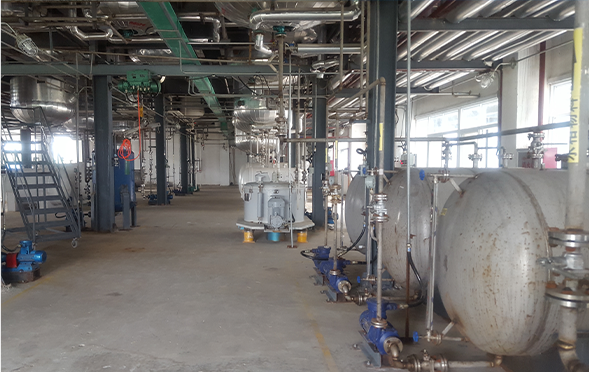
Manufacturing Facilities
Professional Export Experience
to Global Customers
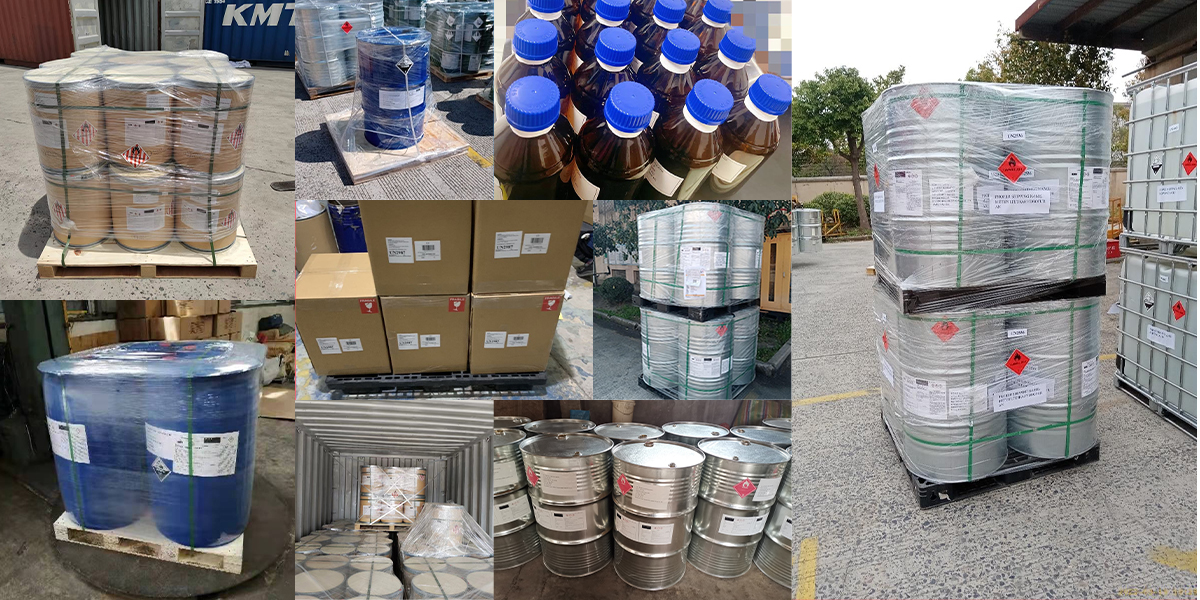
1. 20 years of R&D, manufacturing and sales experience, serving customers in 60 countries and regions around the world;
2. Own R&D laboratory, pilot platform and large-scale production workshop, which can meet the audit requirements of global customers;
3. We can satisfy customers' perfect transition from small scale lab requirements (gram level) to commercialization requirements (hundred tons level).
A: We don't have Minimum Order Quantity, exact quantity should be provided before quotation for us to calculate the exact cost.
A: We don't provide free samples due to lots of request and expensive international courier's cost, we can deduct the sample charge after commercial order placed.
A: Our payment terms: Small or sample order: T/T IN ADVANCE. Commercial order: First order should be by T/T IN ADVANCE or L/C at sight, and following orders T/T 30~90days is acceptable subject to approval of credit application.