
Custom Manufacturing, Project Outsourcing, your Trusted Partner from China
Wet fastness is a critical quality indicator for dyed and printed textiles, referring to a fabric's ability to retain its color when exposed to moisture, such as during washing, perspiration, or immersion. Poor wet fastness can lead to color bleeding, staining of adjacent fabrics, and an overall diminished appearance of the textile product. For professionals in the textile industry, understanding the factors contributing to poor wet fastness and the solutions available is vital for ensuring product quality and customer satisfaction. This article examines the causes of poor wet fastness and highlights the effectiveness of specific chemical auxiliaries, such as cationic fixing agents, as reliable solutions, emphasizing sourcing from reputable manufacturers.
What Causes Poor Wet Fastness?
Several factors can contribute to a textile's poor wet fastness:
Effective Solutions: The Role of Fixing Agents
To combat poor wet fastness, textile manufacturers rely on specialized chemical treatments. Fixing agents, particularly cationic fixing agents, are highly effective in addressing this issue. These agents work by forming strong bonds with the dye molecules, essentially locking them into the fiber structure. This increased affinity significantly reduces the likelihood of dye migration or bleeding when the fabric comes into contact with water.
Cationic fixing agents are especially beneficial for reactive dyes on cellulosic fibers, as well as for many other dye classes. They improve not only wash fastness but also fastness to perspiration and soaping, providing a comprehensive solution for color durability.
Sourcing High-Quality Fixing Agents from China
When sourcing these essential textile chemicals, partnering with reliable manufacturers and suppliers is crucial. China offers a vast market with numerous chemical producers specializing in textile auxiliaries. For procurement professionals and R&D scientists, focusing on suppliers who:
By carefully selecting your supplier and integrating effective fixing agents into your finishing processes, you can significantly improve the wet fastness of your textiles, leading to higher quality products and greater customer satisfaction.
Addressing poor wet fastness is an integral part of textile production quality control. By understanding its causes and employing the right chemical solutions, textile manufacturers can ensure their products meet the highest standards of color retention and durability.
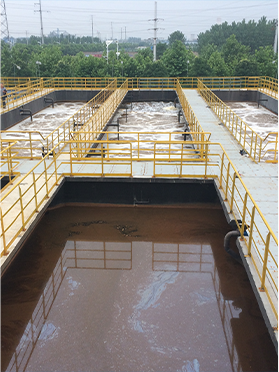
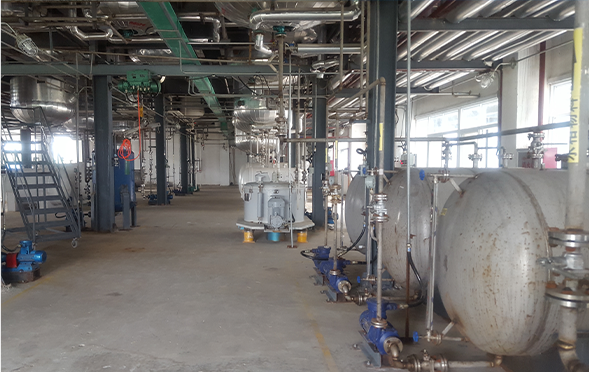
Manufacturing Facilities
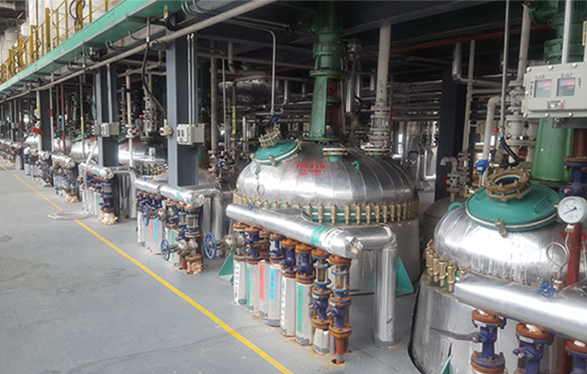
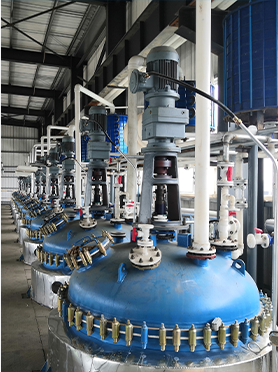
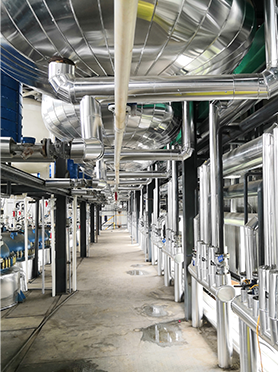
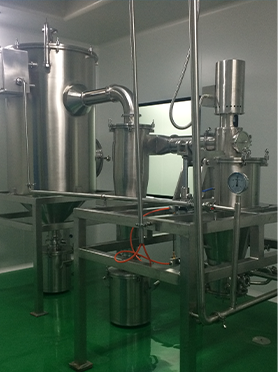
Professional Export Experience
to Global Customers
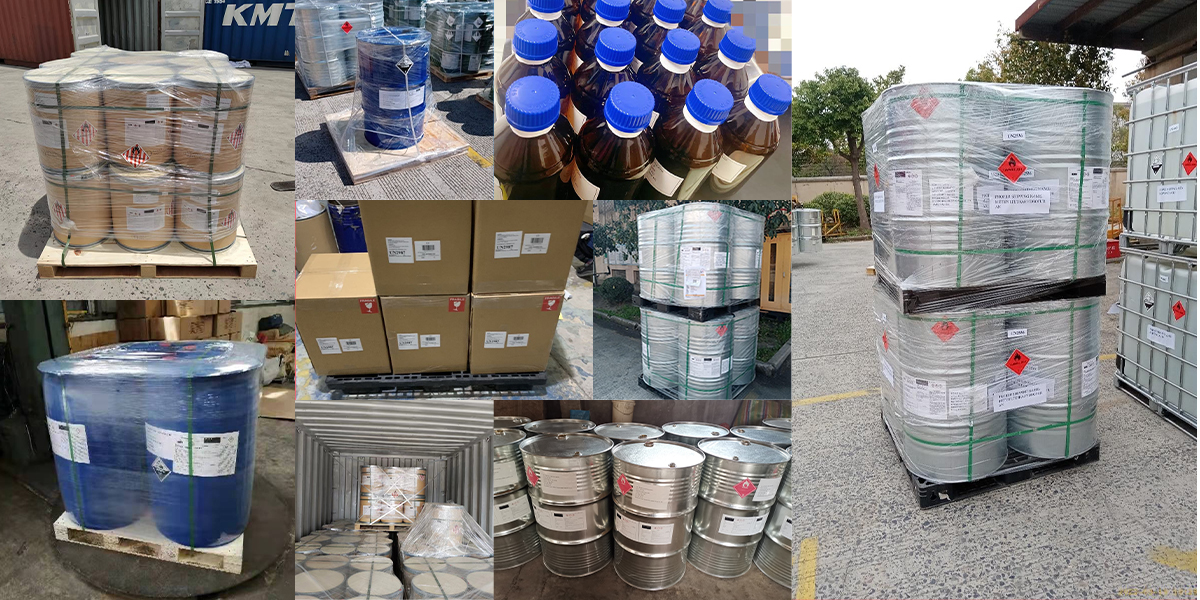
1. 20 years of R&D, manufacturing and sales experience, serving customers in 60 countries and regions around the world;
2. Own R&D laboratory, pilot platform and large-scale production workshop, which can meet the audit requirements of global customers;
3. We can satisfy customers' perfect transition from small scale lab requirements (gram level) to commercialization requirements (hundred tons level).
A: We don't have Minimum Order Quantity, exact quantity should be provided before quotation for us to calculate the exact cost.
A: We don't provide free samples due to lots of request and expensive international courier's cost, we can deduct the sample charge after commercial order placed.
A: Our payment terms: Small or sample order: T/T IN ADVANCE. Commercial order: First order should be by T/T IN ADVANCE or L/C at sight, and following orders T/T 30~90days is acceptable subject to approval of credit application.