20 YEARS OF PROFESSIONAL & DEDICATED SERVICE TO GLOBAL CUSTOMERS

Custom Manufacturing, Project Outsourcing, your Trusted Partner from China

Comparing Zeolite and Activated Carbon in Water Filtration

When selecting filter media for water purification, two prominent materials often considered are zeolite and activated carbon. Both are highly effective in removing contaminants, but they operate through different mechanisms and excel in different areas. As a premier supplier of water treatment materials, we aim to provide clarity on their comparative advantages, helping procurement managers and R&D scientists make informed decisions. Let's explore the nuances of zeolite versus activated carbon in water filtration.

Zeolite: The Ion Exchanger and Adsorbent

Natural zeolite, as discussed previously, is a crystalline aluminosilicate with a unique porous structure. Its primary strengths in water treatment lie in its high capacity for ion exchange and adsorption:

  • Ion Exchange: Zeolite excels at removing positively charged ions (cations) from water, particularly heavy metals like lead, cadmium, and mercury, as well as ammonium ions. This process involves swapping these undesirable ions for less harmful ones like sodium or calcium within the zeolite's framework.
  • Adsorption: The vast internal surface area of zeolite allows it to adsorb molecules, trapping them within its pores. This is effective for removing certain organic compounds and improving water clarity.
  • Targeted Removal: Zeolite is particularly effective against specific ionic contaminants, making it a go-to solution for issues like hard water (calcium and magnesium), ammonia in aquaculture, or heavy metal contamination.

Activated Carbon: The Adsorbent Powerhouse

Activated carbon, typically derived from materials like coal, coconut shells, or wood, undergoes a process that significantly increases its surface area and porosity. Its effectiveness is primarily based on adsorption:

  • Broad-Spectrum Adsorption: Activated carbon is renowned for its ability to adsorb a wide range of organic contaminants, chlorine, and volatile organic compounds (VOCs) responsible for taste and odor issues in water. Its large surface area provides numerous sites for these molecules to adhere to.
  • Chlorine Removal: It is highly effective at removing residual chlorine, which is often added to municipal water supplies for disinfection but can impart an unpleasant taste and odor.
  • VOCs and Taste/Odor Control: Activated carbon is the industry standard for removing compounds that affect the palatability of drinking water.

Zeolite vs. Activated Carbon: Key Differences and Synergy

  • Mechanism: Zeolite primarily uses ion exchange and adsorption, while activated carbon relies almost exclusively on adsorption.
  • Target Contaminants: Zeolite is superior for ionic contaminants, especially heavy metals and ammonia. Activated carbon excels at removing organic compounds, chlorine, and compounds affecting taste and odor.
  • Regeneration: Both can be regenerated, but the methods and effectiveness can vary.
  • Cost: Generally, natural zeolite can be more cost-effective than high-quality activated carbon, especially for bulk applications targeting specific ionic contaminants.

When to Choose Which?

The choice between zeolite and activated carbon often depends on the specific water quality issues you need to address:

  • If your primary concern is heavy metal contamination, ammonia, or hard water, zeolite is often the more effective and economical choice.
  • If the goal is to remove chlorine, organic pollutants, and improve taste and odor, activated carbon is typically the preferred medium.

Synergistic Application

In many advanced water treatment systems, zeolite and activated carbon are used in conjunction to provide comprehensive purification. A multi-stage filtration system might use zeolite to remove heavy metals and ammonia, followed by activated carbon to polish the water by removing residual organics and chlorine. This combination leverages the strengths of both materials for optimal results.

As a reliable supplier, we offer both high-quality natural zeolite powder and various forms of activated carbon. We encourage you to consult with our technical team to determine the best filtration media strategy for your specific needs. Procure high-performance water treatment solutions by contacting us for quotes and samples. Buying directly from our manufacturing base ensures quality and competitive pricing.

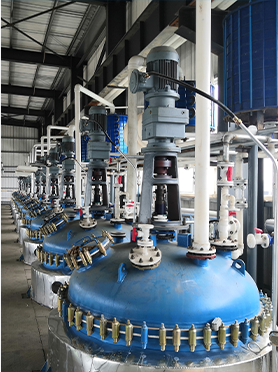
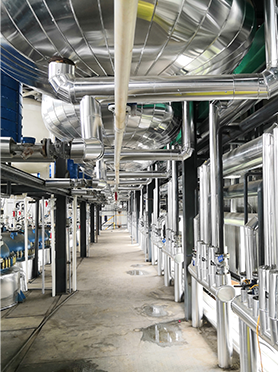
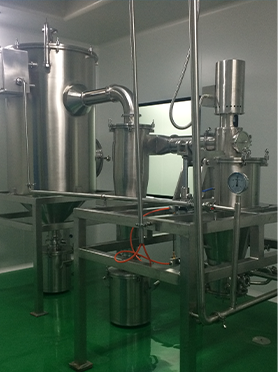
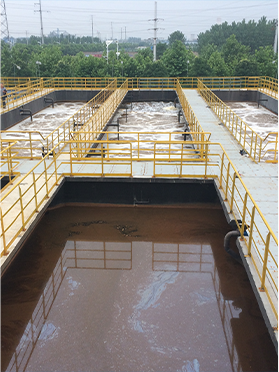
Manufacturing Facilities
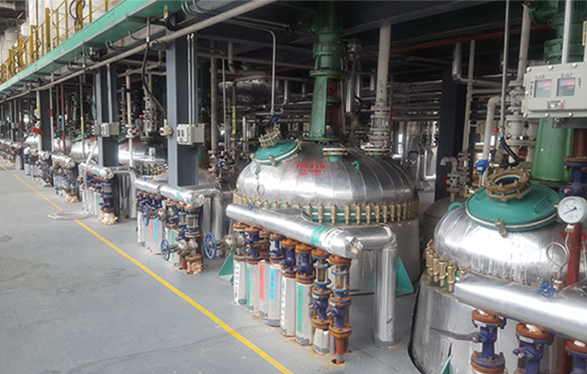
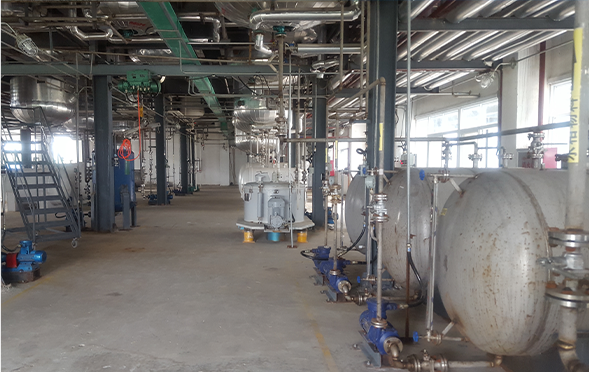
NINGBO INNO PHARMCHEM CO.,LTD. was established in 2007. It is committed to the R&D, production and sales of raw materials, pharmaceutical intermediates and fine chemicals. We striving to create a high-efficiency and high-quality integrated chemical service platform to better serve domestic and foreign customers.

Professional Export Experience

to Global Customers
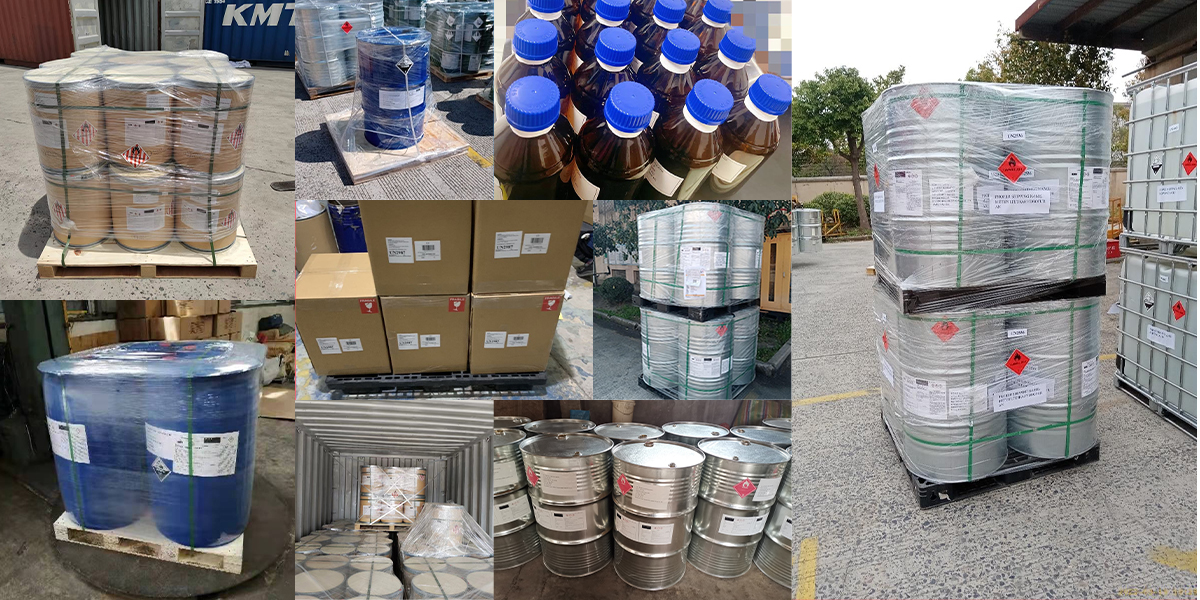
WHY CHOSE US?

1. 20 years of R&D, manufacturing and sales experience, serving customers in 60 countries and regions around the world;

2. Own R&D laboratory, pilot platform and large-scale production workshop, which can meet the audit requirements of global customers;

3. We can satisfy customers' perfect transition from small scale lab requirements (gram level) to commercialization requirements (hundred tons level).

FAQ

  • A: We don't have Minimum Order Quantity, exact quantity should be provided before quotation for us to calculate the exact cost.

  • A: We don't provide free samples due to lots of request and expensive international courier's cost, we can deduct the sample charge after commercial order placed.

  • A: Our payment terms: Small or sample order: T/T IN ADVANCE. Commercial order: First order should be by T/T IN ADVANCE or L/C at sight, and following orders T/T 30~90days is acceptable subject to approval of credit application.


CONTACT US
Should you need to contact us; you may call during regular business hours, Monday through Friday, 8am – 6 pm.
NINGBO INNO PHARMCHEM CO.,LTD.
Address: No.163 Ruiqing Rd.,Ningbo 315000 China
Phone: 86-574-87319282
Fax: 86-574-27912196
SEND US AN EMAIL

NAME*

EMAIL*

COMPANY

COUNTRY*

MESSAGE*

Previous: The Role of Zeolite as a Chemical Auxiliary Agent

Next: The Environmental Benefits of Natural Zeolite in Water Management

All Rights Reserved