Ethyl Linoleate
- CAS No.544-35-4
- GradeIndustrial / Pharmaceutical
- Availability● In Stock
Premium grade Ethyl Linoleate (CAS 544-35-4) designed for advanced nutraceutical formulations supporting healthy lipid metabolism and cardiovascular wellness.
Request Bulk PricingProduct Technical Details
Product Overview
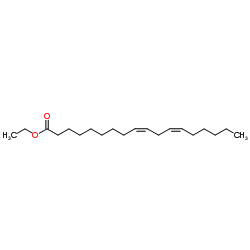
Ethyl Linoleate, chemically known as the ethyl ester of linoleic acid, represents a critical component in the modern nutraceutical and functional food industries. As a derivative of essential fatty acids, this compound is highly valued for its stability and bioavailability compared to its free acid counterpart. Our manufacturing process ensures exceptional purity levels, making it an ideal candidate for high-end dietary supplements and health-focused formulations aimed at supporting cardiovascular health and lipid metabolism.
We understand the stringent requirements of the nutraceutical sector. Therefore, our Ethyl Linoleate is produced under strict quality control protocols to guarantee consistency across batches. This product serves as a versatile building block for developers seeking to enhance the efficacy of their lipid management solutions without compromising on safety or regulatory compliance.
Technical Specifications
| Parameter | Specification |
|---|---|
| Chemical Name | Ethyl Linoleate (JAN) |
| CAS Number | 544-35-4 |
| Molecular Formula | C20H36O2 |
| Molecular Weight | 308.50 g/mol |
| Appearance | Light yellow liquid |
| Purity | ≥99.9% |
| Density | 0.876 g/mL at 25°C |
| Boiling Point | 224°C at 17 mm Hg |
| Refractive Index | n20/D 1.455 |
| Flash Point | 110°C |
Industrial Applications
Primarily utilized in the nutraceutical sector, Ethyl Linoleate is incorporated into formulations designed to support healthy cholesterol levels and maintain optimal blood lipid profiles. Unlike free fatty acids, the ethyl ester form offers improved stability against oxidation, ensuring a longer shelf life for finished products. It is frequently used in softgel capsules, liquid supplements, and functional food matrices where precise dosing of essential fatty acids is required.
Beyond direct supplementation, this ingredient serves as a valuable reference standard in research laboratories focusing on lipid biochemistry and metabolic health. Its high purity allows for accurate performance benchmarking during the development of new cardiovascular support therapies. Manufacturers appreciate its compatibility with various carrier oils and excipients, facilitating smooth integration into complex delivery systems.
Quality Assurance and Handling
Our commitment to quality extends beyond the final product. Each batch undergoes rigorous testing using advanced chromatographic methods to verify identity and purity. We provide comprehensive Certificates of Analysis (COA) with every shipment, ensuring full traceability and compliance with international standards. This transparency allows our partners to maintain their own quality certifications with confidence.
Proper handling is essential to maintain the integrity of Ethyl Linoleate. The product should be stored in tightly sealed containers made of aluminum or glass to prevent exposure to moisture and light. We recommend maintaining storage temperatures between 2°C and 8°C in a cool, ventilated environment. Avoiding heat and direct sunlight is crucial to prevent degradation of the unsaturated bonds within the molecule. Our packaging options range from 1L bottles for sampling to 25L drums for large-scale production needs.
Why Choose Our Ethyl Linoleate
- Consistent high purity ≥99.9% for reliable formulation performance.
- Enhanced stability compared to free acid forms for extended shelf life.
- Full regulatory documentation and COA support for global markets.
- Competitive bulk pricing structures for large-volume manufacturers.
- Technical support available for formulation guidance and optimization.
Partner with us for a supply chain you can trust. Our global manufacturing capabilities ensure timely delivery and consistent quality, empowering your product development team to innovate without supply constraints.