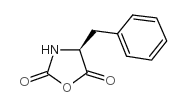
(4S)-4-Benzyl-1,3-Oxazolidine-2,5-Dione
- CAS No.14825-82-2
- GradeIndustrial / Pharmaceutical
- Availability● In Stock
High-purity Phenylalanine NCA intermediate designed for advanced peptide synthesis and pharmaceutical research applications with strict quality control.
Request Bulk PricingProduct Technical Details
Product Overview
(4S)-4-Benzyl-1,3-Oxazolidine-2,5-Dione, commonly known as Phenylalanine N-Carboxyanhydride (Phe-NCA), represents a critical building block in the field of synthetic polypeptides and pharmaceutical intermediates. This chiral compound serves as an activated monomer essential for the ring-opening polymerization of amino acids, enabling the precise construction of complex peptide chains and protein-mimetic materials. Our manufacturing process ensures exceptional stereochemical integrity at the 4S position, which is vital for maintaining the biological activity and structural consistency of the final synthesized peptides.
As a leading supplier in the fine chemicals sector, we understand the sensitivity of NCA derivatives to moisture and heat. Therefore, our production facilities adhere to strict anhydrous conditions to guarantee product stability and reactivity. This compound is extensively utilized in academic research, drug discovery programs, and the development of biomaterials where high fidelity in amino acid sequencing is required.
Key Specifications
| Parameter | Specification |
|---|---|
| Chemical Name | (4S)-4-Benzyl-1,3-Oxazolidine-2,5-Dione |
| CAS Registry Number | 14825-82-2 |
| Molecular Formula | C10H9NO3 |
| Molecular Weight | 191.18 g/mol |
| Appearance | White to off-white crystalline powder |
| Purity (HPLC) | ≥98.0% |
| Water Content | ≤1.0% |
| Melting Point | Approx. 90°C |
| Storage Condition | Store at -20°C to 0°C, keep tightly closed |
Industrial Applications
The primary application of this oxazolidine dione derivative lies in the synthesis of polyphenylalanine and various copolymers used in biomedical engineering. Due to its high reactivity, it facilitates efficient polymerization reactions under controlled conditions. Pharmaceutical companies utilize this intermediate for the development of peptide-based therapeutics, where the L-configuration of the phenylalanine residue is non-negotiable for receptor binding and metabolic stability.
- Peptide Synthesis: Acts as a activated monomer for stepwise peptide elongation.
- Polymer Chemistry: Used in the preparation of biodegradable polypeptides.
- Drug Discovery: Serves as a key intermediate for novel API development.
- Material Science: Employed in creating hydrogels and nanostructured materials.
Quality Assurance and Handling
Quality is paramount in the production of sensitive amino acid derivatives. Each batch undergoes rigorous testing using High-Performance Liquid Chromatography (HPLC) and Nuclear Magnetic Resonance (NMR) spectroscopy to confirm identity and purity. We provide a comprehensive Certificate of Analysis (COA) with every shipment, detailing all critical quality attributes. Given the hygroscopic nature of NCAs, proper handling is essential. Users are advised to manipulate this material in a glove box or under an inert atmosphere such as nitrogen or argon to prevent premature hydrolysis.
Our global logistics network ensures that temperature-sensitive products are shipped with appropriate cold chain packaging. Whether you require kilogram-scale quantities for pilot studies or ton-scale supply for commercial manufacturing, our team is equipped to meet your demand with consistent quality and competitive bulk pricing. Contact our technical sales team today to discuss your specific synthesis requirements and request a sample for evaluation.