Glucagon-Like Peptide-1 (7-36), Amide, Human
- CAS No.107444-51-9
- GradeIndustrial / Pharmaceutical
- Availability● In Stock
High-purity human GLP-1 (7-36) amide for advanced metabolic and diabetes-related research applications.
Request Bulk PricingProduct Technical Details
Product Overview
Glucagon-Like Peptide-1 (7-36), amide, human is a biologically active fragment of the endogenous incretin hormone GLP-1. This peptide plays a pivotal role in glucose homeostasis by enhancing glucose-dependent insulin secretion from pancreatic beta cells while simultaneously suppressing glucagon release and delaying gastric emptying. Synthesized to stringent pharmaceutical standards, it serves as a critical tool in metabolic disorder research and the development of next-generation therapeutics.
Specifications
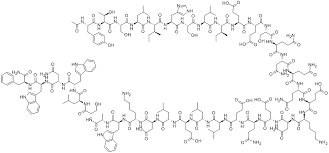
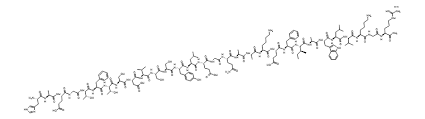
| Molecular Formula | C₁₄₉H₂₂₆N₄₀O₄₅ |
|---|---|
| Molecular Weight | 3297.63 g/mol |
| Density | 1.5 ± 0.1 g/cm³ |
| Refractive Index | 1.660 |
| Appearance | White to off-white powder |
| Assay (Purity) | ≥98.0% |
| Packaging | 25 kg/drum; custom packaging available upon request |
| Storage | Store in a cool, dry, and well-ventilated area |
Industrial Applications
This high-purity peptide is primarily utilized in preclinical and clinical research settings focused on type 2 diabetes, obesity, and related metabolic syndromes. Its well-characterized biological activity makes it an ideal reference standard or active component in formulation studies aimed at developing stable, long-acting GLP-1 receptor agonists. Researchers leverage this material for:
- In vitro and in vivo studies of insulinotropic mechanisms
- Structure-activity relationship (SAR) analyses of incretin mimetics
- Development of biosimilar or novel peptide-based therapeutics
- Performance benchmarking against existing GLP-1 analogs
As a functional building block with defined physiological effects, it supports innovation in advanced organic synthesis and neurological therapeutics without involvement in any controlled or restricted substances.