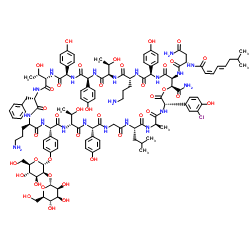
Ramoplanin
- CAS No.76168-82-6
- GradeIndustrial / Pharmaceutical
- Availability● In Stock
High purity Ramoplanin (CAS 76168-82-6) is a glycolipodepsipeptide antibiotic intermediate designed for pharmaceutical research and development applications.
Request Bulk PricingProduct Technical Details
Product Overview
Ramoplanin represents a significant class of glycolipodepsipeptide antibiotics derived from the fermentation broth of Actinoplanes strain ATCC 33076. As a specialized chemical entity, it is primarily utilized in pharmaceutical research and development sectors focusing on novel antibacterial mechanisms. Our facility ensures that each batch undergoes rigorous quality control to meet the demanding standards required for advanced biochemical studies and drug discovery pipelines.
This compound is characterized by its complex molecular architecture, which enables potent activity against Gram-positive bacteria. For B2B clients engaged in the synthesis of new therapeutic agents or those requiring reference standards for analytical validation, Ramoplanin serves as a critical building block. We provide this material with comprehensive documentation to support regulatory compliance and research integrity.
Chemical Properties & Specifications
The chemical integrity of Ramoplanin is maintained through advanced purification processes. Below are the key physical and chemical parameters that define our standard production grade. Clients requiring custom specifications or additional analytical data are encouraged to contact our technical support team for tailored solutions.
| Parameter | Specification |
|---|---|
| CAS Number | 76168-82-6 |
| Molecular Formula | C106H170ClN21O30 |
| Molecular Weight | 2554.066 g/mol |
| Appearance | White to off-white powder |
| Purity (Assay) | ≥98.0% |
| Density | 1.5±0.1 g/cm3 |
| Refractive Index | 1.689 |
Mechanism of Action
From a biochemical perspective, Ramoplanin exerts its bactericidal effects through a distinct mechanism involving the inhibition of cell wall biosynthesis. Specifically, it targets the transglycosylation step of peptidoglycan synthesis. This mode of action prevents the polymerization of lipid II, thereby disrupting the structural integrity of the bacterial cell wall. Such specificity makes it a valuable tool for researchers studying bacterial resistance mechanisms and developing next-generation antimicrobial strategies.
Understanding this mechanism is crucial for formulators and scientists working on combination therapies or novel drug delivery systems. The compound's ability to bind to lipid intermediates offers unique opportunities for structure-activity relationship (SAR) studies in medicinal chemistry.
Industrial Applications
Our Ramoplanin supply is optimized for various high-value applications within the pharmaceutical and biotechnology industries. Key usage scenarios include:
- Pharmaceutical intermediate for antibiotic drug development.
- Reference standard for analytical chromatography and mass spectrometry.
- Research tool for studying bacterial cell wall biosynthesis pathways.
- Component in specialized formulations for antimicrobial efficacy testing.
- Substrate for enzymatic studies involving transglycosylase inhibitors.
Storage & Handling
To maintain stability and potency, proper storage conditions are essential. The material should be kept in a cool, ventilated environment away from direct sunlight and moisture sources. Containers must remain tightly sealed when not in use to prevent degradation. For large-scale industrial handling, we recommend adhering to standard safety protocols for fine chemical powders. Packaging is available in 25 kg drums, with flexibility to accommodate specific customer logistics requirements. Each shipment includes a Certificate of Analysis (COA) to verify quality parameters upon receipt.