Tesamorelin
- CAS No.218949-48-5
- GradeIndustrial / Pharmaceutical
- Availability● In Stock
High-purity Tesamorelin peptide available for licensed pharmaceutical research and development. Strict quality control ensures consistency for metabolic studies.
Request Bulk PricingProduct Technical Details
Product Overview
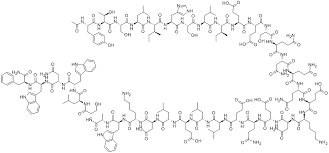
Tesamorelin is a sophisticated synthetic peptide consisting of forty-four amino acids, functioning as a growth hormone-releasing hormone (GHRH) analog. This advanced biochemical compound is primarily utilized in pharmaceutical research and licensed therapeutic development. Our facility specializes in the production of high-quality peptide sequences that meet rigorous international standards for purity and stability. As a leading supplier in the fine chemicals sector, we provide Tesamorelin for authorized scientific investigations and regulated manufacturing processes.
The molecular architecture of this peptide is designed to mimic the natural biological activity of endogenous growth hormone-releasing factors. It represents a significant class of biologically active molecules used in exploring metabolic regulation and protein synthesis pathways. Our production capabilities ensure that each batch maintains the structural integrity required for sensitive biochemical applications.
Chemical Specifications
We adhere to strict quality assurance protocols to guarantee the consistency and reliability of our peptide products. The following table outlines the key physical and chemical parameters associated with this material. All specifications are verified through advanced analytical methods including high-performance liquid chromatography and mass spectrometry.
| Parameter | Specification |
|---|---|
| CAS Number | 218949-48-5 |
| Molecular Formula | C220H364N72O67S |
| Molecular Weight | 5121.74 g/mol |
| Appearance | White to off-white powder |
| Purity (Assay) | ≥98.0% |
| Storage Conditions | Cool, ventilated place, protected from light |
Quality Assurance and Control
Quality is the cornerstone of our manufacturing philosophy. Every production run undergoes comprehensive testing to ensure compliance with specified purity levels. We employ state-of-the-art analytical instrumentation to detect impurities and verify the amino acid sequence. Our quality control team documents every step of the synthesis and purification process, providing a Certificate of Analysis (COA) with each shipment. This transparency allows our partners to maintain their own regulatory compliance and product safety standards.
We understand the critical nature of peptide stability. Therefore, our packaging solutions are designed to protect the material from moisture, light, and temperature fluctuations during transit. Custom packaging options are available to meet specific logistical requirements, ensuring the product arrives in optimal condition for immediate use in research or formulation.
Industrial Applications
Tesamorelin is utilized in specialized pharmaceutical research focusing on metabolic regulation and endocrine function studies. It serves as a valuable tool for investigating the mechanisms of growth hormone secretion and its effects on adipose tissue distribution. Researchers employ this peptide to develop novel therapeutic strategies for conditions related to metabolic imbalance.
In the context of licensed manufacturing, this compound is integrated into formulation processes under strict regulatory oversight. It is essential for partners to adhere to all local and international laws regarding the handling and use of pharmaceutical active ingredients. Our company supports only legitimate, compliant, and ethically conducted research and production activities. We do not endorse or facilitate any unapproved medical use or consumer-level application of this substance.
Storage and Handling
Proper storage is vital to maintain the efficacy of this peptide. The material should be kept in a cool, dry, and well-ventilated environment, away from direct sunlight and sources of heat. Containers must be tightly sealed to prevent exposure to atmospheric moisture, which can degrade peptide bonds over time. Personnel handling this material should follow standard laboratory safety procedures, including the use of appropriate personal protective equipment.
For long-term preservation, refrigeration is recommended unless otherwise specified in the technical documentation. By following these guidelines, researchers and manufacturers can ensure the stability and performance of the product throughout its shelf life. Our technical support team is available to provide additional guidance on handling protocols and stability data upon request.