
Microcrystalline Cellulose: A Pharmaceutical Excipient Essential for Tablet and Capsule Formulation
Discover the indispensable role of MCC in creating stable, effective, and easy-to-administer pharmaceutical dosage forms.
Get a Quote & SampleProduct Core Value
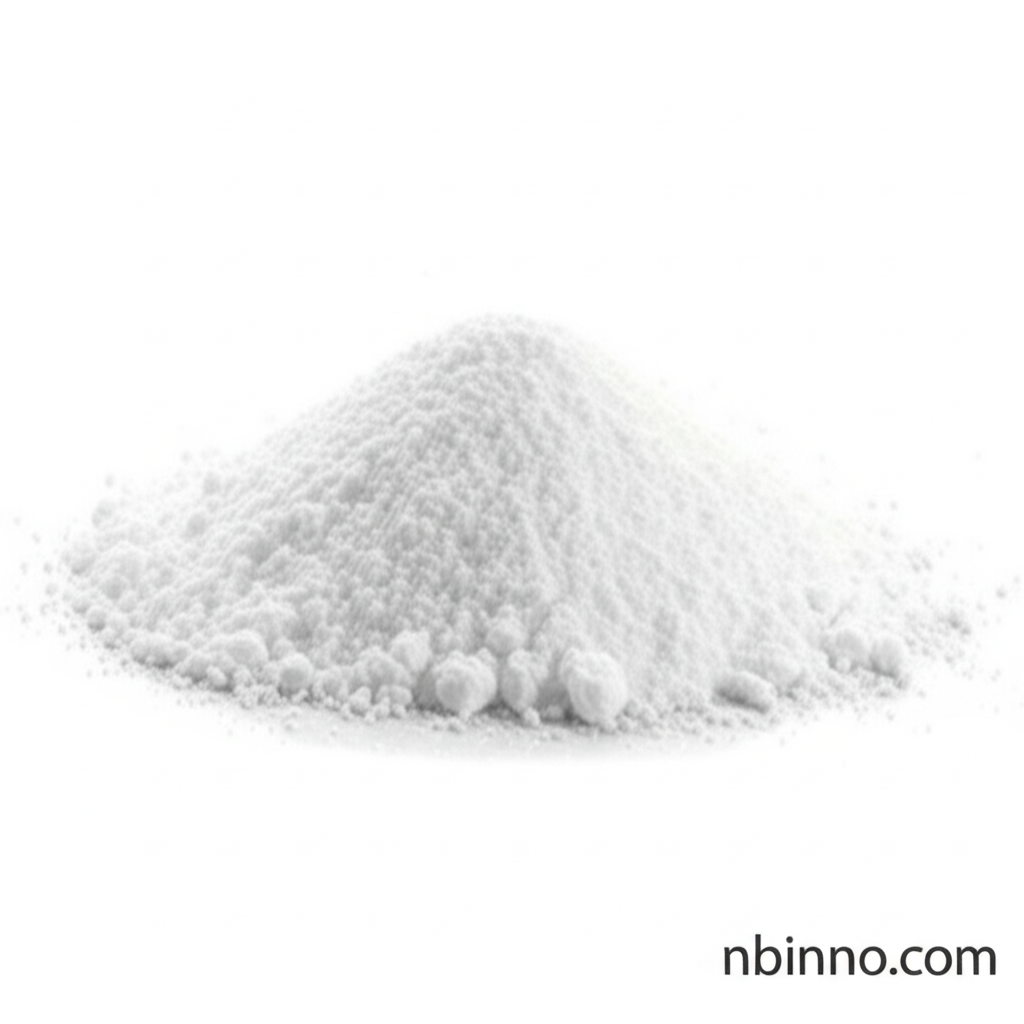
Microcrystalline Cellulose
Microcrystalline Cellulose (MCC) is a vital plant-derived excipient, playing a multifaceted role in pharmaceutical manufacturing. Its primary function is to act as a binder, ensuring tablets remain cohesive and intact during production and handling. MCC also serves as a filler, adding bulk to formulations, and as a disintegrant, promoting the timely breakdown of tablets in the body to release active pharmaceutical ingredients. Its exceptional compressibility and flowability make it ideal for direct compression tablet manufacturing, streamlining processes and reducing costs.
- The core value of Microcrystalline Cellulose lies in its unparalleled performance as a pharmaceutical excipient, enabling efficient tablet manufacturing through its binding and compressibility properties.
- MCC's role as a disintegrant ensures optimal drug release and bioavailability, making it a critical component for effective medication delivery.
- The chemical inertness of Microcrystalline Cellulose prevents unwanted reactions with active pharmaceutical ingredients, maintaining drug stability and efficacy throughout the product's shelf life.
- As a cost-effective solution, MCC simplifies formulation processes and reduces manufacturing costs, providing a practical choice for pharmaceutical producers.
Key Advantages of Microcrystalline Cellulose
Enhanced Tabletability
Leveraging its exceptional compressibility, MCC facilitates the production of robust tablets with uniform hardness, minimizing friability and ensuring consistent product quality for microcrystalline cellulose for tablet manufacturing.
Efficient Drug Release
As a potent disintegrant, MCC ensures rapid tablet breakdown, which is crucial for timely drug absorption and improved bioavailability, a key benefit when using microcrystalline cellulose disintegrant.
Manufacturing Efficiency
The excellent flowability of MCC supports direct compression processes, simplifying manufacturing workflows and reducing the need for complex granulation steps, a hallmark of a good direct compression excipient.
Key Applications
Tablet Manufacturing
MCC is the preferred excipient for direct compression and wet granulation, providing essential binding and disintegration properties for robust tablet formation, as highlighted in discussions about pharmaceutical grade MCC.
Capsule Filling
In capsule formulations, MCC acts as a filler, ensuring consistent dosage and preventing powder caking, a common application discussed for MCC in capsules.
Dietary Supplements
Its inert nature and binding capabilities make MCC an ideal component in dietary supplements, supporting tablet and capsule integrity, as noted in the benefits of microcrystalline cellulose.
Pharmaceutical Formulations
As a versatile excipient, MCC is integral to a wide array of pharmaceutical formulations, offering solutions for improved drug delivery and manufacturing efficiency, as exemplified by various pharmaceutical excipient supplier offerings.