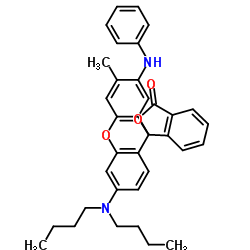
2-Anilino-6-dibutylamino-3-methylfluoran
- CAS No.89331-94-2
- GradeIndustrial / Pharmaceutical
- Availability● In Stock
High purity thermal paper dye coupler designed for sensitive coating applications with stable color formation.
Request Bulk PricingProduct Technical Details
Product Overview
2-Anilino-6-dibutylamino-3-methylfluoran is a high-performance leuco dye specifically engineered for use in thermal paper manufacturing. This specialized chemical acts as a crucial color former that reacts under heat or pressure to produce clear, high-contrast images. Our grade ensures exceptional purity and consistency, making it an ideal choice for producers of receipt paper, labels, and fax rolls requiring reliable performance.
As a member of the fluoran dye family, this compound offers superior sensitivity and background stability compared to traditional alternatives. The molecular structure provides excellent resistance to environmental factors, ensuring that printed information remains legible over extended periods. We maintain strict quality control protocols to guarantee batch-to-batch uniformity for large-scale industrial operations.
Technical Specifications
| Parameter | Value |
|---|---|
| Chemical Name | 2-Anilino-6-dibutylamino-3-methylfluoran |
| CAS Number | 89331-94-2 |
| Molecular Formula | C35H36N2O3 |
| Molecular Weight | 532.67 g/mol |
| Appearance | White powder |
| Purity | Greater than or equal to 99.5 percent |
| Melting Point | 179 to 184 degrees Celsius |
| Density | 1.23 g/cm3 |
Industrial Applications
This product serves primarily as a coupler in heat-sensitive paper coatings. When incorporated into the thermal layer, it reacts with developers upon exposure to specific temperatures, generating dark marks without the need for ink or ribbons. This technology is fundamental to point-of-sale systems, logistics labeling, and medical recording devices.
- Thermal receipt paper production
- High-speed labeling solutions
- Facsimile paper manufacturing
- Ticketing and tagging systems
Manufacturers benefit from its low activation energy and sharp color transition, which reduces energy consumption during printing processes. The chemical compatibility with various binder systems allows for flexible formulation adjustments to meet specific end-user requirements.
Storage and Handling
To maintain optimal quality, store this material in closed vessels within a refrigerated environment. Protect from moisture and direct sunlight to prevent premature reaction or degradation. Proper handling procedures ensure safety and preserve the chemical integrity required for high-quality thermal paper production. We recommend consulting the safety data sheet for detailed handling instructions before use.