2-Ethylhexyl Glycidyl Ether
- CAS No.2461-15-6
- GradeIndustrial / Pharmaceutical
- Availability● In Stock
High-purity 2-Ethylhexyl Glycidyl Ether serving as an effective reactive diluent to enhance flexibility and reduce viscosity in epoxy systems.
Request Bulk PricingProduct Technical Details
Product Overview
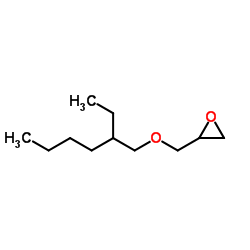
2-Ethylhexyl Glycidyl Ether (EHGE) represents a high-performance epoxy reactive diluent designed for advanced polymer engineering and industrial composite manufacturing. Chemically characterized by its stable oxirane ring structure, this compound serves as a critical modifier in epoxy resin formulations. It is specifically engineered to reduce system viscosity without compromising the mechanical integrity of the cured polymer matrix. Our manufacturing process ensures consistent industrial purity, making it a reliable choice for demanding electrical and structural applications.
Key Properties and Specifications
This glycidyl ether exhibits a unique balance of reactivity and physical stability. With a molecular weight of 186.29 g/mol and a molecular formula of C11H22O2, it integrates seamlessly into various resin systems. The low viscosity profile allows for easier processing during impregnation and winding operations. Furthermore, its colorless liquid appearance ensures that final products maintain aesthetic clarity where required. The epoxy value typically ranges between 0.4 and 0.45 eq/100g, providing predictable crosslinking density during curing cycles.
Technical stability is a hallmark of this material. It remains stable under standard storage conditions but is combustible and must be kept away from strong oxidizing agents, acids, and bases. The flash point of 206°F indicates standard handling precautions applicable to organic solvents and reactive diluents. Refractive index values around 1.434 confirm the high purity and consistency of each production batch.
Industrial Applications
EHGE is primarily utilized as an active diluent to modify the rheological properties of epoxy systems. By reducing resin viscosity, it facilitates improved wetting of fibers and fillers, which is essential for high-quality laminate production. Key application areas include:
- Electrical Insulation: Used extensively in pouring and winding electrical products to ensure void-free encapsulation.
- Composite Manufacturing: Enhances flexibility and mechanical properties in ground bed and impregnation processes.
- Wet Impregnation Laminates: Improves flow characteristics during the lamination process.
- Encapsulation: Provides superior protection for sensitive electronic components through effective sealing.
Quality Assurance and Storage
Every batch undergoes rigorous analysis to conform to factory standards. Parameters such as APHA color, hydrolyzable chloride, and moisture content are strictly monitored to ensure optimal performance. For storage, keep the product in a cool, dry, and dark location within tightly sealed containers. Protect cylinders from physical damage and secure the storage area against untrained access. Proper labeling and segregation from incompatible materials are mandatory for safety compliance.
| Items of Analysis | Standard of Analysis | Test Results |
|---|---|---|
| Appearance | Clear liquid, no mechanical impurities | Conform |
| APHA Color | ≤20 | 5 |
| Viscosity (25℃) | 2-8 mpa.s | 4 mpa.s |
| Epoxy Value | 0.4-0.45 eq/100g | 0.444 eq/100g |
| Hydrolyzable Chloride | ≤0.2% | 0.008% |
| Inorganic Chlorine | ≤20 mg/kg | 1 mg/kg |
| Moisture Content | ≤0.1% | 0.06% |