3-Ureapropyltriethoxysilane
- CAS No.116912-64-2
- GradeIndustrial / Pharmaceutical
- Availability● In Stock
High-purity 3-Ureapropyltriethoxysilane coupling agent enhancing adhesion and mechanical properties in polymer composites and rubber formulations.
Request Bulk PricingProduct Technical Details
Product Overview
3-Ureapropyltriethoxysilane (CAS 116912-64-2) is a high-performance organosilicon coupling agent designed to bridge the interface between inorganic substrates and organic polymers. This specialized chemical features a unique urea functional group attached to a triethoxysilyl backbone, providing exceptional compatibility and reactivity. As a leading manufacturer, we supply this material to enhance the mechanical integrity and durability of advanced composite materials.
The molecule acts as a molecular bridge, chemically bonding to surfaces such as glass, minerals, and metals while simultaneously interacting with polymer matrices. This dual functionality results in significant improvements in adhesion strength, moisture resistance, and overall composite performance. Our production process ensures high purity and consistent quality, making it an ideal choice for demanding industrial applications.
Technical Specifications
| Parameter | Specification |
|---|---|
| Product Name | 3-Ureapropyltriethoxysilane |
| CAS Number | 116912-64-2 |
| Appearance | Colorless transparent liquid |
| Content | 50% Methanol Solution |
| Functionality | Urea Organofunctional |
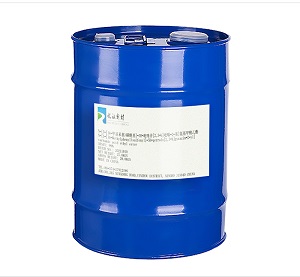
| Packaging | 180Kg Iron Drum |
Industrial Applications
This silane coupling agent is extensively utilized in the modification of filled polymer materials. It is highly effective in both thermosetting and thermoplastic systems, including epoxy resins, phenolic compounds, polyvinyl chloride (PVC), polystyrene, and nitrile formulations. By treating inorganic fillers, it ensures uniform dispersion and strong interfacial bonding within the polymer matrix.
In the rubber industry, this product delivers outstanding results. It is suitable for various rubber types such as Natural Rubber (NR), EPDM, SBR, Nitrile Rubber, Neoprene, and Polyurethane Rubber. The addition of this coupling agent improves mechanical properties, enhances wear resistance, and reduces permanent deformation. It is particularly beneficial for applications requiring robust adhesion between rubber compounds and reinforcing fillers like silica, quartz powder, talc, mica, and glass fibers.
Key Performance Benefits
- Superior adhesion promotion between organic polymers and inorganic substrates.
- Enhanced corrosion resistance and oxidation stability for metal surfaces.
- Improved mechanical strength and wear resistance in rubber composites.
- Reduced viscosity during processing, facilitating easier manufacturing.
- Excellent compatibility with a wide range of silicon-containing substances.
Storage and Handling
To maintain optimal quality, store this product in its original unopened container at temperatures of 25℃ or below. The shelf life is six months from the date of production. Expired products should only be used after passing rigorous quality control tests. Always follow standard safety protocols when handling chemical materials, ensuring adequate ventilation and protective equipment are used during transfer and formulation processes.