Antioxidant 697
- CAS No.70331-94-1
- GradeIndustrial / Pharmaceutical
- Availability● In Stock
High-performance hindered phenolic antioxidant and metal deactivator designed for superior polymer stabilization and processing efficiency.
Request Bulk PricingProduct Technical Details
Product Overview
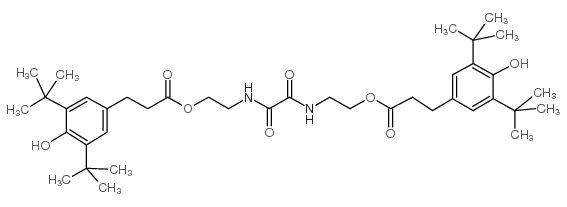
Antioxidant 697 represents a class of advanced hindered phenolic antioxidants specifically engineered to function as effective metal deactivators. This specialized chemical additive is crucial for mitigating the detrimental effects exerted by copper and other transition metals often found in residual polymer catalysts, inorganic pigments, or mineral-filled polymer systems. By neutralizing these metal ions, the compound significantly enhances the longevity and performance of polymers during both high-temperature processing and extended service life.
Our manufacturing process ensures exceptional purity levels, making this product suitable for sensitive applications where discoloration and staining must be avoided. The molecular structure provides robust stability against oxidative degradation, ensuring that final products maintain their mechanical integrity and aesthetic quality over time.
Technical Specifications
Quality control is paramount in our production facility. Each batch undergoes rigorous testing to ensure compliance with international standards. The following table outlines the key physical and chemical characteristics of this material.
| Test Parameter | Unit | Specification |
|---|---|---|
| Appearance | - | White Powder |
| Melting Point | ℃ | 174.00-180.00 |
| Volatiles | % | 0.50 Max |
| Ash Content | % | 0.10 Max |
| Transmittance (425nm) | % | 97.00 Min |
| Transmittance (500nm) | % | 98.00 Min |
| Assay | % | 99.00 Min |
Industrial Applications
This antioxidant is compatible with a wide range of polymer matrices, including polypropylene, polyethylene, polystyrene, polyester, EPDM, EVA, and ABS. Its regulatory compliance allows for use in FDA-approved applications involving adhesives, polystyrene, and olefin polymers. Key sectors benefiting from this additive include the manufacturing of wire and cable insulation, where metal deactivation is critical for preventing catalytic degradation.
Furthermore, it is extensively utilized in the production of hot melt and solvent-based adhesives, mineral-filled plastics, and powder coatings. The material is also suitable for protective coatings on metals and components such as rubber or plastic gaskets that come into contact with catalytic metals. Its synergistic effect with phosphites, other phenols, and thioesters enhances overall stabilization performance in complex formulations.
Key Features And Benefits
- Exceptional metal deactivating properties for transition metals.
- Low volatility ensures stability during high-temperature processing.
- Non-discoloring and non-staining characteristics preserve product aesthetics.
- High purity assay guarantees consistent performance in critical applications.
- Compatible with most common industrial polymers and elastomers.
Handling And Storage
To maintain optimal quality, containers should be kept tightly closed when not in use. The product must be stored in a cool, dry environment away from direct sunlight and moisture. Proper handling procedures should be followed to prevent contamination. We recommend consulting the safety data sheet for detailed information on personal protective equipment and emergency measures.